

Major Changes in Nigeria's 2026 Electoral Act Explained

The 2026 Electoral Act, signed by President Bola Ahmed Tinubu, represents a pivotal reform in Nigeria's electoral framework. Key changes include new voter registration requirements that accept only three primary forms of identification, aiming to simplify the process and reduce bureaucratic hurdles.
However, millions of citizens, particularly in rural areas, lack the necessary documents, which could disenfranchise them. The Act also introduces electronic transmission of results, although concerns about network failures and the reliance on physical result sheets persist.
Candidate nominations will now occur through indirect primaries, which may deepen internal democracy but also raise logistical challenges. The estimated cost for the 2027 elections is 873 billion Naira, necessitating scrutiny of resource allocation.
The Independent National Electoral Commission (INEC) is tasked with implementing these reforms, which are crucial for sustaining democracy in Nigeria. The success of the Act will depend on ensuring security and public confidence in the electoral process.
Plus234Feed summary based on reporting from Blueprint. Read the original report below.
Read full article
Continue on Blueprint
Get the week in one email
Top stories, NPFL results, the naira — every Friday morning. Free, one email a week.
Related Stories

Nigeria's New Electoral Act 2026 Enhances Voting Process

Nigeria's 2026 Electoral Act Signed to Enhance Democracy
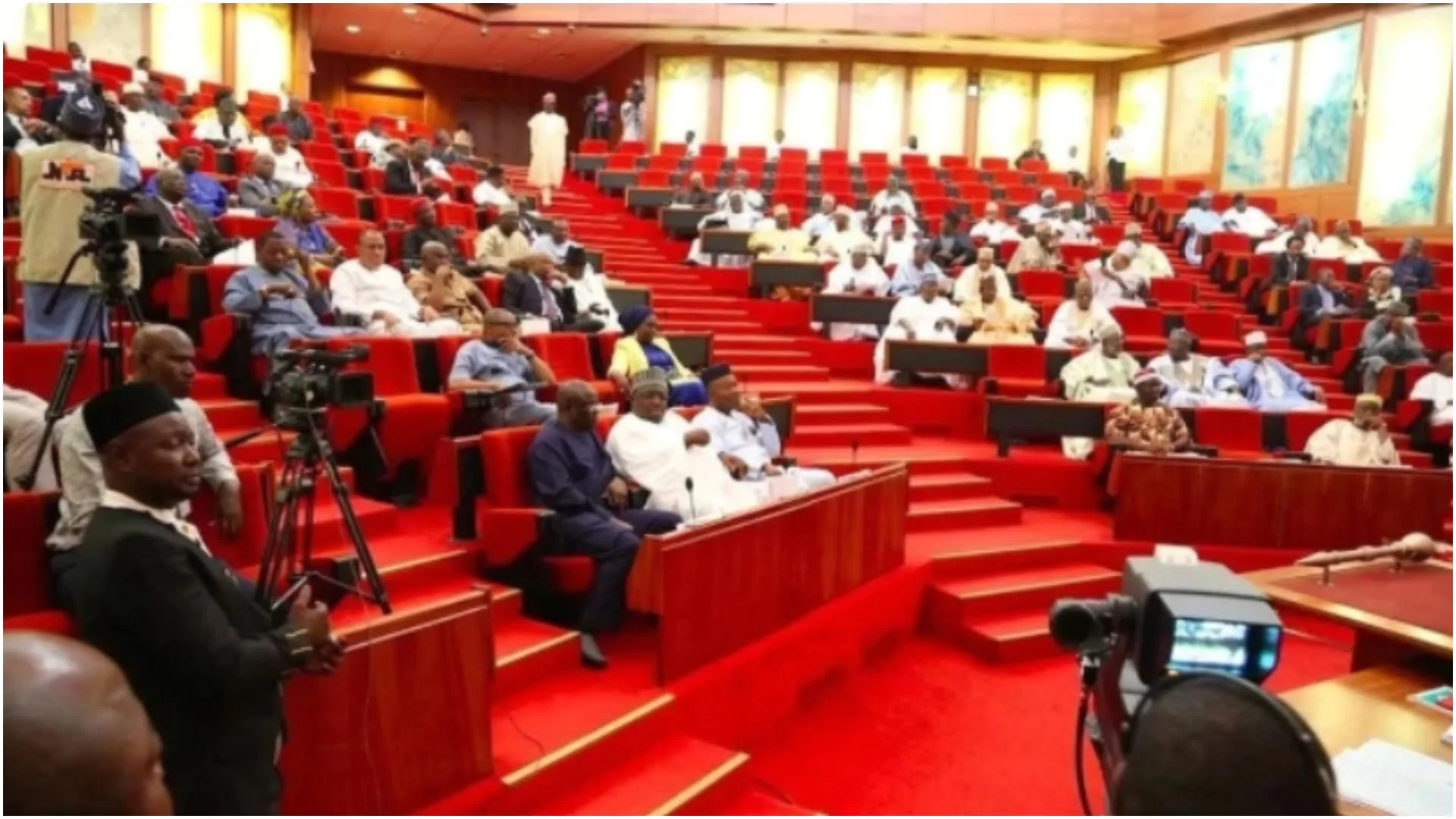
Nigerian Senate Passes Electoral Act 2026 to Enhance Election Efficiency
Assessing Nigeria's 2026 Electoral Act Amendment Bill
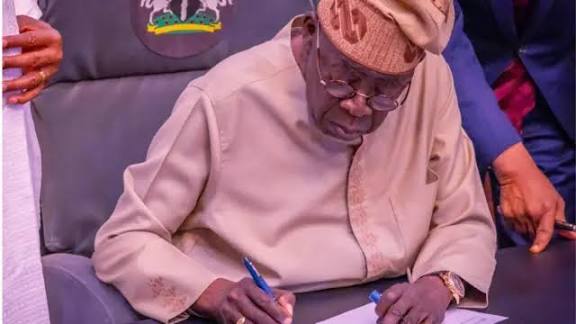
Tinubu Signs Electoral Act 2026 Amendment for Reforms
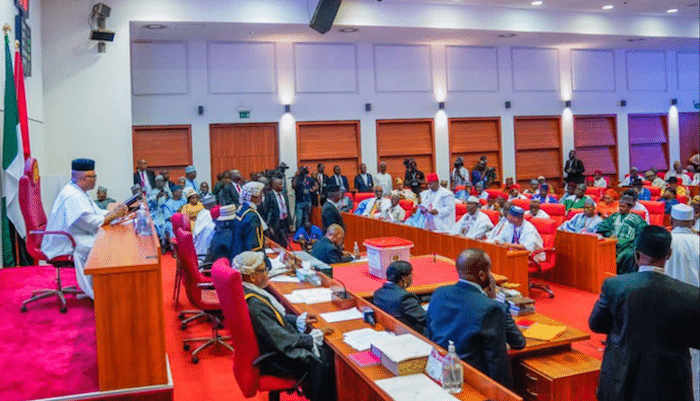
Nigerian Senate Passes Electoral Act Bill with Key Changes Ahead of 2027 Elections
Get Plus234Feed on messaging apps
Same headlines, delivered where you already scroll.


