

Aso-Ebi Economy: Nigerian Weddings as Business Ventures

The aso-ebi economy in Nigeria has evolved into a substantial business sector, particularly within the wedding industry. Aso-ebi, meaning "family cloth" in Yoruba, is traditionally worn by family members and friends at celebrations.
It has become a vital part of Nigerian wedding culture, generating an estimated ₦250 billion annually, according to a November 2025 BusinessDay opinion piece. This figure encompasses income from fabric purchases, tailoring, and embroidery, although it is an estimate rather than an official measurement.
The practice not only signifies belonging but also creates a visual identity for events, leading guests to invest in custom outfits and accessories. While this supports small businesses and celebrates culture, it can also impose financial burdens on guests, raising concerns about affordability.
The growth of Nigeria's fashion industry, exemplified by events like Lagos Fashion Week, further underscores the economic impact of weddings, which create multiple opportunities for various artisans and businesses.
Plus234Feed summary based on reporting from Uhurutimes. Read the original report below.
Read full article
Continue on Uhurutimes
Enjoy this article?
Get the weekly Nigerian roundup — top stories, NPFL, naira. One email, Sunday morning.
Related Stories
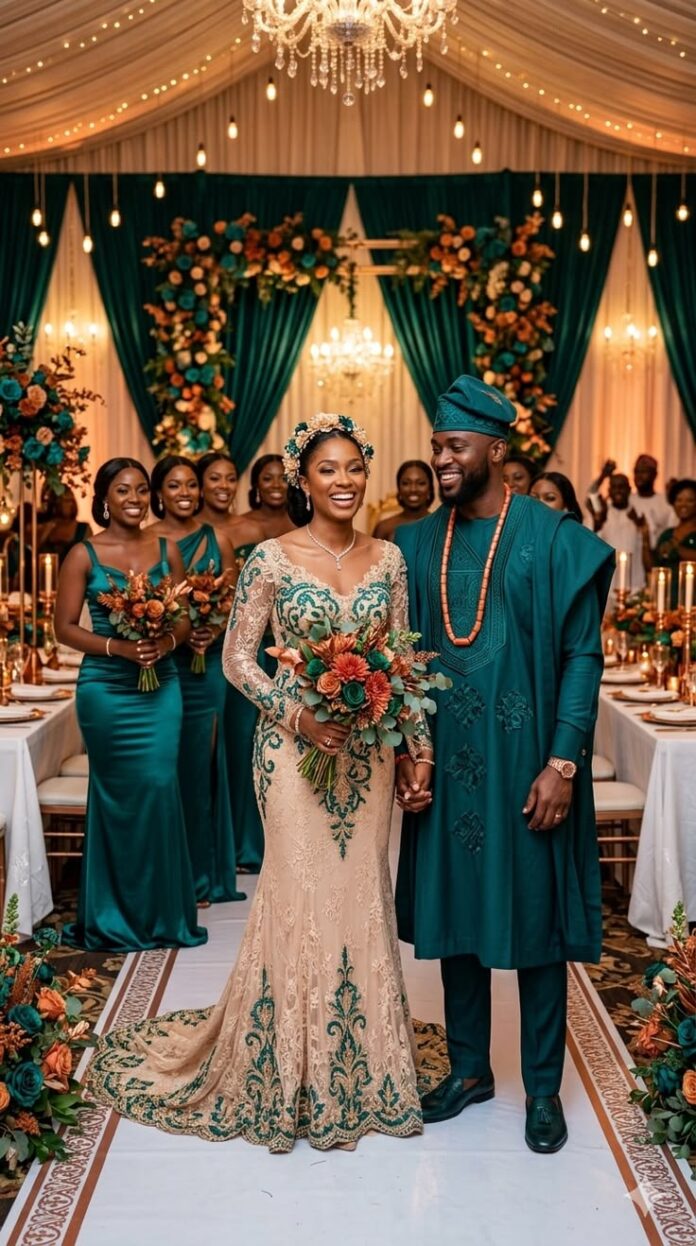
Rising Costs of Nigerian Weddings Prompt Financial Concerns

Men’s Fashion Tips for Nigerian Owanbe Celebrations
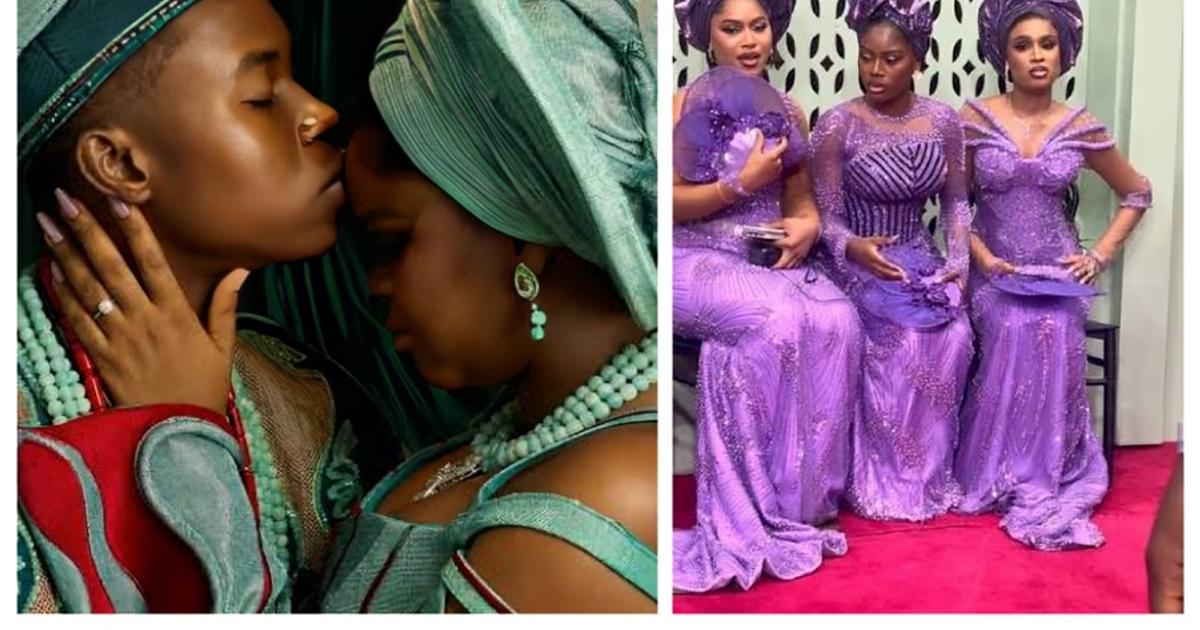
Asoebi Girl Spends ₦2.19 Million on Jarvis and Peller's Wedding
Kano State's Mass Wedding Programme Supports 1,500 Couples
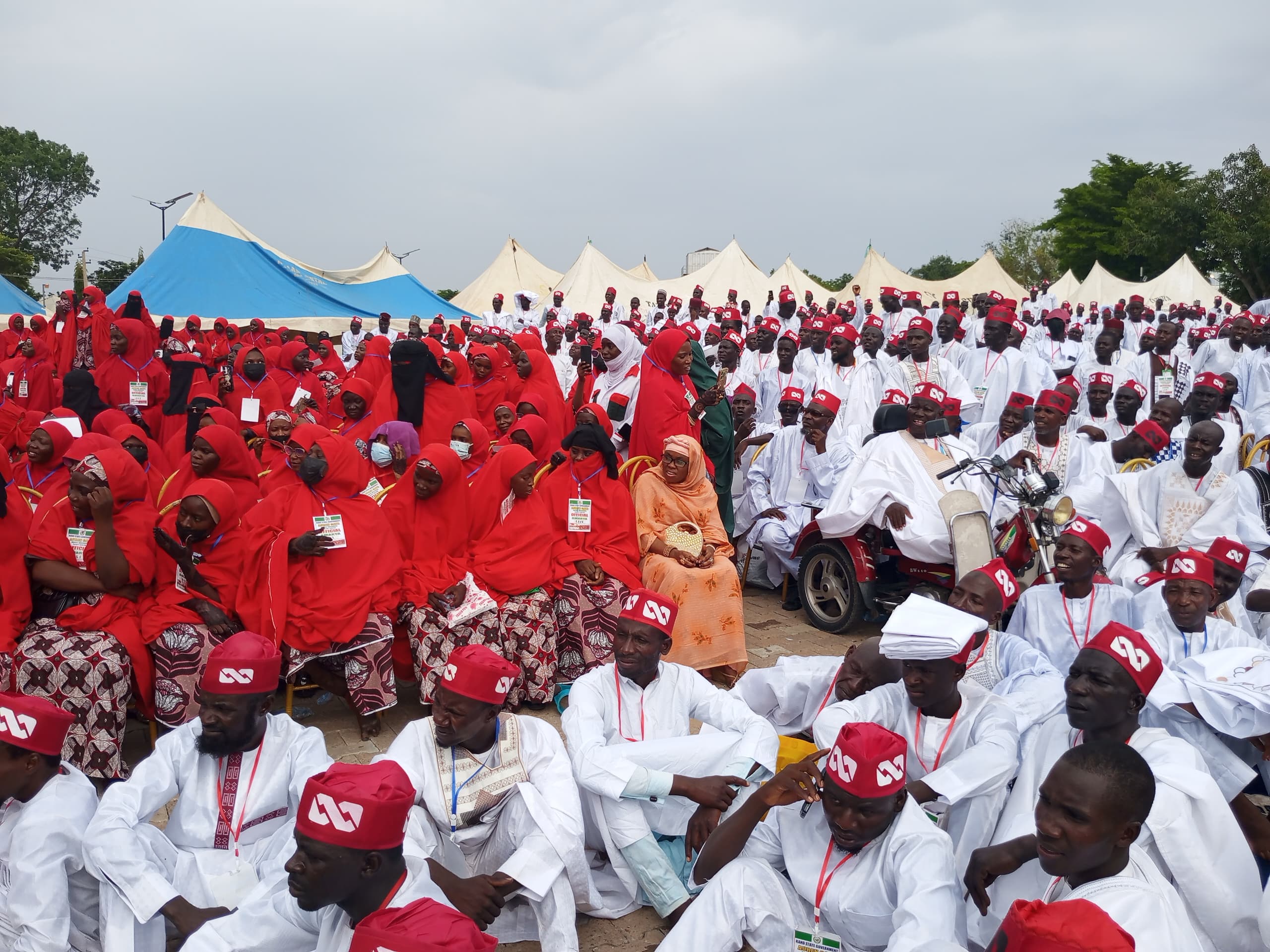
Kano State Spends N1.5bn on Mass Wedding for 1,500 Couples

Prominent Nigerians Celebrate Egukawhore Wedding in Lagos
Get Plus234Feed on messaging apps
Same headlines, delivered where you already scroll.


