

Understanding Inflation Dynamics in Nigeria's Economy

The article explores the peculiar behavior of inflation in Nigeria, drawing on the economic theories of Milton Friedman and the historical context of inflation management. It references Ronald Reagan's description of inflation as a silent eroder of wealth and discusses the role of central banks in controlling inflation through interest rate adjustments.
Friedman’s assertion that inflation occurs when the money supply grows faster than economic output is emphasized, alongside the importance of understanding the long-term relationship between money supply and price levels. The article also touches on the contemporary theories of money creation, particularly Richard Weiner's view that banks create a significant portion of the money supply through credit.
This perspective challenges traditional views of central banks as the sole creators of money, highlighting the complexities of inflation and monetary policy in Nigeria's economy.
Plus234Feed summary based on reporting from Premium Times. Read the original report below.
Read full article
Continue on Premium Times
Get the week in one email
Top stories, NPFL results, the naira — every Friday morning. Free, one email a week.
Related Stories
Naira Valuation: IMF Calls for Economic Reforms in Nigeria
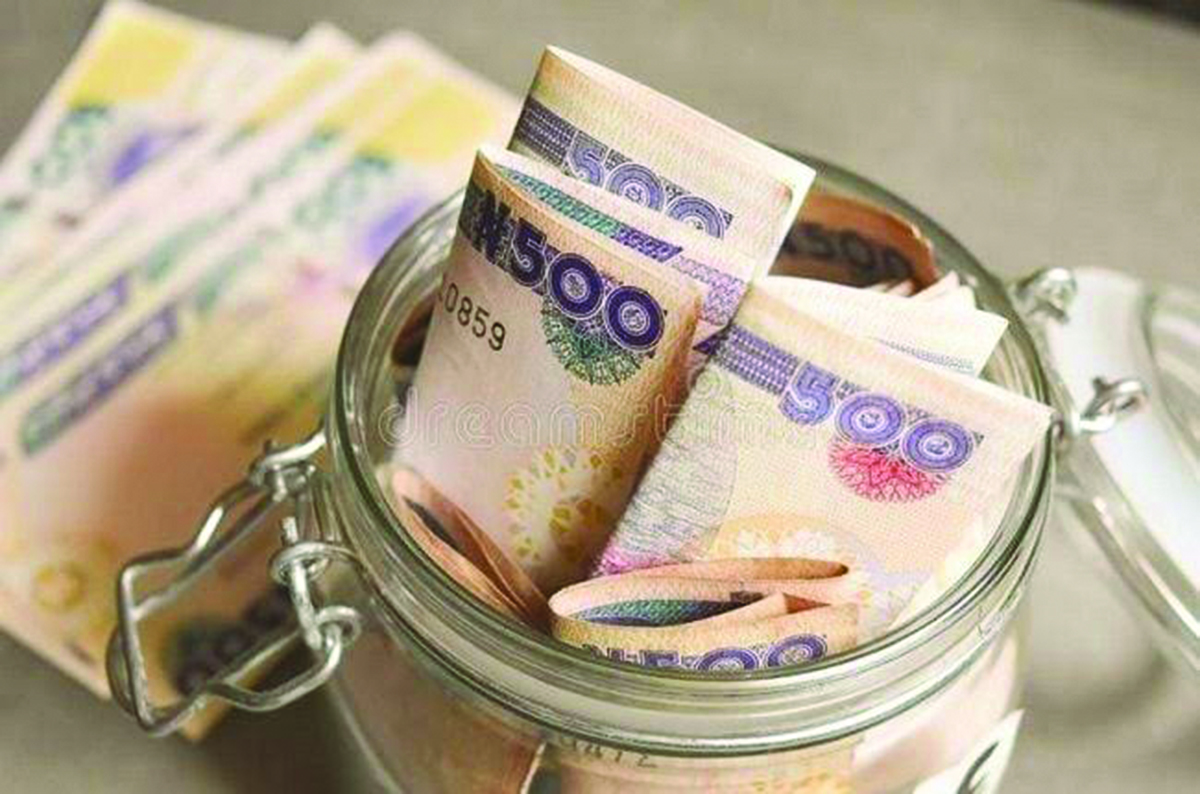
Thrift Savings Schemes: Navigating Inflation in Nigeria
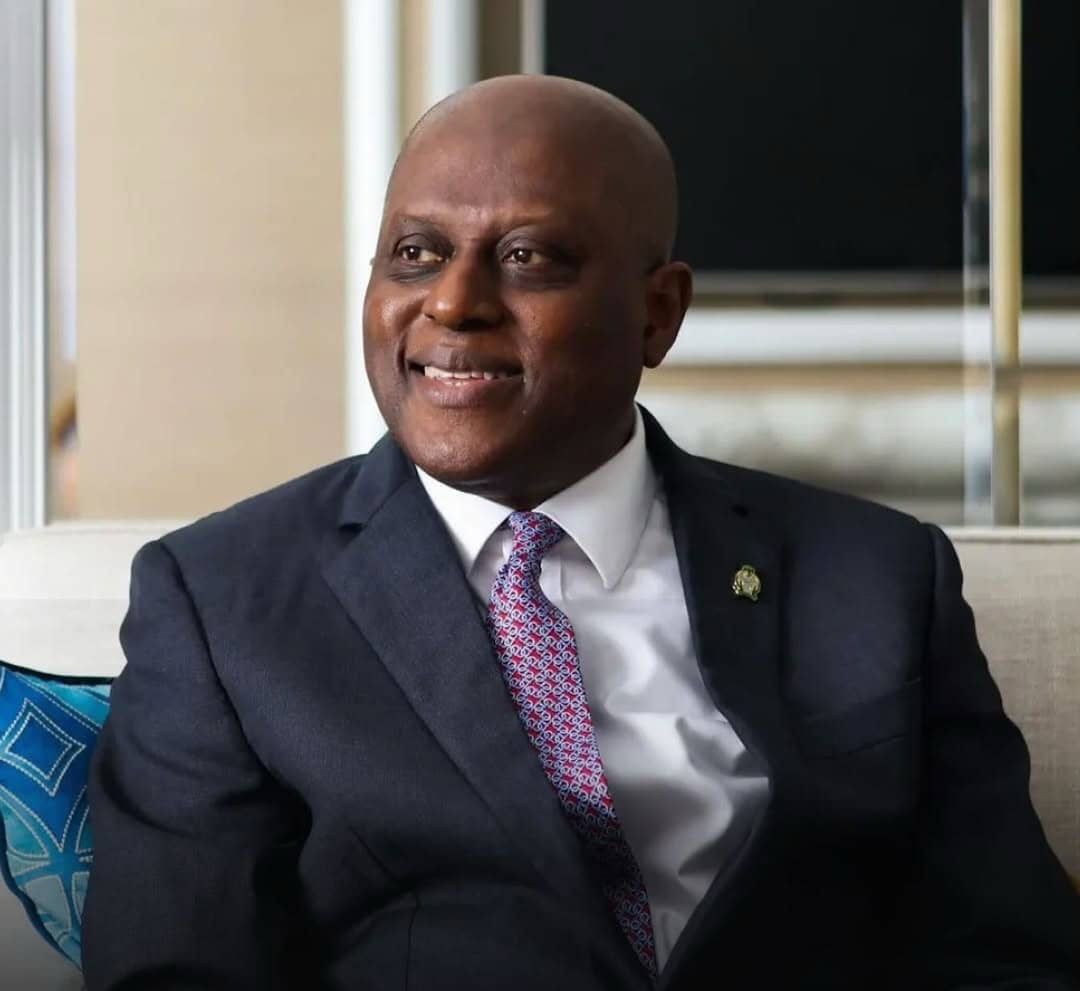
Nigeria's Inflation Hits 15.69% Amid Economic Challenges

Experts Warn of Persistent Inflation Despite Oil Price Drop

Economists Predict April Inflation in Nigeria to Hit 16%
Nigeria's Inflation Hits 15.93% in May 2026
Get Plus234Feed on messaging apps
Same headlines, delivered where you already scroll.


