

Senate's Opposition to Electronic Voting Undermines Democracy

The article critiques the Nigerian Senate's stance against electronic transmission of election results, emphasizing the resulting trust deficit between citizens and politicians. It recalls Madeleine Albright's visit to Nigeria shortly after its return to democracy in 1999, where she stressed the importance of delivering democratic dividends and instituting reforms to curb corruption.
The article notes that Nigeria's electoral process is marred by fraud and malpractice, with a lack of intra-party democracy affecting candidate selection. It highlights the Senate's public opposition to electronic transmission, which is seen as a hindrance to electoral integrity.
The Supreme Court's ruling on the 2018 amendment bill and the provisions of the Electoral Act 2015 are discussed, indicating that while electronic transmission was introduced, it is not mandatory. The article concludes that the failure to adopt electronic transmission reflects a broader issue of politicians acting against the interests of the populace, undermining the democratic process.
Plus234Feed summary based on reporting from This Day. Read the original report below.
Read full article
Continue on This Day
Get the week in one email
Top stories, NPFL results, the naira — every Friday morning. Free, one email a week.
Related Stories
Senate Makes Electronic Result Transmission Discretionary
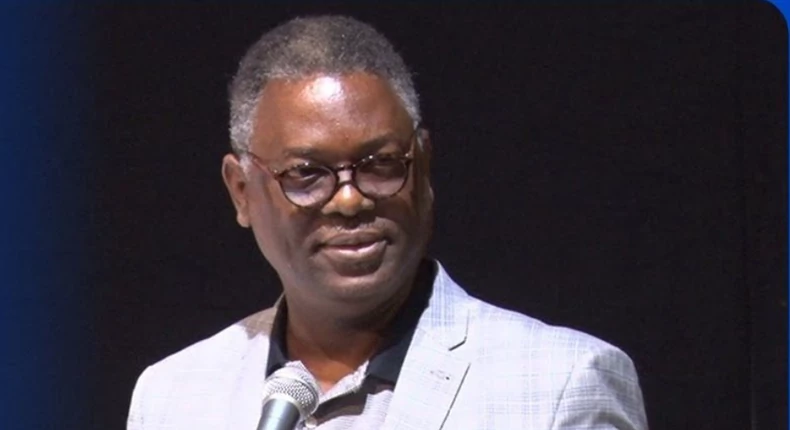
Osuntokun Criticizes Nigerian Senate's Rejection of E-Transmission as Threat to Democracy
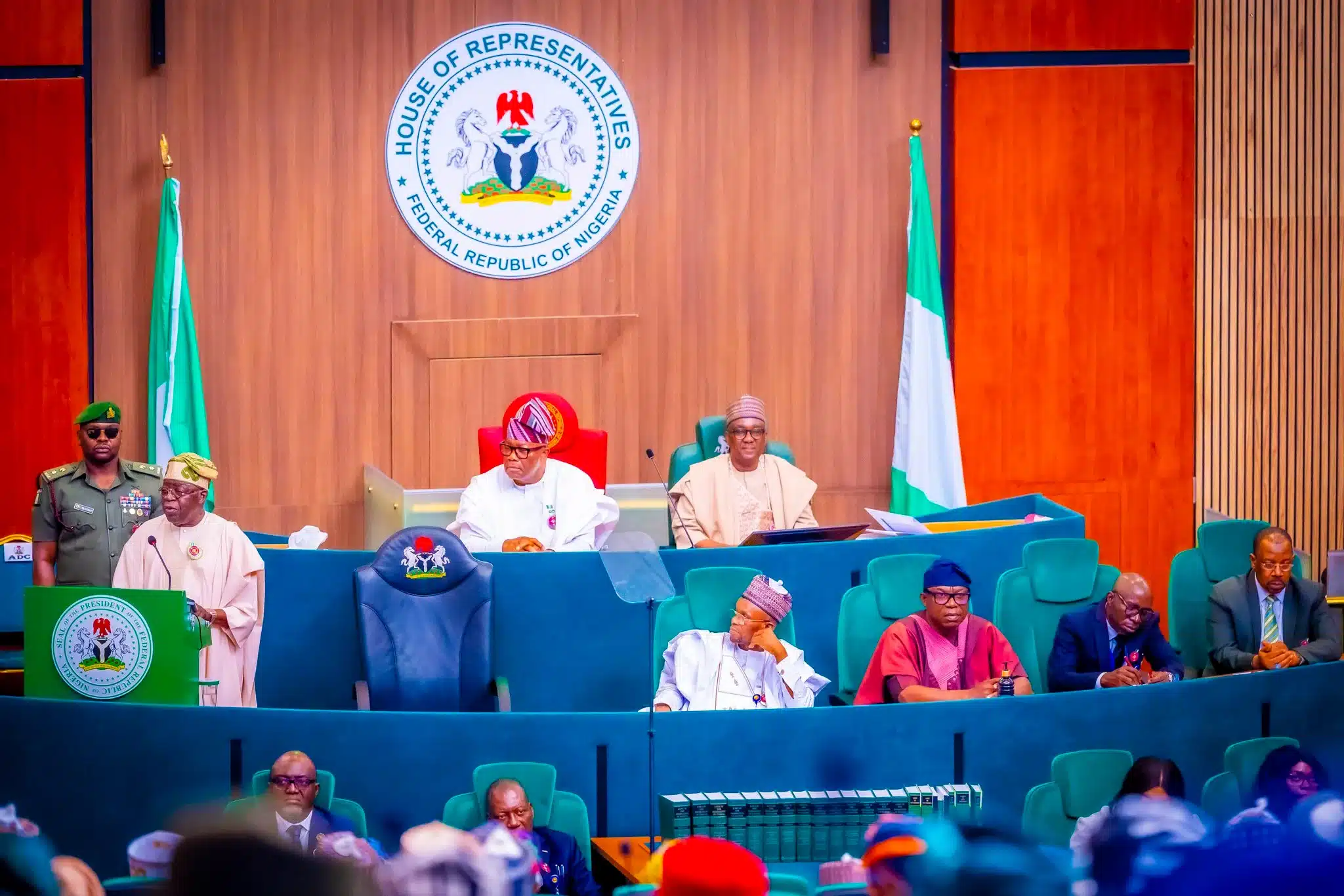
Nigerian Senators Divided Over Electronic Transmission of Election Results Sparking Controversy
African Democrat Congress Condemns Nigerian Senate's Rejection of Electronic Transmission of Election Results

Senate's E-Transmission Remarks Threaten Nigeria's Democracy
Nigerian Senate Reverses Decision on Electronic Transmission of Election Results, Sparks Controversy
Get Plus234Feed on messaging apps
Same headlines, delivered where you already scroll.


