

Nigeria's Sickle Cell Disease Crisis: Urgent Action Needed

Nigeria carries the heaviest burden of sickle cell disease globally, with 1.5 million children under 15 living with the condition, particularly affecting infants. Despite previous research initiatives from institutions like the University of Benin and the University of Lagos, there has been insufficient progress in developing scalable treatments or receiving sustained investment.
Families endure frequent hospital visits and high medical costs, which take an emotional toll. Preventative measures, such as genetic screening and counseling, are underutilized due to cultural beliefs and social pressures.
The government must prioritize newborn screening, expand access to treatment, and enhance public education on genetic health. A coordinated approach involving federal and state governments, alongside the private sector, is essential to reduce costs and improve healthcare access.
The article emphasizes the need for a structural shift in Nigeria’s response to sickle cell disease, moving beyond rhetoric to implement sustainable actions.
Plus234Feed summary based on reporting from Blueprint. Read the original report below.
Read full article
Continue on Blueprint
Get the week in one email
Top stories, NPFL results, the naira — every Friday morning. Free, one email a week.
Related Stories
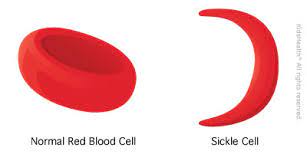
Nigeria Leads Global Sickle Cell Disease Cases in Children
Advancements in Sickle Cell Disease Treatment in Africa
Advancements in Sickle Cell Disease Treatment in Africa
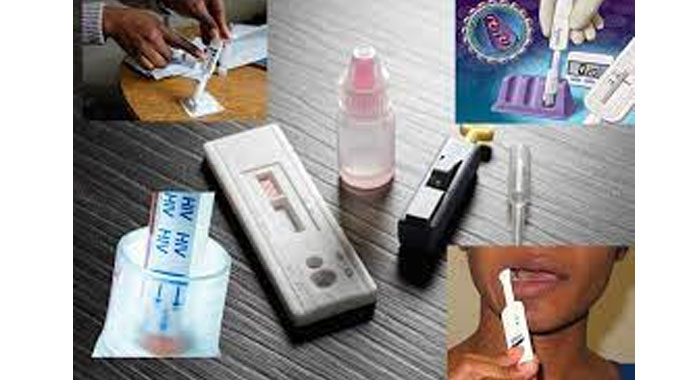
Thousands of Nigerian Children Undiagnosed with HIV
Nigeria's Haemophilia Crisis: Awareness and Diagnosis Needed
Over 440,000 Nigerian Children Treated for Malnutrition
Get Plus234Feed on messaging apps
Same headlines, delivered where you already scroll.


