

Nigeria Faces Rising Borrowing Costs Amid Hormuz Tensions

The UNCTAD report warns that external borrowing costs for Nigeria and other developing countries are rising amid disruptions in the Strait of Hormuz, a critical maritime chokepoint for global oil trade. The report notes that Nigeria's economic management team has assessed the impact of the ongoing conflict in the Middle East, identifying three immediate channels through which the crisis affects Nigeria's economy: volatility in crude oil and gas prices, capital flow disruptions, and increased logistics costs.
The report highlights that Nigeria's borrowing costs have risen, with the African region recording a 0.64% increase in sovereign bond yields since the onset of the war. Additionally, Nigeria is projected to spend $5.21 billion servicing external debt obligations in 2025, which constitutes 72% of the country's total international payments for that year.
The report emphasizes that rising borrowing costs and fiscal constraints hinder development goals, exacerbated by geopolitical tensions that disrupt supply chains.
Plus234Feed summary based on reporting from This Day. Read the original report below.
Read full article
Continue on This Day
Get the week in one email
Top stories, NPFL results, the naira — every Friday morning. Free, one email a week.
Related Stories

Nigeria's $6bn Borrowing Raises Fiscal Prudence Concerns
Nigeria Faces Rising Debt Risks Amid Fiscal Pressures
Nigeria's Bilateral Debt Rises by $634M in 2025
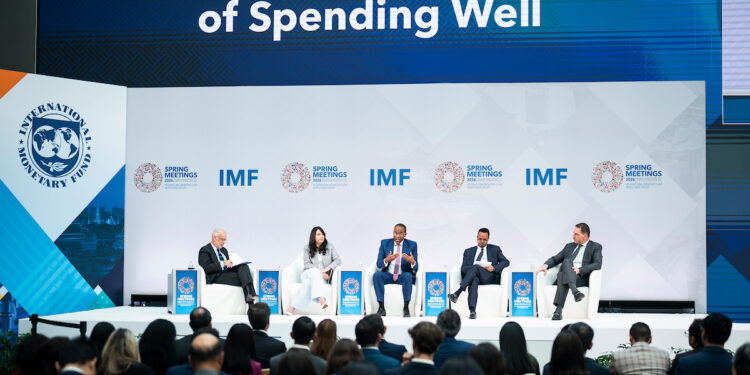
IMF Declines to Favor Nigeria's Borrowing Options

G-24 Director Explains High Borrowing Costs for Nigeria

Nigeria's Borrowing Costs Drop as Fixed-Income Yields Fall
Get Plus234Feed on messaging apps
Same headlines, delivered where you already scroll.


