

World Bank Reports Naira's Resilience Amid Economic Pressures

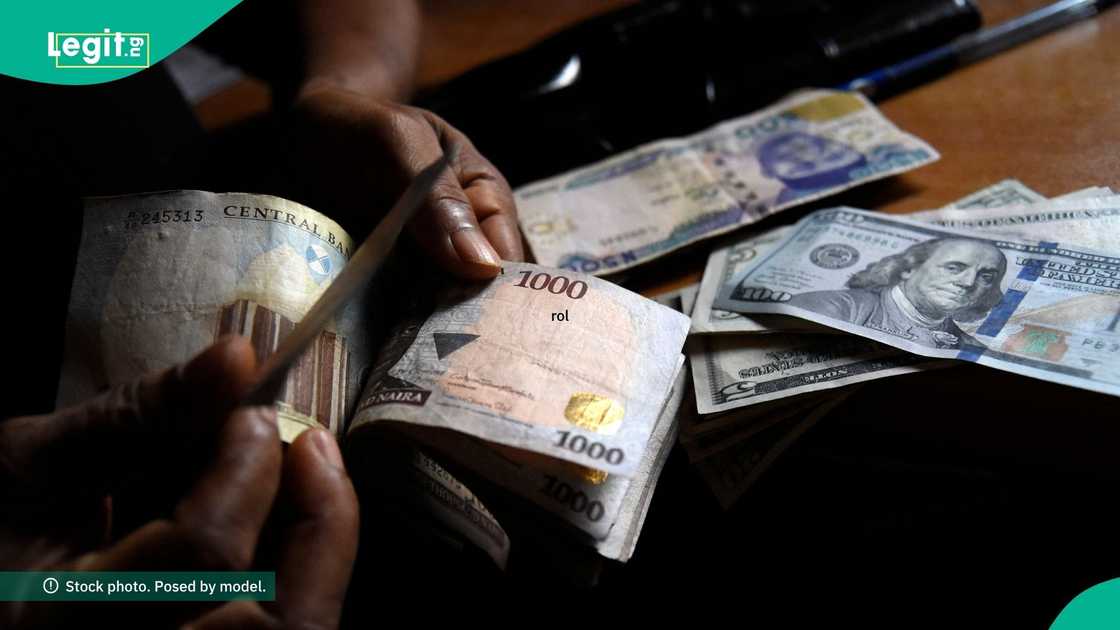
According to the World Bank's October 2026 “Africa Economic Update,” the naira was one of the more resilient currencies in Africa during the second quarter of 2026, experiencing a maximum depreciation of 2.6% from March to June. This decline was significantly less than that of other currencies, such as Ghana’s cedi, which fell by 10%.
Other currencies, including those of South Africa, Lesotho, Namibia, and Eswatini, saw declines of up to 7.2%. By August, the naira had improved by 1.9% from its lows, outperforming several regional peers.
The World Bank attributed the naira's resilience to Nigeria's status as a major crude oil exporter, which bolstered export earnings and foreign exchange inflows. The report also noted that only 10 of the 22 currencies tracked remained weaker than their end-February positions by August.
The World Bank raised Nigeria's 2026 growth forecast to 4.3%, citing macroeconomic stability and stronger investor confidence, although it warned of risks such as global financial conditions and climate-related shocks.
Plus234Feed summary based on reporting from Punch Newspapers. Read the original report below.
Read full article
Continue on Punch Newspapers
Get the week in one email
Top stories, NPFL results, the naira — every Friday morning. Free, one email a week.
Related Stories
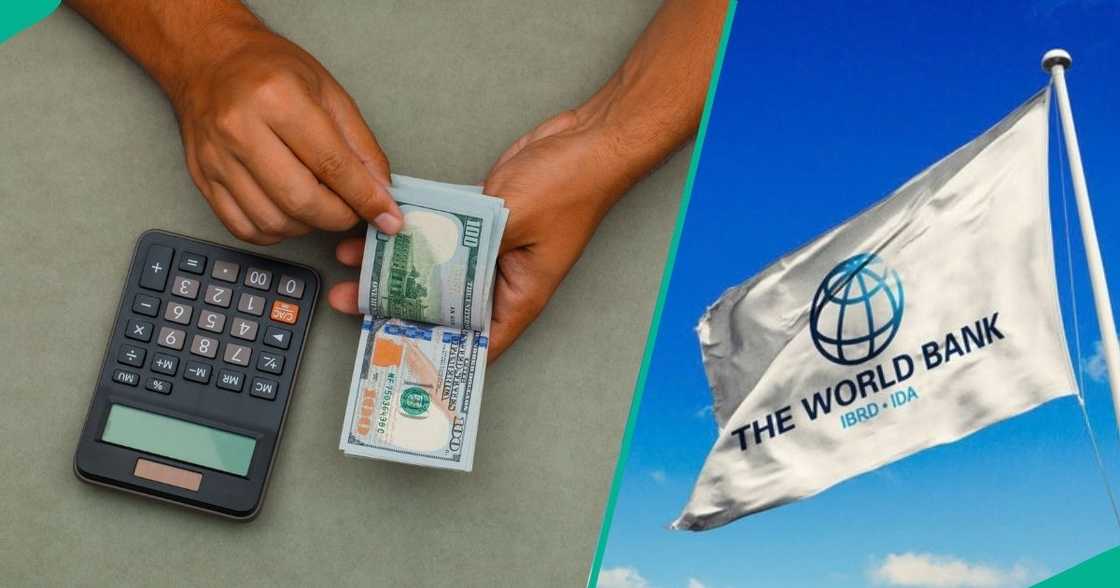
World Bank Reports 2.6% Naira Depreciation Amid Conflict
Naira Gains Ground Against Dollar as Reserves Rise

Naira Strengthens as CBN Reserves Reach $54 Billion
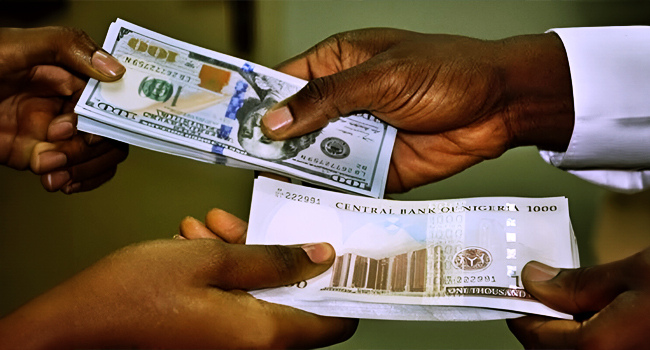
Naira Strengthens as US Dollar Index Hits 5-Month Low
Nigeria's Reserves Surge to $54.86 Billion in 2026
Naira Gains Against Major Currencies on September 2, 2026
Get Plus234Feed on messaging apps
Same headlines, delivered where you already scroll.


