

Weak Institutions Drive Political Instability in Nigeria

During the 45th inaugural lecture at the Felele campus of the Federal University Lokoja on Wednesday, Professor Abdulrahman Ochi Suberu, a Professor of History and International Studies, discussed the persistent illegalities in Nigeria’s political space. He identified weak institutions, political interference, and internal party failures as major contributors to political instability.
Professor Suberu noted that despite Nigeria's comprehensive constitutional framework, enforcement deficiencies hinder democratic governance. He stated that the existence of laws is inadequate without consistent enforcement, leading political actors to violate rules.
He criticized political parties for their role in democratic decline, citing candidate imposition and lack of internal democracy. He acknowledged the judiciary's role in electoral disputes but raised concerns about corruption and political pressure.
He warned that security agencies' perceived partisanship could undermine electoral credibility. To address these issues, he called for a renewed commitment to constitutional supremacy and institutional independence through merit-based appointments and adequate funding.
Plus234Feed summary based on reporting from Blueprint. Read the original report below.
Read full article
Continue on Blueprint
Get the week in one email
Top stories, NPFL results, the naira — every Friday morning. Free, one email a week.
Related Stories
Weak Opposition and Candidate Imposition Threaten Democracy
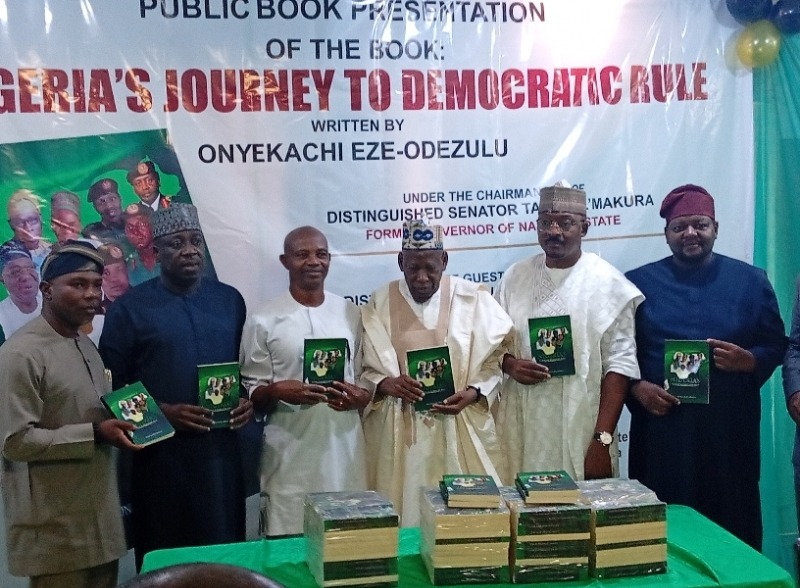
Ganduje: Lack of Ideology Weakens Nigeria's Democracy

Party Leaders Call for Internal Democracy Ahead of 2027 Elections
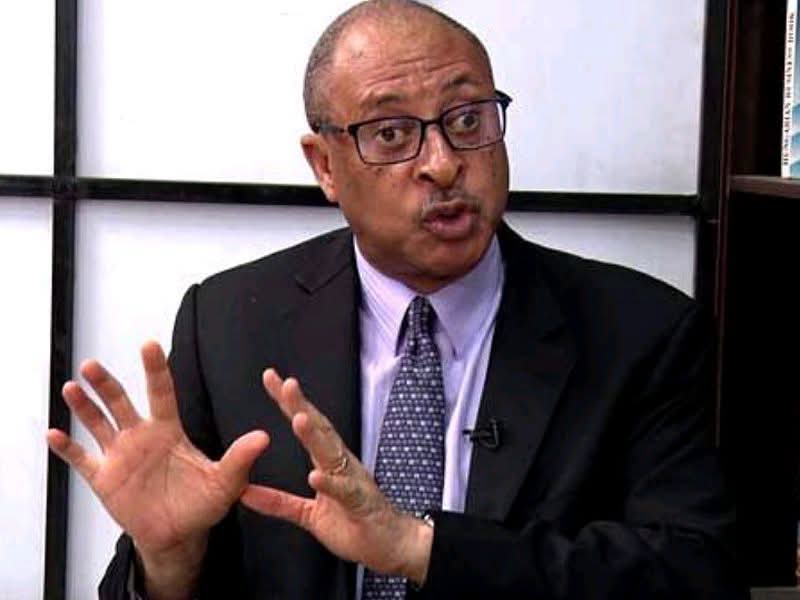
Pat Utomi Urges Restoration of Democracy to Save Nigeria
Nigeria Faces Communal Instability Over Security Issues
IRI Warns of Insecurity Threatening Nigeria's 2027 Elections
Get Plus234Feed on messaging apps
Same headlines, delivered where you already scroll.


