

Obi and Kwankwaso Resign from ADC, Impacting Nigeria's Politics

Peter Obi and Rabiu Musa Kwankwaso's resignation from the African Democratic Congress (ADC) has raised critical questions about the state of Nigeria's democracy. Their departure is set against a backdrop of recent Supreme Court rulings that have intensified internal party disputes.
This situation highlights the fragility of political institutions in Nigeria, where the legitimacy of parties is increasingly questioned. The ADC, already facing factional disputes, is in a precarious position as it navigates primary elections under the leadership of Nafiu Gomb and David Mark.
The involvement of the Attorney General, Lateef Fagbemi, seeking the dissolution of the ADC in court further complicates the political landscape, suggesting that legal maneuvers are becoming a common strategy in political competition. The resignations of Obi and Kwankwaso indicate a significant shift in the political dynamics, emphasizing the need for transparency and fairness in Nigeria's electoral processes as the country approaches the 2027 general elections.
Plus234Feed summary based on reporting from This Day. Read the original report below.
Read full article
Continue on This Day
Get the week in one email
Top stories, NPFL results, the naira — every Friday morning. Free, one email a week.
Related Stories
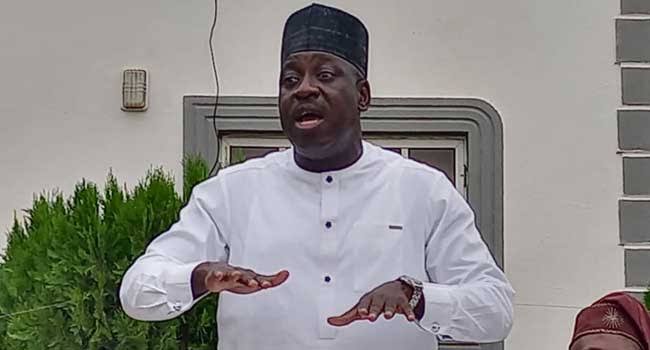
ADC Responds to Obi and Kwankwaso's Departures
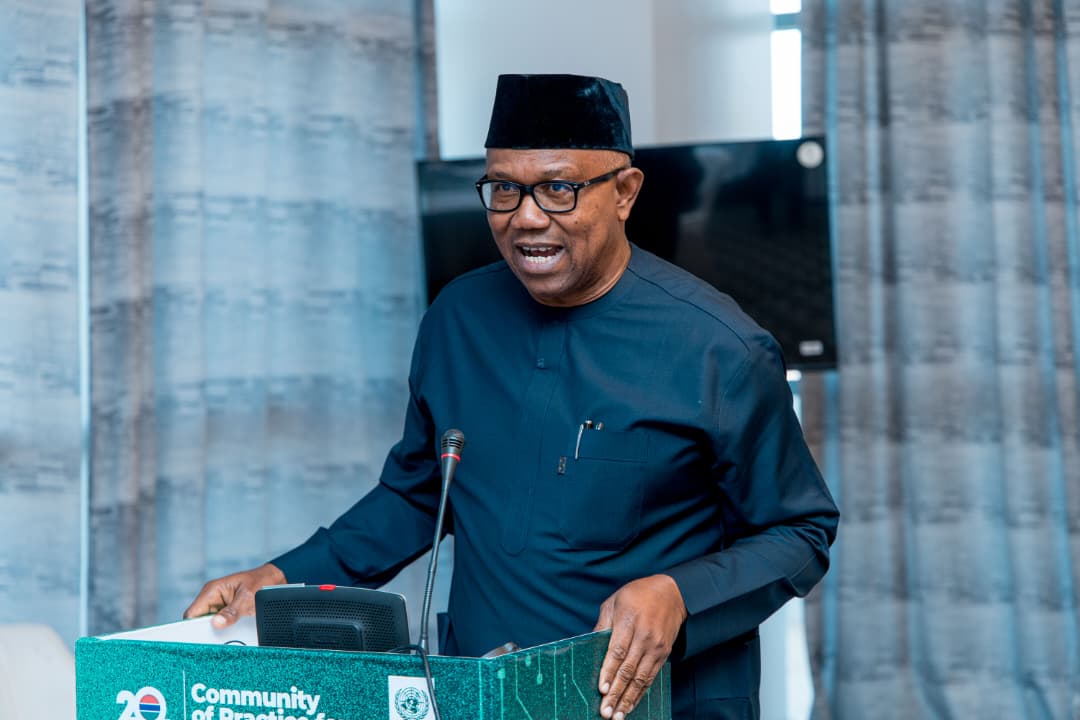
Peter Obi Leaves ADC Citing Political Crises
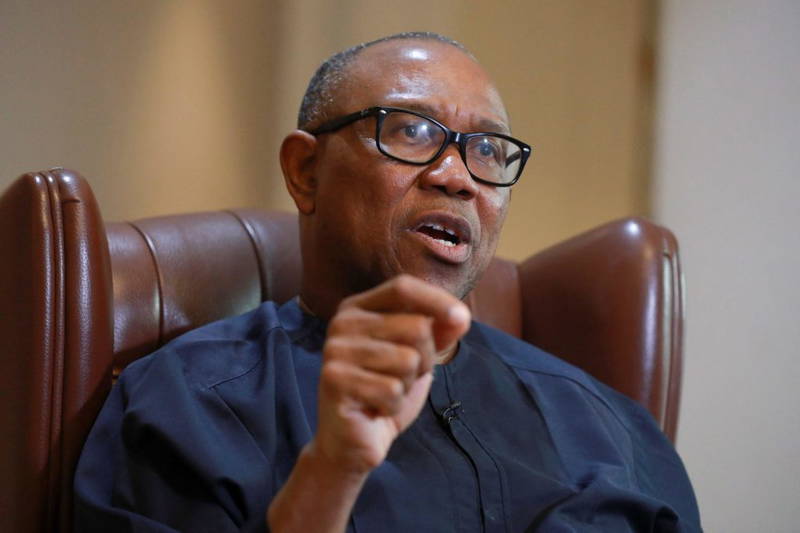
Peter Obi Leaves ADC, Calls for Unity in Nigeria's Politics
Reactions to Peter Obi's Exit from ADC Ahead of 2027
Peter Obi Leaves ADC, Eyes Alliance for 2027 Elections
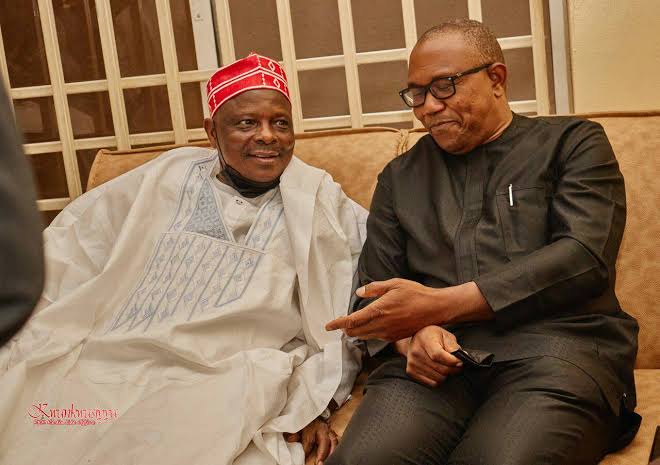
Peter Obi Welcomes Kwankwaso's Move to ADC for Unity
Get Plus234Feed on messaging apps
Same headlines, delivered where you already scroll.


