

Rising Fertilizer Prices Threaten Nigeria's Agriculture

The article examines the repercussions of U.S.-Iran conflicts on fertilizer prices in Nigeria, particularly in Ogun State. As tensions escalated in late February, global market dynamics shifted, leading to a significant rise in fertilizer costs, which surged by approximately 40% in January.
This price spike poses a severe threat to Nigeria's agricultural sector, where about 70% of the workforce operates on smallholdings with limited financial buffers. Farmers in regions like Osun, Kano, and Benue are now facing critical decisions regarding input costs as they prepare for the planting season.
The article notes that the price of urea, a crucial fertilizer, is influenced by disruptions in natural gas supplies, particularly from Qatar, which has the world's largest urea facility. The rising costs are expected to impact food prices significantly, with inflation rates already showing a decline to 8.89% in January, the first single-digit figure in a decade.
The overall economic implications for households and the agricultural market are profound, as farmers struggle to cope with these rising costs.
Plus234Feed summary based on reporting from This Day. Read the original report below.
Read full article
Continue on This Day
Get the week in one email
Top stories, NPFL results, the naira — every Friday morning. Free, one email a week.
Related Stories
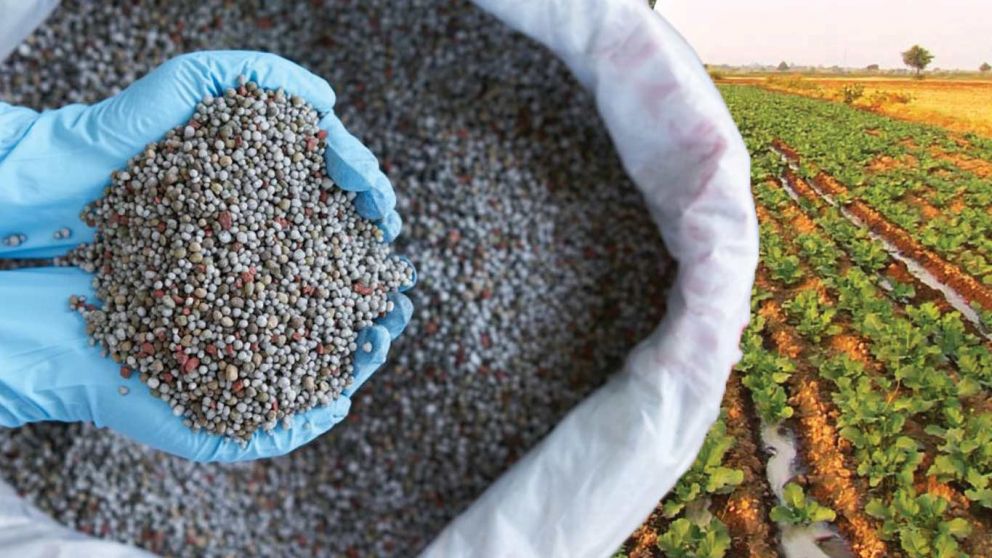
U.S. Farmers Struggle as Fertilizer Prices Soar Amid Conflict
Nigeria Faces Food Security Risks Amid Iran Conflict
Iran Conflict Drives Inflation and Oil Prices in Nigeria
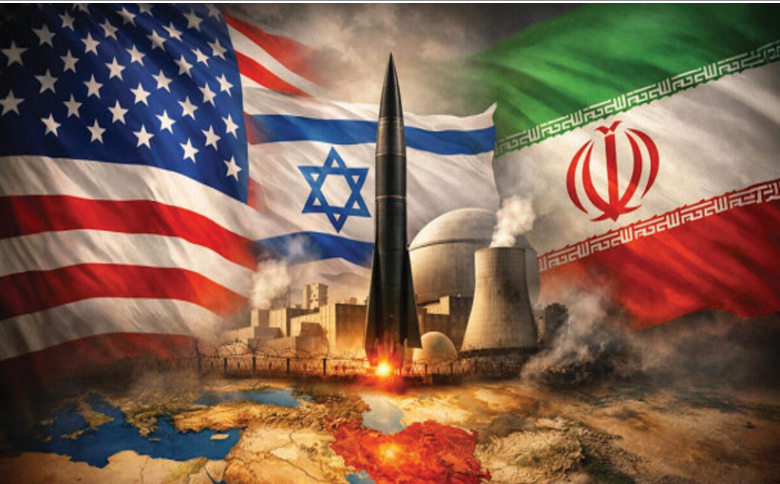
Israel-Iran Conflict Triggers Economic Strain in Nigeria

Dangote Fertiliser Demand Surges Amid US-Iran Conflict
Oil Prices Drop as Trump Halts Strikes on Iran
Get Plus234Feed on messaging apps
Same headlines, delivered where you already scroll.


