

What’s in Your Food?

Since 2019, Nigerians have been consuming genetically modified beans without public discourse, labeling, or transparency, sparking widespread concern. The introduction of GMOs into Nigeria's food supply has raised questions about informed consent and the right to know what one is eating.
The country, with a population of 200 million, has long struggled with food insecurity, making GMOs seem like a potential solution. However, the approval of genetically modified beans, engineered to resist pests, has faced resistance from civil society groups and environmentalists due to concerns about insufficient testing, lack of transparency, and potential ecological risks.
The lack of labeling and traceability of GM beans also raises cultural and religious concerns in the deeply religious Nigerian society. The controversy surrounding GMO regulation in Nigeria highlights the complex intersection of science, ethics, corporate power, sovereignty, and consumer choice in the country's food system.
Plus234Feed summary based on reporting from This Day. Read the original report below.
Read full article
Continue on This Day
Get the week in one email
Top stories, NPFL results, the naira — every Friday morning. Free, one email a week.
Related Stories
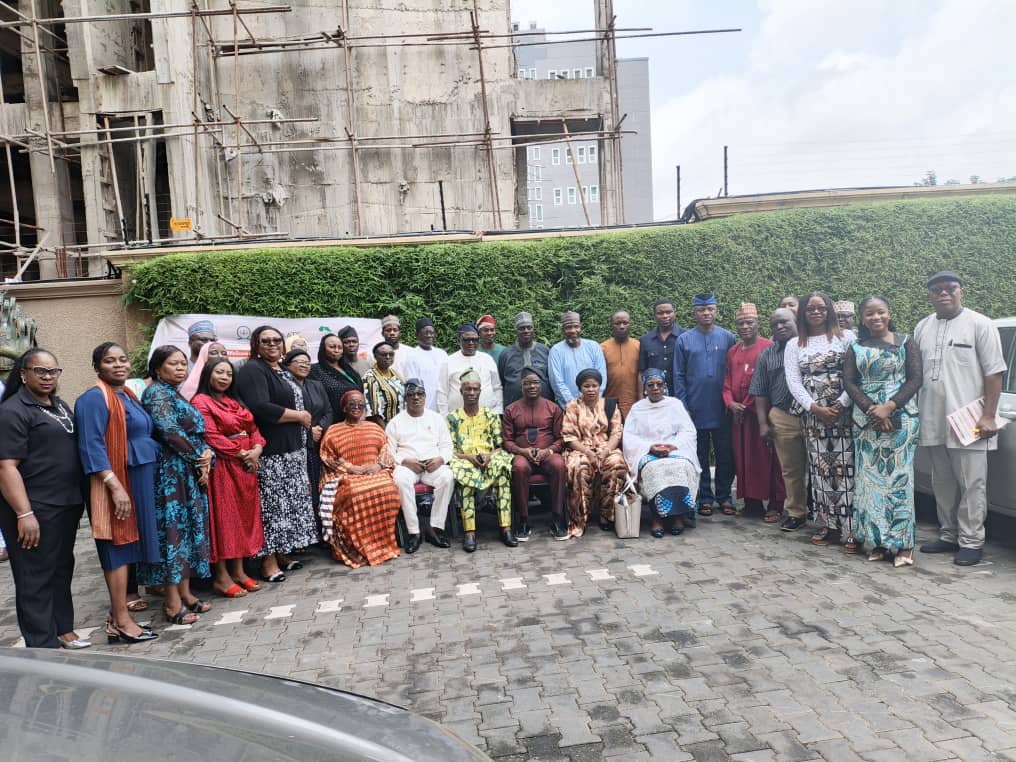
FG Ensures GMO Accountability in Nigeria Workshop
NBRDA Director General Affirms Safety of GMOs in Nigeria, Promotes Biotechnology Engagement
Nigerian Cashew Association Denies Endorsing GMOs in Roadmap
Kano Farmers and CSOs Push for Ban on GMOs and Pesticides - Advocate for Agroecology
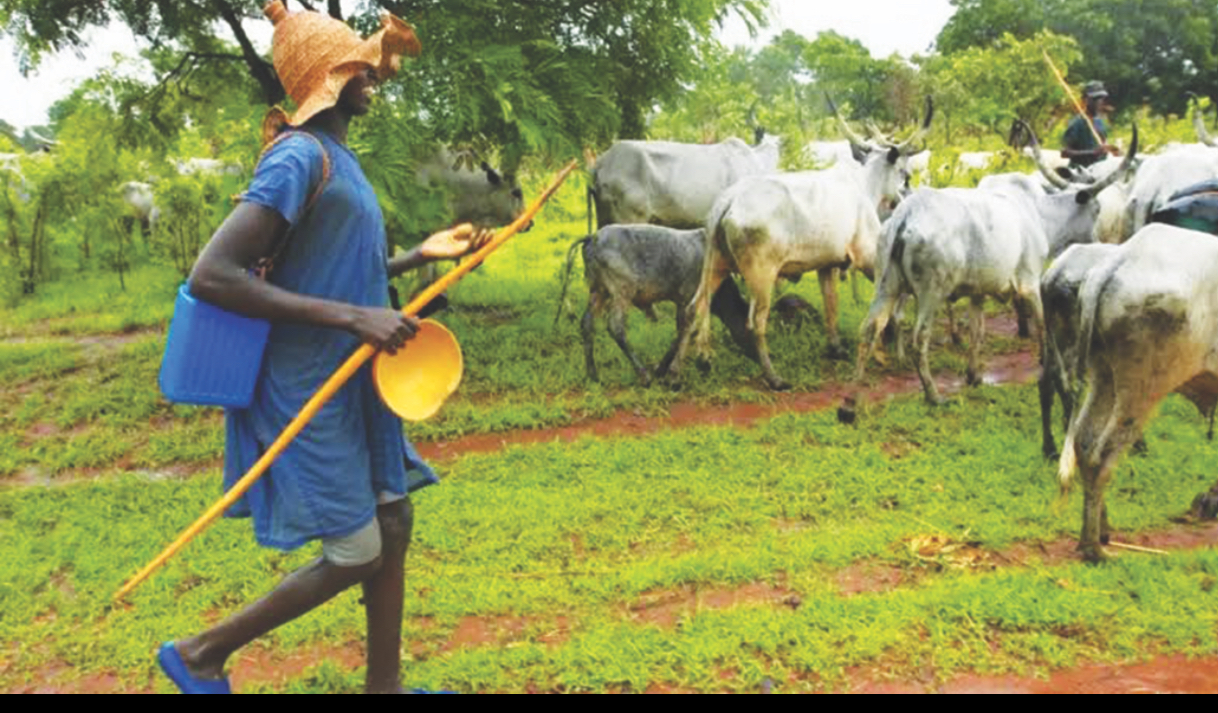
The Siege on Nigeria’s Food Baskets

Toxic Pesticides in Nigerian Farming Raise Health Concerns - Report Reveals
Get Plus234Feed on messaging apps
Same headlines, delivered where you already scroll.


