

WHO Introduces Expanded Contraceptive Options for All

The World Health Organization (WHO) has recommended an expanded range of contraceptive options, including emergency contraception and longer-lasting implants, to improve informed reproductive choices worldwide. This initiative responds to the estimated 164 million women seeking to delay or avoid pregnancy who are not currently using contraception.
The new publication, titled "WHO guidelines on expanding contraceptive options," aims to help countries increase access to contraceptive methods supported by scientific evidence. Key recommendations include allowing combined oral contraceptive pills to be taken continuously for up to one year and supporting the use of contraceptive implants for up to five years.
WHO also recommends mifepristone as an emergency contraception option, to be taken within five days after unprotected sex. Dr Pascale Allotey, Director of WHO's Department of Sexual, Reproductive, Maternal, Child and Adolescent Health and Ageing, emphasized that contraceptive choices should be tailored to individual needs.
The guidelines also indicate the need for further research on male contraceptive methods, as current options are limited.
Plus234Feed summary based on reporting from Punch Newspapers. Read the original report below.
Read full article
Continue on Punch Newspapers
Get the week in one email
Top stories, NPFL results, the naira — every Friday morning. Free, one email a week.
Related Stories
WHO Advocates for Expanded Contraceptive Choices in Nigeria

WHO Endorses Mifepristone for Emergency Contraception

Edo State Women Empowered in Family Planning Choices

Family Planning: Relevant for All Relationship Statuses
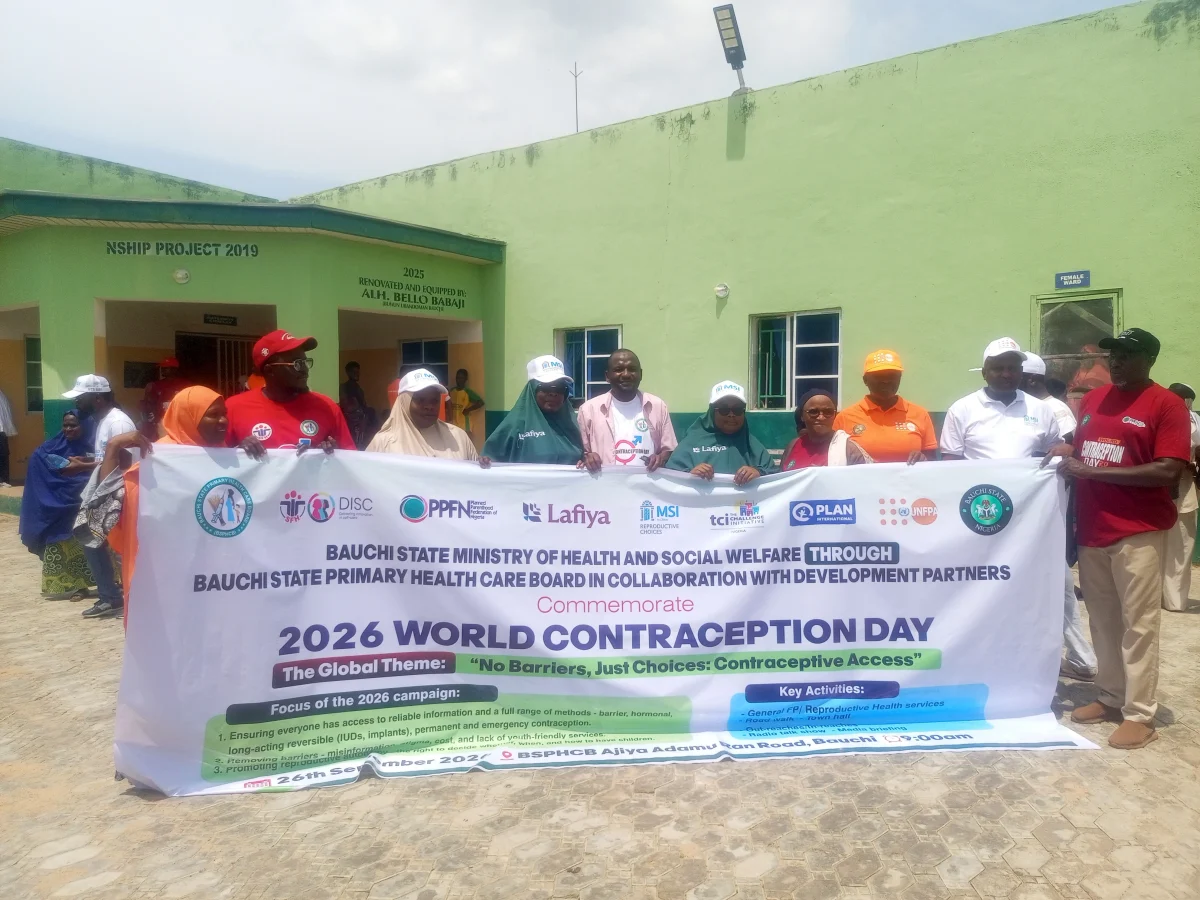
Bauchi Healthcare Chief Reports High Unplanned Pregnancies

Nigeria Expands HIV Prevention with New Options
Get Plus234Feed on messaging apps
Same headlines, delivered where you already scroll.


