
Nigeria's Economic Struggles: 133 Million in Poverty
Nigeria, with a population exceeding 200 million, is endowed with vast human and natural resources but struggles with poverty, inadequate public services, and persistent insecurity. The National Bureau of Statistics reported that 133 million Nigerians, approximately 63 percent of those surveyed in 2022, were multidimensionally poor.
The article highlights the accumulation of public debt, rising taxes, and the repeated calls for citizens to sacrifice for future prosperity, which often seems unattainable. It examines the influence of an economic doctrine advocating that market forces and private ownership yield greater efficiency than government management.
This philosophy, associated with thinkers like Friedrich Hayek and Milton Friedman, gained traction through the reforms of leaders such as Margaret Thatcher and Ronald Reagan, impacting structural adjustment programs and privatization efforts. The article warns that prolonged economic exclusion and declining institutional trust could threaten social cohesion in Nigeria.
Plus234Feed summary based on reporting from This Day. Read the original report below.
Read full article
Continue on This Day
Get the week in one email
Top stories, NPFL results, the naira, every Friday morning. Free, one email a week.
Related Stories

Nigeria's 2027 Elections: Parties Address Poverty Issues
Nigeria's Poverty Rate Surges by 17.9 Million in 2024
IMF Urges Nigeria to Address High Poverty Amid Growth
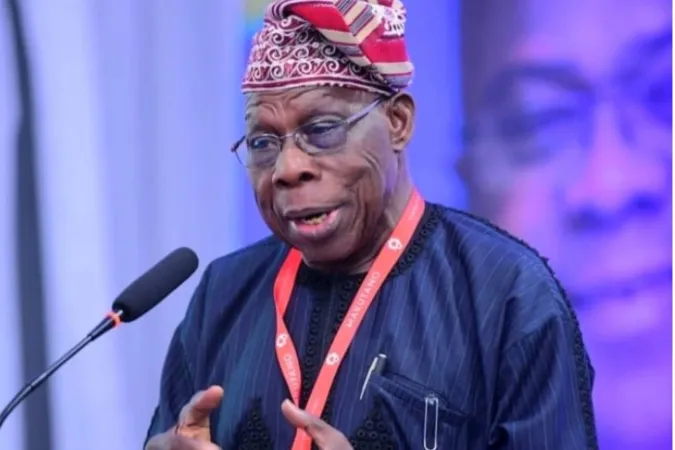
Obasanjo: Nigeria Should Not Experience Poverty
IMF warns of rising poverty risks in Nigeria amid stability
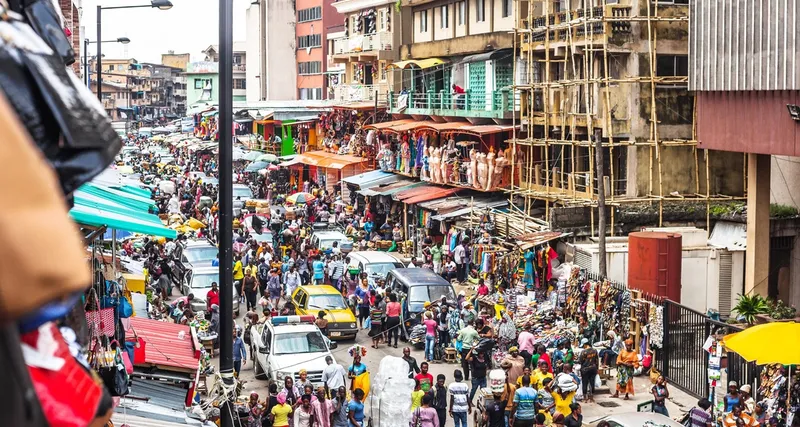
Nigeria Leads World in Extreme Poverty with 73.1 Million
Get Plus234Feed on messaging apps
Same headlines, delivered where you already scroll.