

Nigeria's 2027 Elections: Parties Address Poverty Issues

As Nigeria prepares for the 2027 general elections, the conversation must prioritize the economic realities faced by citizens, including poverty, food insecurity, and unemployment. The National Bureau of Statistics (NBS) 2022 Multidimensional Poverty Index reveals that 133 million Nigerians, or 63 percent of the population, are multidimensionally poor, with rural areas particularly affected.
The ruling All Progressives Congress (APC), led by President Bola Ahmed Tinubu, has initiated economic reforms such as fuel-subsidy removal and exchange-rate reform. However, the effectiveness of these reforms will be judged by their impact on household welfare.
The African Democratic Congress (ADC) aims to present itself as an alternative, emphasizing citizen-focused governance and structural reforms in its 2026 manifesto. The ADC's approach focuses on a production-driven economy and humane policy implementation, highlighting the need for economic restructuring rather than mere distribution of resources.
Plus234Feed summary based on reporting from This Day. Read the original report below.
Read full article
Continue on This Day
Get the week in one email
Top stories, NPFL results, the naira — every Friday morning. Free, one email a week.
Related Stories
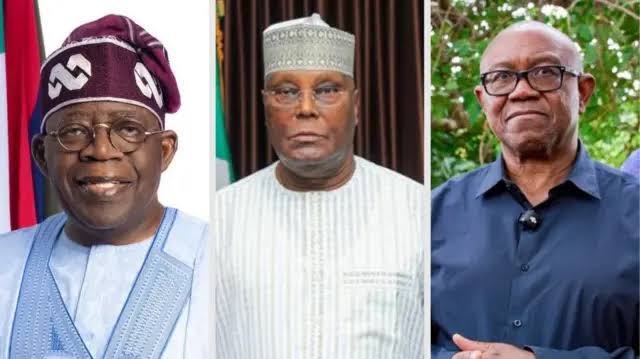
Nigeria's Political Campaigns Amid Rising Poverty Concerns
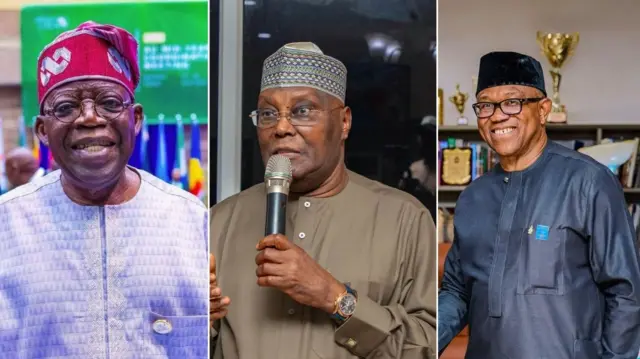
Key Issues Shaping Nigeria's 2027 Presidential Campaign
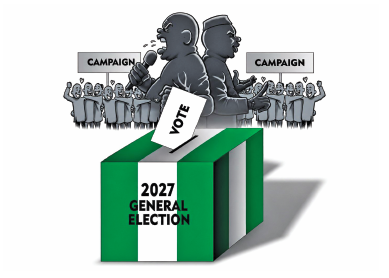
Nigeria's Political Campaigns Must Address Rising Poverty
Nigeria Faces 'Revenge of the Poor' Ahead of 2027 Elections
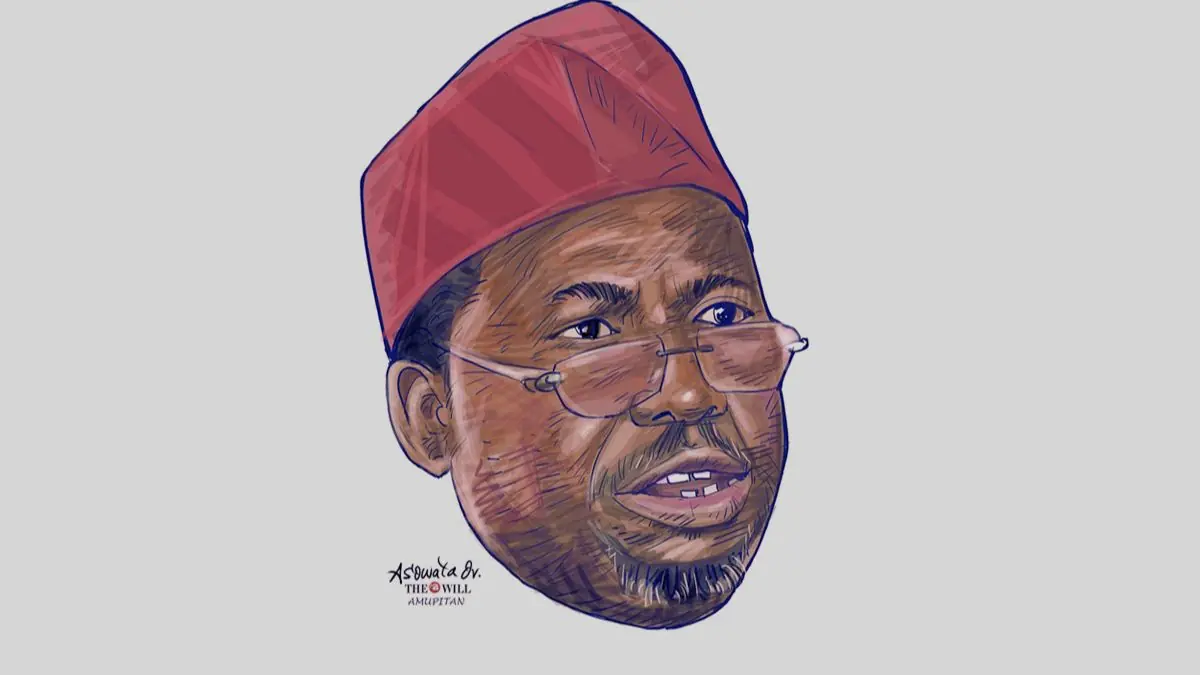
IRI Reports Dire Outlook for Nigeria's 2027 Elections
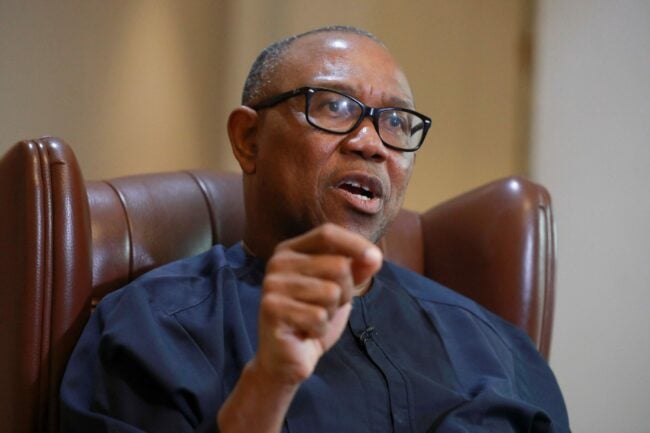
Peter Obi Critiques APC for Poverty, Promises Change
Get Plus234Feed on messaging apps
Same headlines, delivered where you already scroll.


