
World Bank Reports Rising Debt Costs Impacting Health Budgets
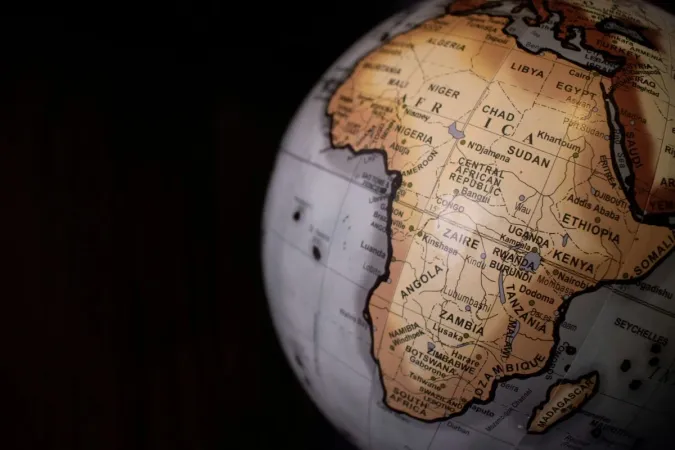
The World Bank's October 2026 Africa Economic Update reveals that interest payments on public debt surpass government spending on health and/or education in nearly 80% of sub-Saharan African countries. Between 2023 and 2026, interest payments averaged between 2.9% and 3.2% of GDP, exerting sustained pressure on government budgets.
The report projects a decline in the region's overall fiscal deficit from 5.6% of GDP in 2020 to 3.5% in 2026, with further narrowing to an average of 3.1% in 2027 and 2028. However, debt-servicing costs continue to limit resources for other government priorities.
Government revenues are expected to rise by 2.6 percentage points of GDP from 2024 to 2026, while total expenditure is projected to increase by 2.3 percentage points, with only 0.4 percentage points of this increase coming from non-interest expenditure. The report emphasizes that the debt challenge is increasingly characterized by servicing existing debt rather than new borrowing.
Nigeria's debt-service costs reflect these findings, with N3.14 trillion spent on domestic debt servicing in Q1 2026, a 20.3% increase from Q1 2025.
Plus234Feed summary based on reporting from Nairametrics. Read the original report below.
Read full article
Continue on Nairametrics
Get the week in one email
Top stories, NPFL results, the naira, every Friday morning. Free, one email a week.
Related Stories
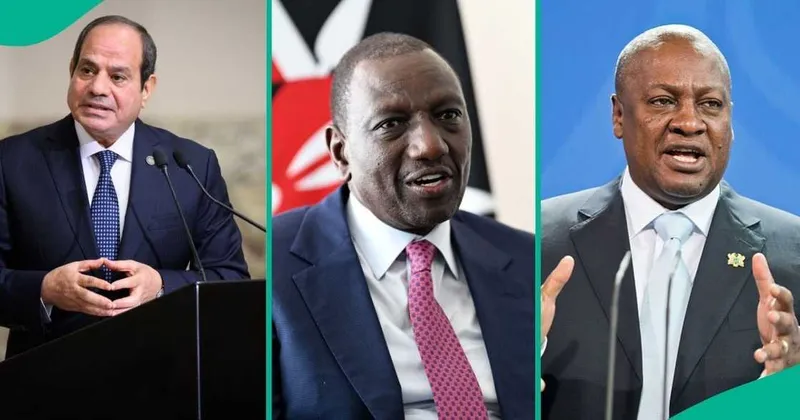
Egypt Leads Africa in IMF Loans with SDR 7.86 Billion
Nigeria's Debt Interest Hits N7.7tn, Capital Spending Plummets
World Bank Group Secures $22 Billion for Africa Investments
World Bank Forecasts 1.8% GDP Growth, 47.8% Poverty in Africa
AfDB and ODI Global Join Forces to Tackle Africa's Debt
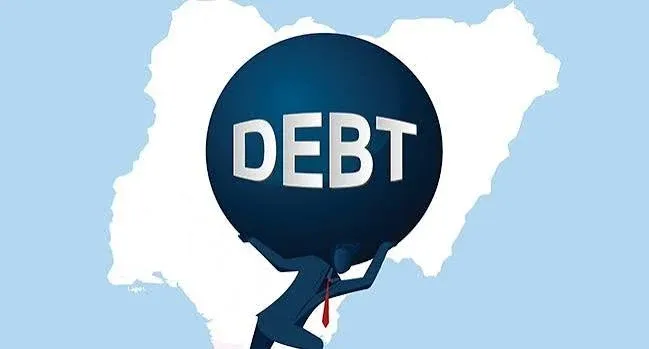
Nigeria's Interest Payments Surpass Revenue by 124% in 2026
Get Plus234Feed on messaging apps
Same headlines, delivered where you already scroll.