

Nigeria's Petrol Subsidy Removal Saves ₦53 Trillion Annually
Zacch Adedeji, the Chairman of the Nigeria Revenue Service, revealed in an interview that if President Bola Tinubu had not removed the petrol subsidy, Nigeria would have been spending approximately ₦53 trillion annually on it. The subsidy, introduced in 1973 during General Yakubu Gowon's regime to mitigate inflation and stabilize fuel prices, was institutionalized by General Olusegun Obasanjo in 1977 through the Petroleum Price Control Act.
Initially a temporary measure, the subsidy became a permanent fixture, leading to significant fiscal strain over the years. The regime was criticized for being unsustainable, with former President Muhammadu Buhari labeling it a "heavy burden on the national treasury." The Petroleum Industry Act of 2021 was enacted in response to these challenges.
Notable figures like Sanusi Lamido Sanusi and Ngozi Okonjo-Iweala have also commented on the unsustainable nature of funding consumption through borrowing for subsidy payments.
Plus234Feed summary based on reporting from Premium Times. Read the original report below.
Read full article
Continue on Premium Times
Enjoy this article?
Get the weekly Nigerian roundup — top stories, NPFL, naira. One email, Sunday morning.
Related Stories
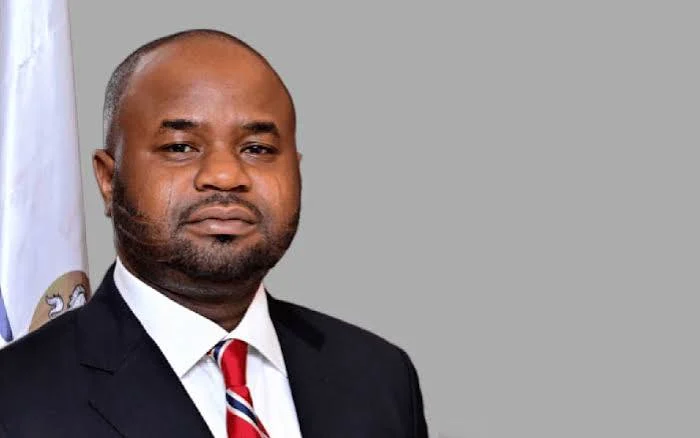
Tinubu's Subsidy Reform Could Have Cost Nigeria ₦53tn

Zacch Adedeji Defends Tinubu's Economic Reforms
Nigeria's Tax System Reforms Under Dr. Zacch Adedeji
Finance Minister Reveals N15.8tn Savings Breakdown
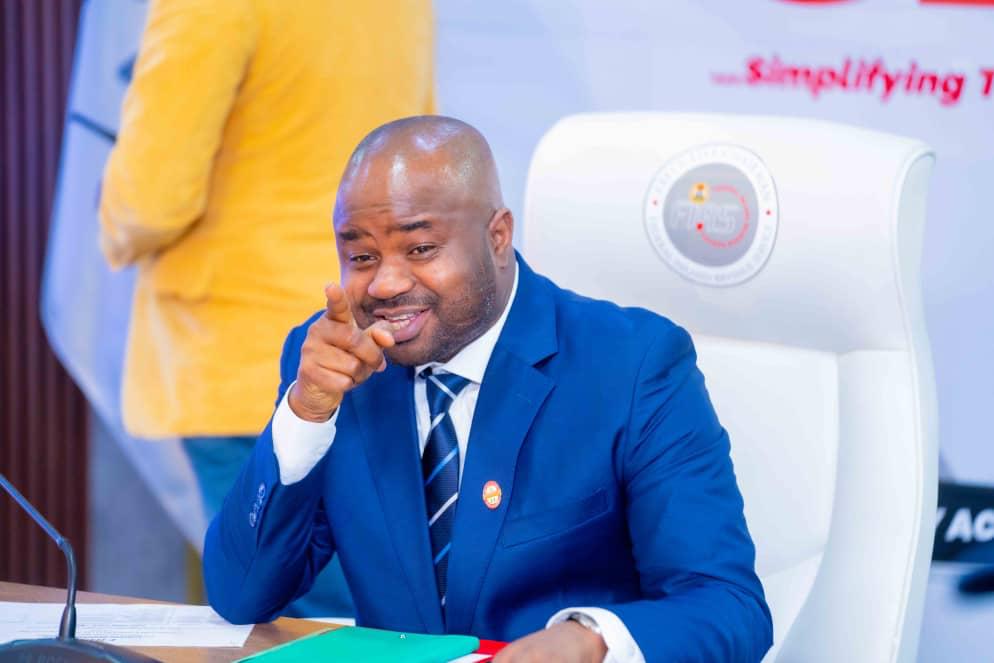
Fuel Subsidy Removal Strengthens Nigeria's Fiscal Position
Atiku Proposes Petrol Subsidy Restoration for 2027
Get Plus234Feed on messaging apps
Same headlines, delivered where you already scroll.


