
Nigeria's Economic Reforms Face Political Challenges Ahead
Nigeria's economy is reportedly recovering, with improvements in foreign reserves and investor confidence. However, millions of households continue to struggle financially.
As the 2027 elections approach, the sixth DataPro International Credit Rating Webinar, held on October 8, 2026, raised concerns about the sustainability of economic reforms under President Bola Tinubu's administration. Professor Kai Gehring from the University of Bern emphasized that the main challenge is ensuring reforms survive beyond electoral cycles.
He noted that successful countries maintain reforms over long periods, while unsuccessful ones often reverse policies after political transitions. The International Monetary Fund (IMF) recognized improvements in Nigeria's macroeconomic stability, estimating a 4% growth in 2025 and 4.1% in 2026.
Despite these figures, 63% of Nigerians live below the poverty line, and about 27 million face food insecurity. The World Bank also acknowledged that while economic conditions are improving, household incomes have not fully recovered, presenting a significant challenge for policymakers.
Plus234Feed summary based on reporting from This Day. Read the original report below.
Read full article
Continue on This Day
Get the week in one email
Top stories, NPFL results, the naira, every Friday morning. Free, one email a week.
Related Stories
Adesugba Warns on Economic Reforms Ahead of 2027 Elections
Nigeria's Q2 2026 Economic Data: Reform or Recovery?
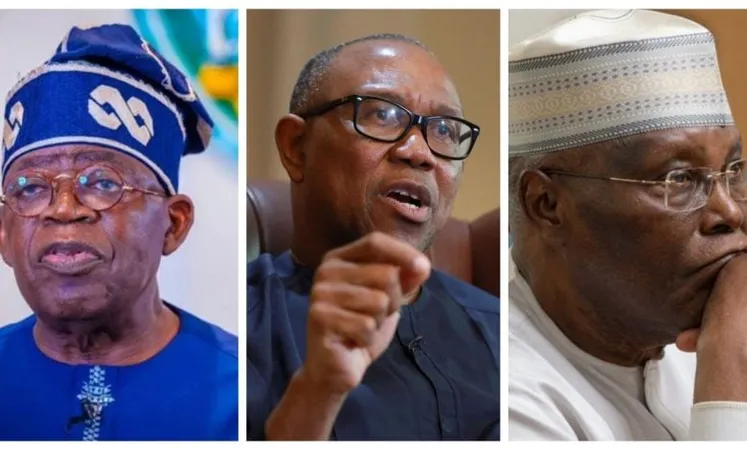
Economist Forecasts Tinubu's Potential Re-election in 2027

DataPro Limited Hosts Webinar on Nigeria's Credit Ratings

Nigeria's 2027 Elections: Parties Address Poverty Issues
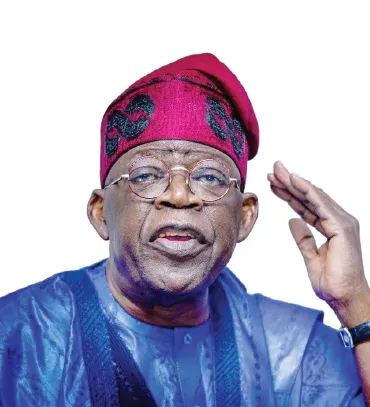
Tinubu Unveils Economic Reforms at Nigerian Summit
Get Plus234Feed on messaging apps
Same headlines, delivered where you already scroll.