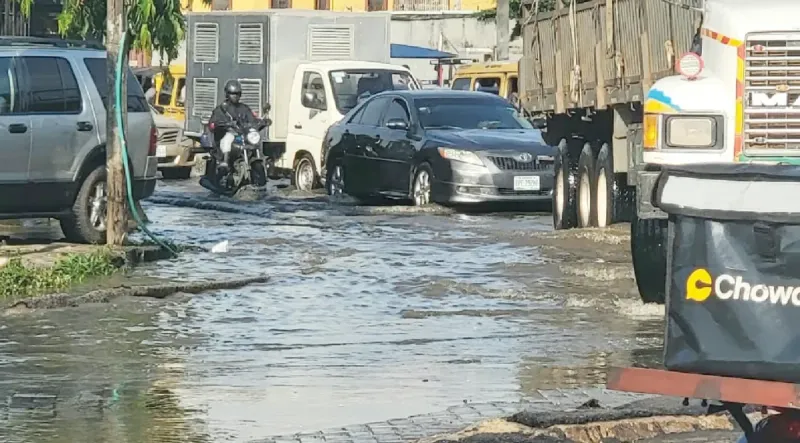

Abuja Flooding: Causes and Infrastructure Challenges

The Nigerian Meteorological Agency (NIMET) issued warnings regarding severe flooding in Abuja, noting that flooding can arise from various natural phenomena. Abuja, situated 340 meters above sea level, is less prone to catastrophic flooding compared to Lagos.
However, flash flooding can occur due to saturated soil from recent rainfall, leading to runoff. The drainage systems in Abuja are significantly compromised, with blocked gullies and stolen manhole covers preventing proper water flow.
The lack of maintenance of infrastructure and the city's increasing population are contributing factors to the flooding. Additionally, legal issues surrounding land allocations in prime areas like Maitama and Asokoro create pressure on land demand, complicating the situation further.
The article emphasizes that while flooding is a natural occurrence, human activities and infrastructure failures play a critical role in exacerbating the impact of such events.
Plus234Feed summary based on reporting from This Day. Read the original report below.
Read full article
Continue on This Day
Get the week in one email
Top stories, NPFL results, the naira, every Friday morning. Free, one email a week.
Related Stories
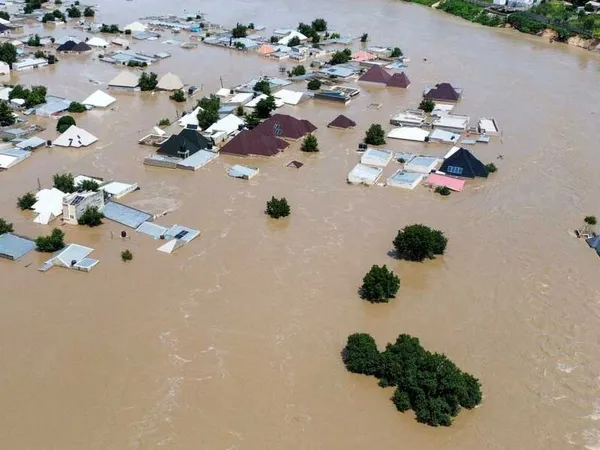
Abuja Flooding: Urban Planning Failures Exposed
Abuja Flooding Raises Concerns Over Green Area Conversions

Expert Advocates Climate-Resilient Planning for Abuja Floods

Kingibe Blames Abuja Flooding on Construction Practices
FCTA Commits to Address Abuja Flooding Issues

Abuja Flooding Linked to Illegal Structures and Climate Change
Get Plus234Feed on messaging apps
Same headlines, delivered where you already scroll.