

Abuja's Transport Crisis: Commuters Face Rising Costs
Abuja's transport system is characterized by chaos and inefficiency, significantly impacting its estimated population of 4.3 million residents. The city lacks a structured and reliable mass transit system, forcing residents to depend on informal networks such as minibuses, taxis, and tricycles, which are often expensive.
The rapid expansion of Abuja has outpaced its transport infrastructure, worsening congestion and increasing mobility costs for workers, particularly low-income earners. Public buses are scarce and poorly regulated, with high-density areas like Nyanya and Kubwa facing severe transport challenges.
Former Minister Nasir El-Rufai's administration had introduced 400 high-capacity buses through the Abuja Urban Mass Transport Company (AUMTCO), but the system has since deteriorated. Commuters now spend a significant portion of their monthly salaries on transport, with rising fuel costs further exacerbating the situation.
President Bola Ahmed Tinubu has promised to roll out mass transit buses, but their presence remains limited in Abuja, leaving many areas underserved.
Plus234Feed summary based on reporting from Daily Trust. Read the original report below.
Read full article
Continue on Daily Trust
Get the week in one email
Top stories, NPFL results, the naira — every Friday morning. Free, one email a week.
Related Stories
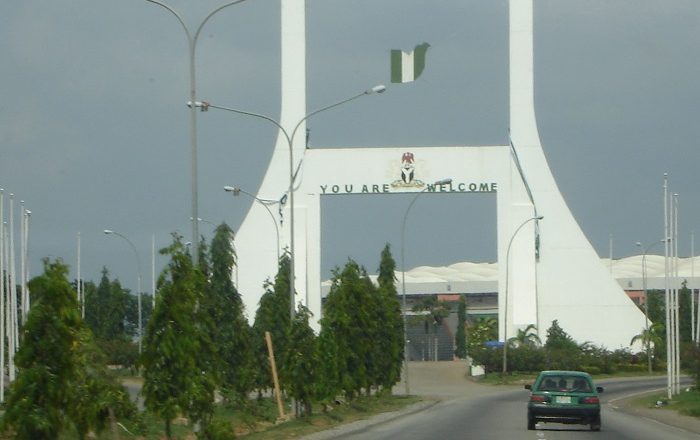
Abuja Residents Shift to Public Transport Amid Petrol Hike
Abuja Residents Face Rising Transport Fares Amid Fuel Hike
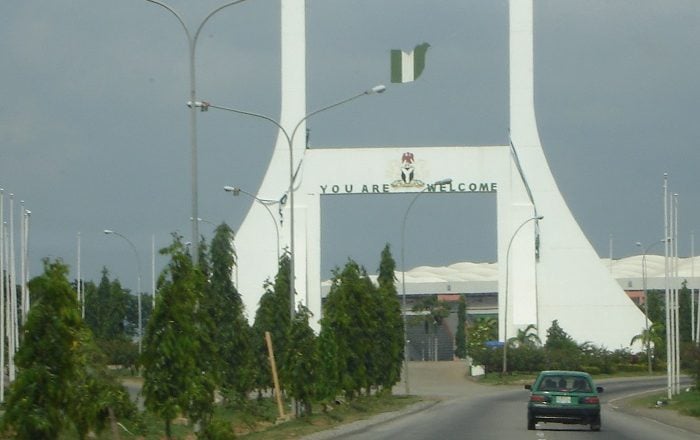
Abuja Faces Hardship Amid Rising Petrol Prices
FCT Residents Face Hardship Amid Rising Petrol Prices
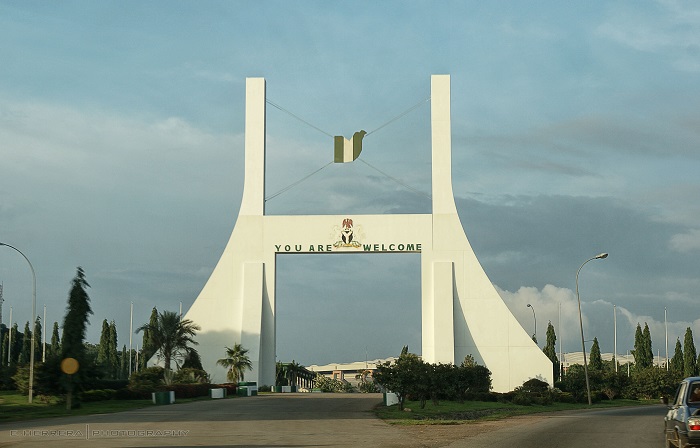
Abuja Residents Face Severe Electricity Supply Crisis
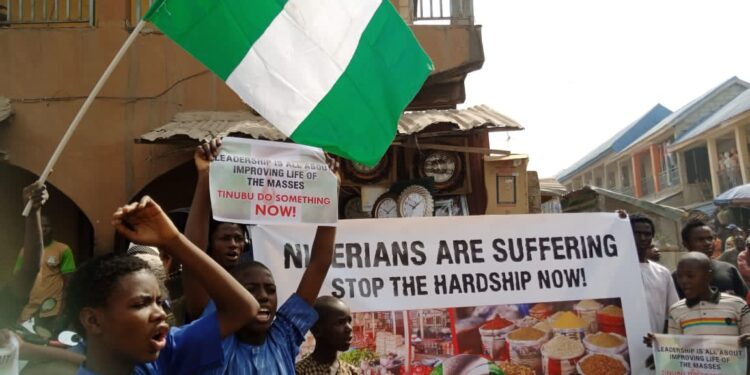
Rising Living Costs Erode Value of N300,000 Salary in Abuja
Get Plus234Feed on messaging apps
Same headlines, delivered where you already scroll.


