

Nigeria Decentralizes Power Supply with New Electricity Act
Nigeria's power sector is undergoing a significant transformation as the federal government and states collaborate to enhance power supply stability. Historically, the sector operated under a centralized model, with an installed capacity of over 14,000 megawatts (MW) but delivering only 4,000MW to 5,000MW due to various constraints.
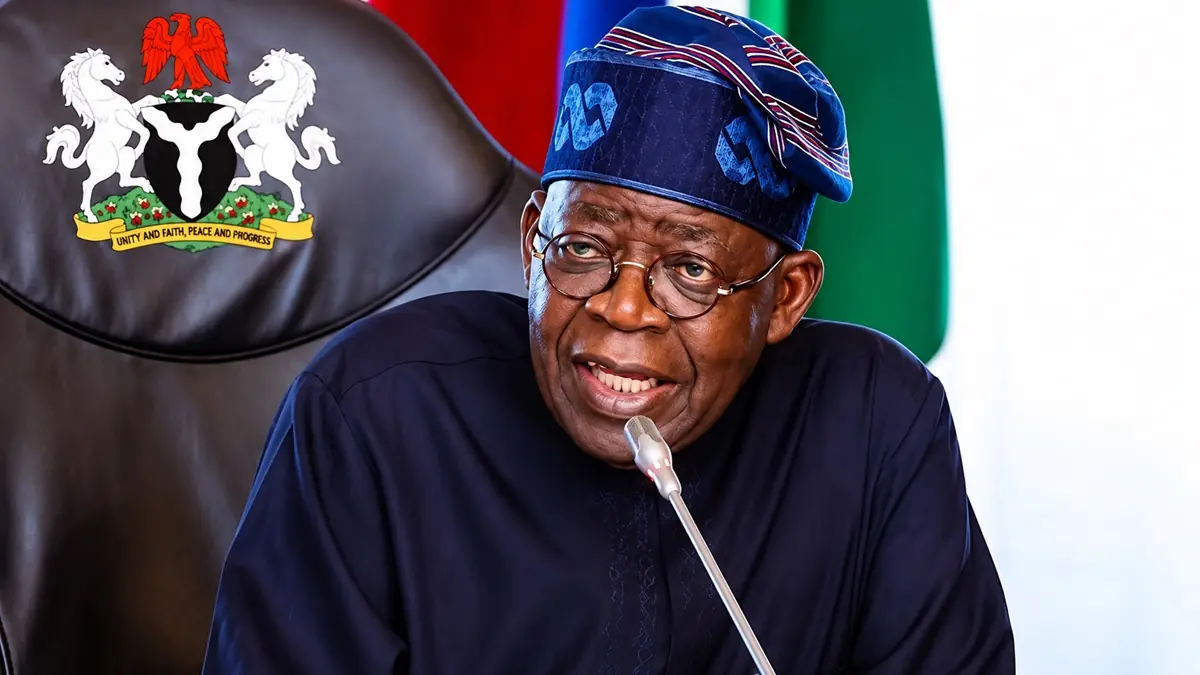
The amendment of Section 14, Item 14 of the 1999 Constitution and the signing of the Electricity Act 2023 by President Bola Ahmed Tinubu have initiated this change, repealing the Electric Power Sector Reform Act (EPSRA) of 2005. This legislation empowers states to establish their own electricity markets and regulatory bodies, allowing for localized generation and distribution.
Over 16 states, including Lagos, Enugu, and Akwa Ibom, have already enacted state electricity laws and set up independent regulatory commissions. The Nigerian Electricity Regulatory Commission (NERC) will now coordinate inter-state power dynamics, while states can develop off-grid systems and independent transmission networks tailored to their needs.
Plus234Feed summary based on reporting from Blueprint. Read the original report below.
Read full article
Continue on Blueprint
Get the week in one email
Top stories, NPFL results, the naira — every Friday morning. Free, one email a week.
Related Stories

FG and NASS Push for Stronger Power Market Coordination
FG Advocates Collaboration in Nigerian Electricity Sector

FG and NASS Support Harmonized Roles in Electricity Market

FG and NASS Back Complementary Roles in Electricity Market
Nigeria's Power Minister Advocates for Resilient Grids
FG Invests in Grid Stabilization for Reliable Electricity
Get Plus234Feed on messaging apps
Same headlines, delivered where you already scroll.


