

Nigeria's Voting Crisis: Ethnic Ties vs. Competence
Nigeria's democratic process is hindered by emotional and tribal voting, as citizens frequently prioritize ethnic affiliations over competence in leadership. President Bola Ahmed Tinubu, who began his term in the fourth republic in 1999, faces scrutiny for his administration's inability to address longstanding issues such as poor infrastructure, inflation, and economic hardship.
Despite recognizing the need for structural reforms, there is a reluctance among political aspirants to propose reversing key policies like fuel subsidy removal or forex liberalization. The article emphasizes that significant economic reforms often come with hardship, as seen in historical examples from China and India.
The current state of Nigeria's infrastructure, including roads and rail systems, remains a persistent complaint among citizens, with little visible federal intervention to improve conditions. The ongoing challenges reflect a deeper issue within Nigeria's political landscape, where the focus on ethnic identity continues to overshadow the need for effective governance.
Plus234Feed summary based on reporting from Premium Times. Read the original report below.
Read full article
Continue on Premium Times
Get the week in one email
Top stories, NPFL results, the naira — every Friday morning. Free, one email a week.
Related Stories
Insecurity and Distrust Fuel Voter Apathy Ahead of 2027
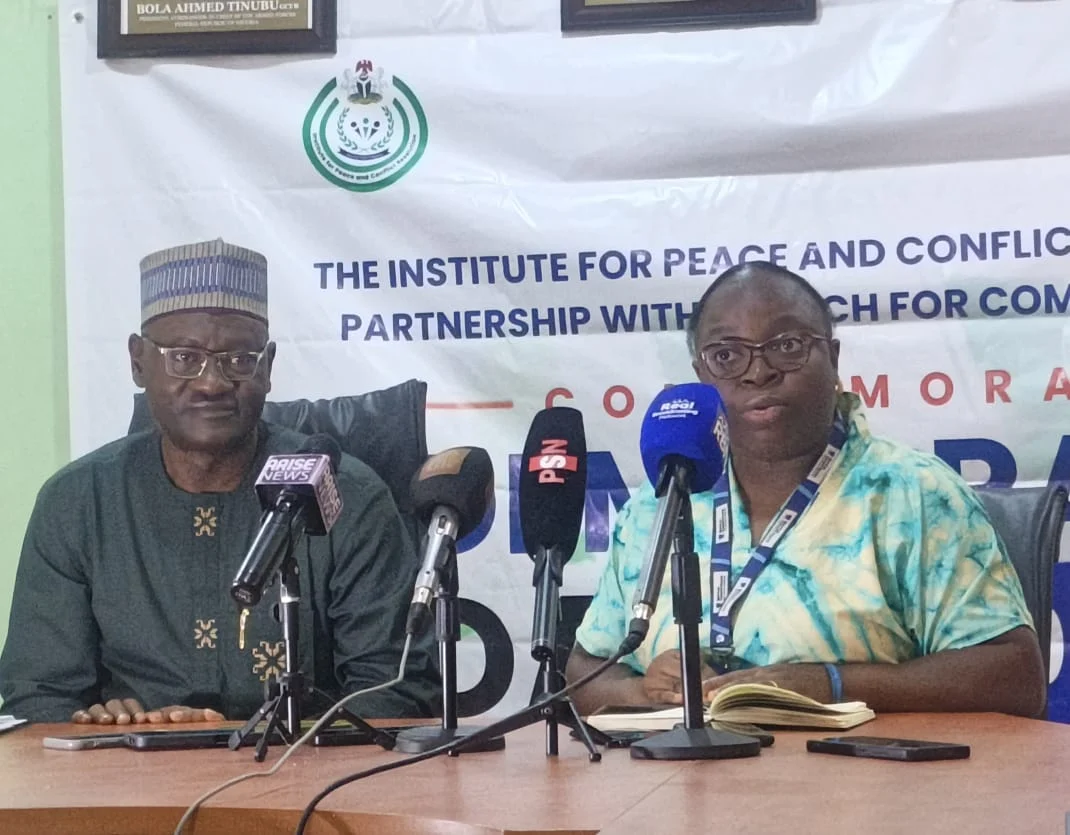
Voter Apathy and Money Politics Threaten Nigeria's Democracy
Nigeria's Political Landscape Ahead of 2023 Elections
Amaechi Urges Nigerians to Vote Experience Over Ethnicity
Nigeria's Path to Genuine Leadership for 2027 Elections
New Nigerian Mandate Calls for Responsible Voting
Get Plus234Feed on messaging apps
Same headlines, delivered where you already scroll.


