

Bismarck Rewane Proposes Refinery-Based Fuel Subsidy Model

Bismarck Rewane, the Managing Director of Financial Derivatives Company, has proposed a shift in Nigeria's fuel subsidy framework to a refinery-based model that would directly benefit consumers. During a session, he argued that Nigeria's resource endowment and strategic location provide a strong foundation for an efficient subsidy system anchored in domestic refining.
Instead of maintaining a broad subsidy regime, Rewane advocates for a targeted approach that leverages local refineries to stabilize fuel prices and reduce inefficiencies. His model involves the government supplying crude oil to domestic refineries while controlling prices to ensure that refined petroleum products are sold to consumers at lower rates.
This proposal comes amid ongoing debates following the removal of petrol subsidies, which aimed to reduce fiscal pressure and eliminate distortions in the downstream sector. Rewane linked his proposal to rising global oil prices and noted that increased revenue could provide the fiscal space needed to sustain the system.
His refinery-focused subsidy model represents a middle ground between full subsidy removal and price control.
Plus234Feed summary based on reporting from Nairametrics. Read the original report below.
Read full article
Continue on Nairametrics
Get the week in one email
Top stories, NPFL results, the naira — every Friday morning. Free, one email a week.
Related Stories

Rewane Advocates Refinery-Based Fuel Subsidy Model
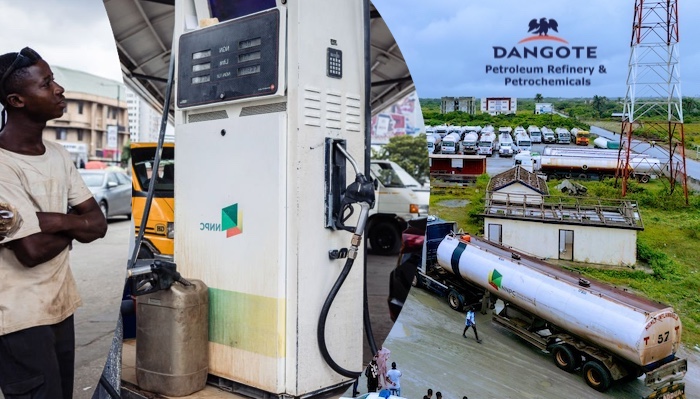
Nigerian Marketers Reject World Bank's Fuel Import Advice

CORAN Advocates for Oil Windfall Reinvestment in Refining
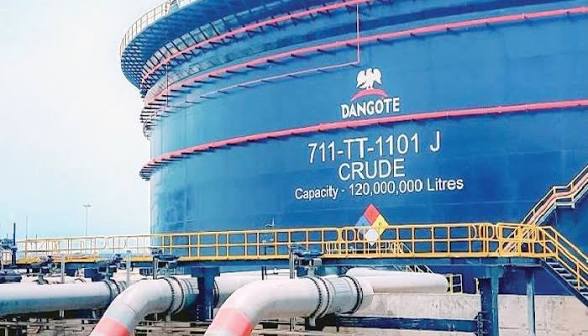
Dangote's $20 Billion Refinery to Transform Nigeria's Oil Sector
Nigeria's Finance Minister Confirms No Return to Fuel Subsidy
FG Urged to Reintroduce Fuel Subsidies Amid Price Surge
Get Plus234Feed on messaging apps
Same headlines, delivered where you already scroll.


