

Rewane Advocates Refinery-Based Fuel Subsidy Model

Bismarck Rewane, managing director of Financial Derivatives Company, has proposed a shift in Nigeria's fuel subsidy framework to a refinery-focused model. This recommendation aims to deliver direct benefits to consumers and improve efficiency in the downstream petroleum sector.
Rewane's proposal arises amid renewed public debate regarding fuel price inflation and the long-term effects of subsidy removal, as highlighted by President Bola Tinubu. He emphasized that Nigeria's vast oil reserves and strategic geographical location provide a solid foundation for a sustainable subsidy structure anchored in domestic refining.
Rewane insists that refineries should sell oil at a particular price to help reduce costs. He noted that the current subsidy mechanism has created fiscal leakages and that only three or four refineries are operational.
The proposal follows the removal of petrol subsidies in 2023, part of broader fiscal reforms aimed at improving government revenue and reducing budgetary strain. The World Bank estimates Nigeria loses N10 trillion annually to fuel subsidies, while the NESG projects an increase in oil revenue due to rising global prices.
Plus234Feed summary based on reporting from Blueprint. Read the original report below.
Read full article
Continue on Blueprint
Get the week in one email
Top stories, NPFL results, the naira — every Friday morning. Free, one email a week.
Related Stories

Bismarck Rewane Proposes Refinery-Based Fuel Subsidy Model
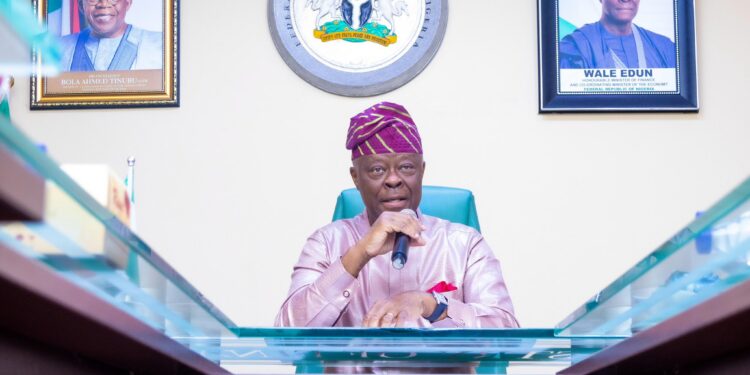
Wale Edun Rejects Fuel Subsidy Amid Rising Petrol Prices

Nigeria Rejects Fuel Subsidy Return Amid Inflation Concerns

Nigeria's 2023 Fuel Subsidy Reforms and Economic Impact
NRM Aspirant Calls for Restoration of Fuel Subsidy
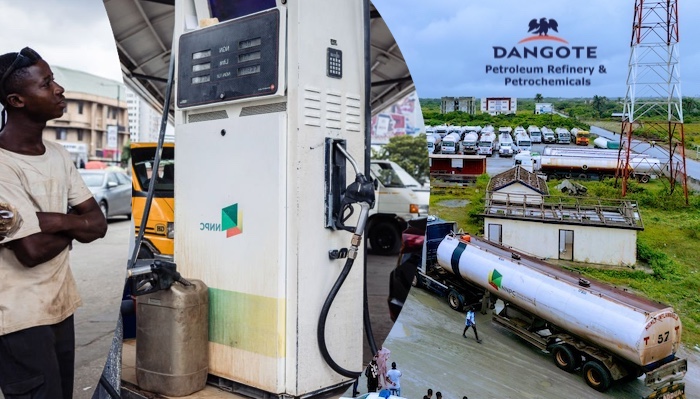
Nigerian Marketers Reject World Bank's Fuel Import Advice
Get Plus234Feed on messaging apps
Same headlines, delivered where you already scroll.


