

Bush Meat: Cultural Delicacy Or Public Health Risk?

Bush meat, sourced from wild animals like antelope, bats, monkeys, and grass cutters, is a cultural delicacy in many African communities, symbolizing tradition and heritage. However, experts warn that the methods used to hunt and process these animals can expose humans to zoonotic diseases.
Recent outbreaks, including Ebola and Lassa fever, have been linked to bush meat consumption. The consumption of bush meat poses significant health risks, as these animals may carry pathogens, bacteria, and environmental toxins that can lead to food poisoning and infections.
To address this public health concern, experts recommend promoting safer meat alternatives, improving surveillance and testing in markets, educating communities on the risks of hunting and preparing wild animals, and enforcing laws to protect endangered species and regulate the bushmeat trade. It is crucial to ensure proper hygiene and thorough cooking of meat to mitigate the health risks associated with bush meat consumption.
Plus234Feed summary based on reporting from Leadership Newspaper. Read the original report below.
Read full article
Continue on Leadership Newspaper
Get the week in one email
Top stories, NPFL results, the naira — every Friday morning. Free, one email a week.
Related Stories
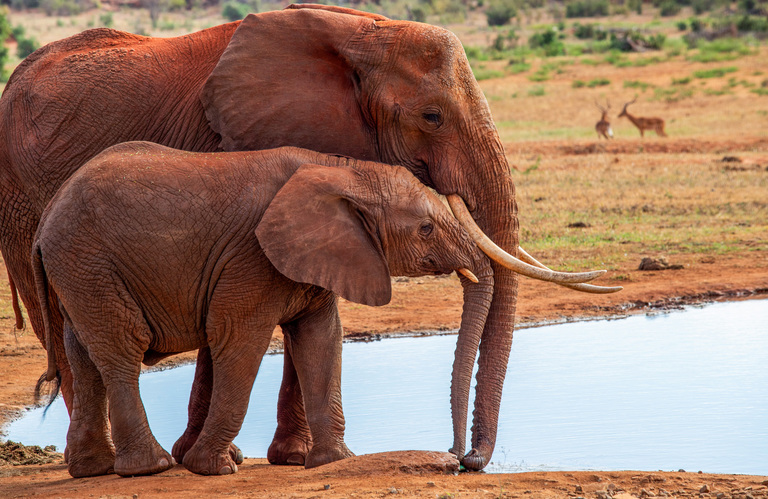
Wildlife Society Nigeria Warns Against Bushmeat Consumption for Health and Biodiversity

Rare and Deadly Marburg Virus Disease Surfaces in Africa - Stay Informed!
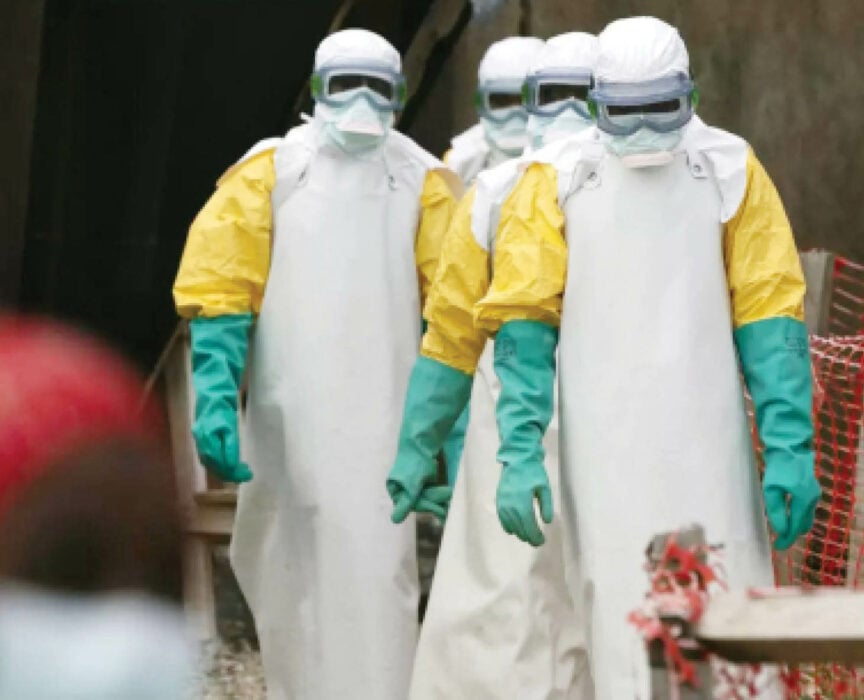
Protect Yourself: Ebola Resurfaces in Congo - Symptoms and Prevention
NCDC Issues Ebola Advisory Amid DRC Outbreak
Protect Yourself from Ebola: 5 Key Prevention Measures Revealed

Optimus Bank Launches Blood Drive to Aid Healthcare Needs
Get Plus234Feed on messaging apps
Same headlines, delivered where you already scroll.


