

Nigerian Private Sector Credit Falls 14% to N81.04 Trillion

As of May 2026, credit to the private sector in Nigeria has dropped by 14% year-to-date, totaling N81.04 trillion, a significant decline from N93.74 trillion recorded in January 2026. The Central Bank of Nigeria (CBN) reported that the highest peak for private sector credit was N94.6 trillion in February 2026.
Analysts from Cordros Capital attribute this decline to increasing credit risk concerns and non-performing loans amid economic uncertainty. The CBN's tight monetary policy and the enforcement of limits on deposit money banks' loan-to-deposit ratios are expected to continue influencing commercial banks' willingness to create riskier assets in the short to medium term.
The report also indicated that credit to the government increased to N40.38 trillion in May 2026, marking a 6.6% rise from N37.87 trillion in January 2026. Financial expert Mr. David Adnori noted that excess liquidity contributes to the growth of government credit, while Dr. Muda Yusuf from the Centre for Promoting Private Enterprise expressed concerns about the distribution of credit across sectors, particularly for small businesses.
Plus234Feed summary based on reporting from This Day. Read the original report below.
Read full article
Continue on This Day
Enjoy this article?
Get the weekly Nigerian roundup — top stories, NPFL, naira. One email, Sunday morning.
Related Stories

Nigeria's Private Sector Credit Drops N14 Trillion in 2026
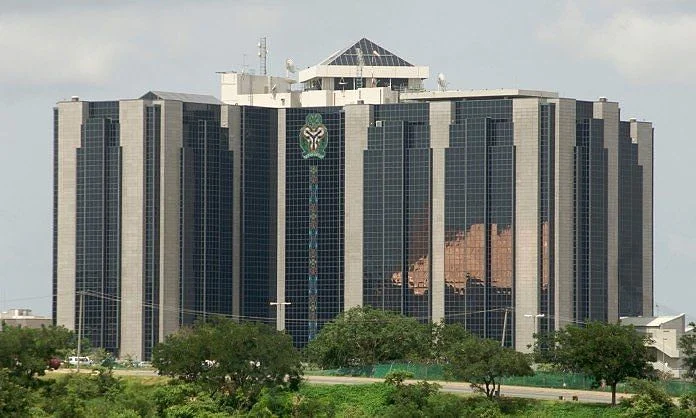
Nigeria's Consumer Credit Drops 19.89% to N3.78 Trillion
Nigeria's Private Sector Credit at 9.4% of GDP, AfDB Reports
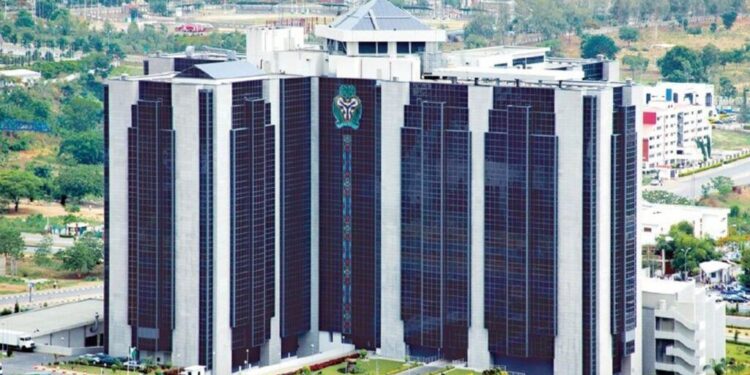
Retail Loans Decline as Consumer Credit Rises to N3.81T
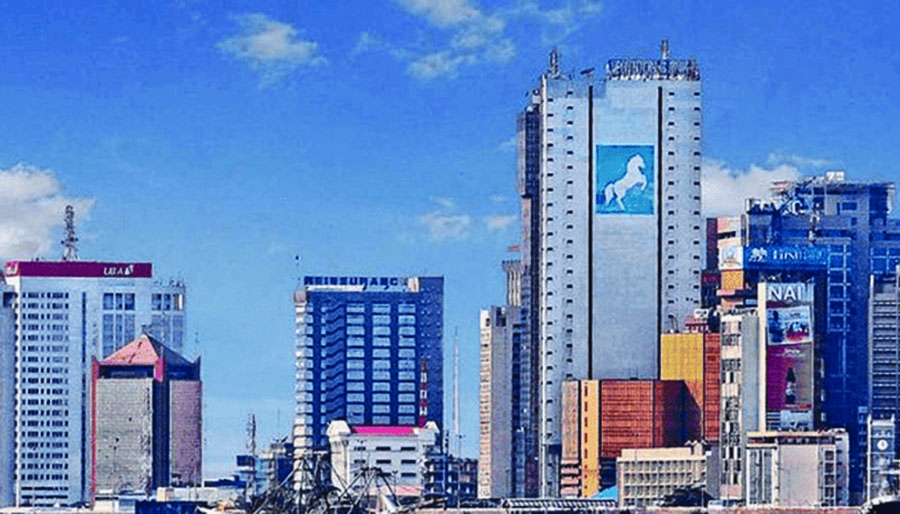
Nigeria's Banks Raise N4.65 Trillion Amid Credit Crisis

Banks' Borrowing from CBN Drops 96% to N2.33 Trillion
Get Plus234Feed on messaging apps
Same headlines, delivered where you already scroll.


