
Economic Struggles Threaten Tinubu's 2027 Election Bid
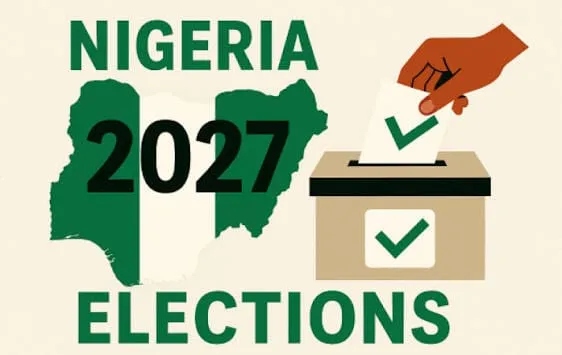
As the 2027 general election approaches, Nigeria's ongoing economic hardship, exacerbated by increasing petrol and cooking gas prices, presents a major challenge for President Bola Ahmed Tinubu and the All Progressives Congress (APC). President Tinubu, who took office in May 2023, implemented significant reforms such as the removal of the petrol subsidy and alterations to the foreign exchange system to address Nigeria's structural economic weaknesses.
However, these reforms have resulted in immediate financial pressures on households and businesses. Rising costs of living, particularly due to higher fuel prices affecting transportation and food distribution, threaten to intensify public dissatisfaction.
Historical precedents indicate that economic hardship can influence electoral outcomes, as seen in the 2015 election when President Goodluck Jonathan lost amid widespread concerns about insecurity and governance. The APC faces the risk that widespread frustration among citizens could lead to a protest vote against the ruling party, regardless of the government's explanations for the economic situation.
Plus234Feed summary based on reporting from This Day. Read the original report below.
Read full article
Continue on This Day
Get the week in one email
Top stories, NPFL results, the naira, every Friday morning. Free, one email a week.
Related Stories
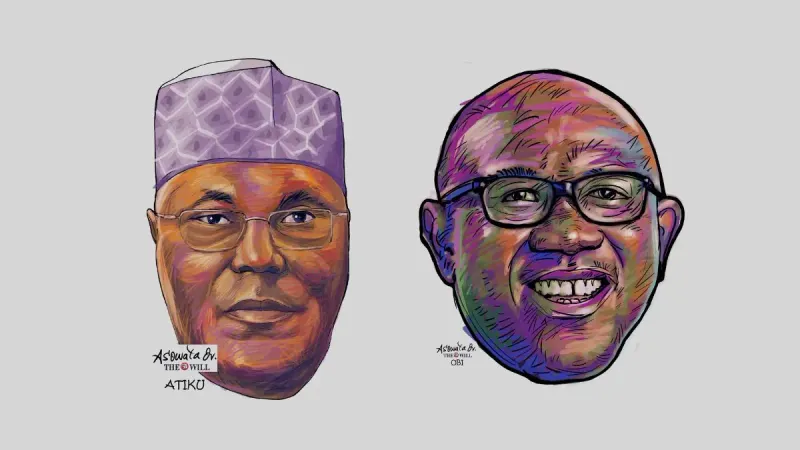
Tinubu's 2027 Campaign Faces Insecurity and Economic Woes

Rising Cost of Living to Shape 2027 Presidential Election
Nigeria's 2027 Elections: Parties Address Poverty Issues
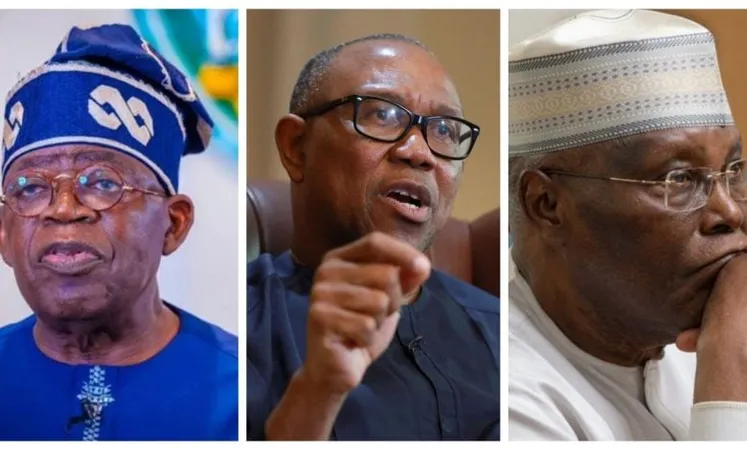
Economist Forecasts Tinubu's Potential Re-election in 2027
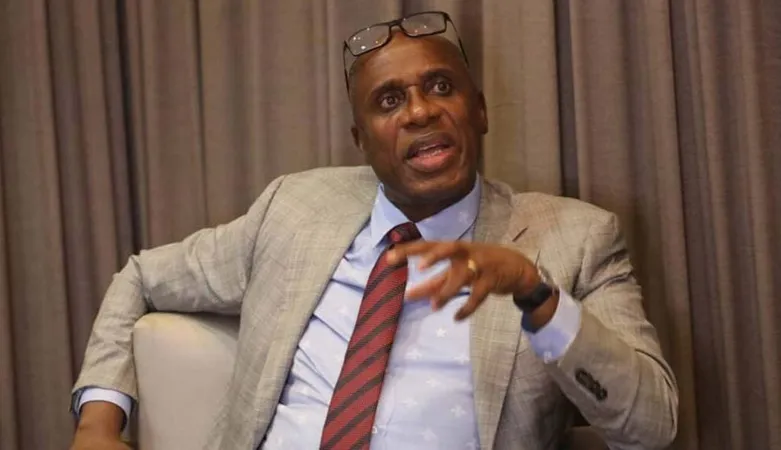
Amaechi Warns Nigerians Against Voting Tinubu in 2027
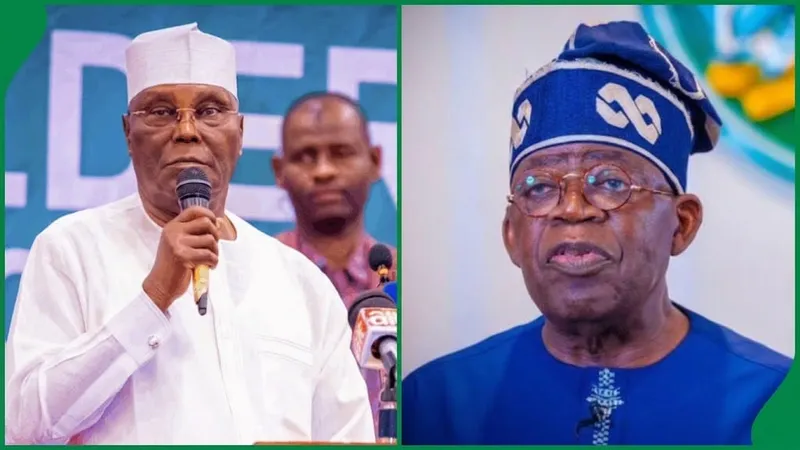
Atiku Abubakar Calls for Tinubu's Ouster in 2027 Elections
Get Plus234Feed on messaging apps
Same headlines, delivered where you already scroll.