

Education Minister Links Tinubu's $1trn Economy Goal to Workforce Reforms

Dr. Maruf Tunji Alausa says sustained investments in skills training and tertiary education are central to Nigeria's economic transformation by 2030.
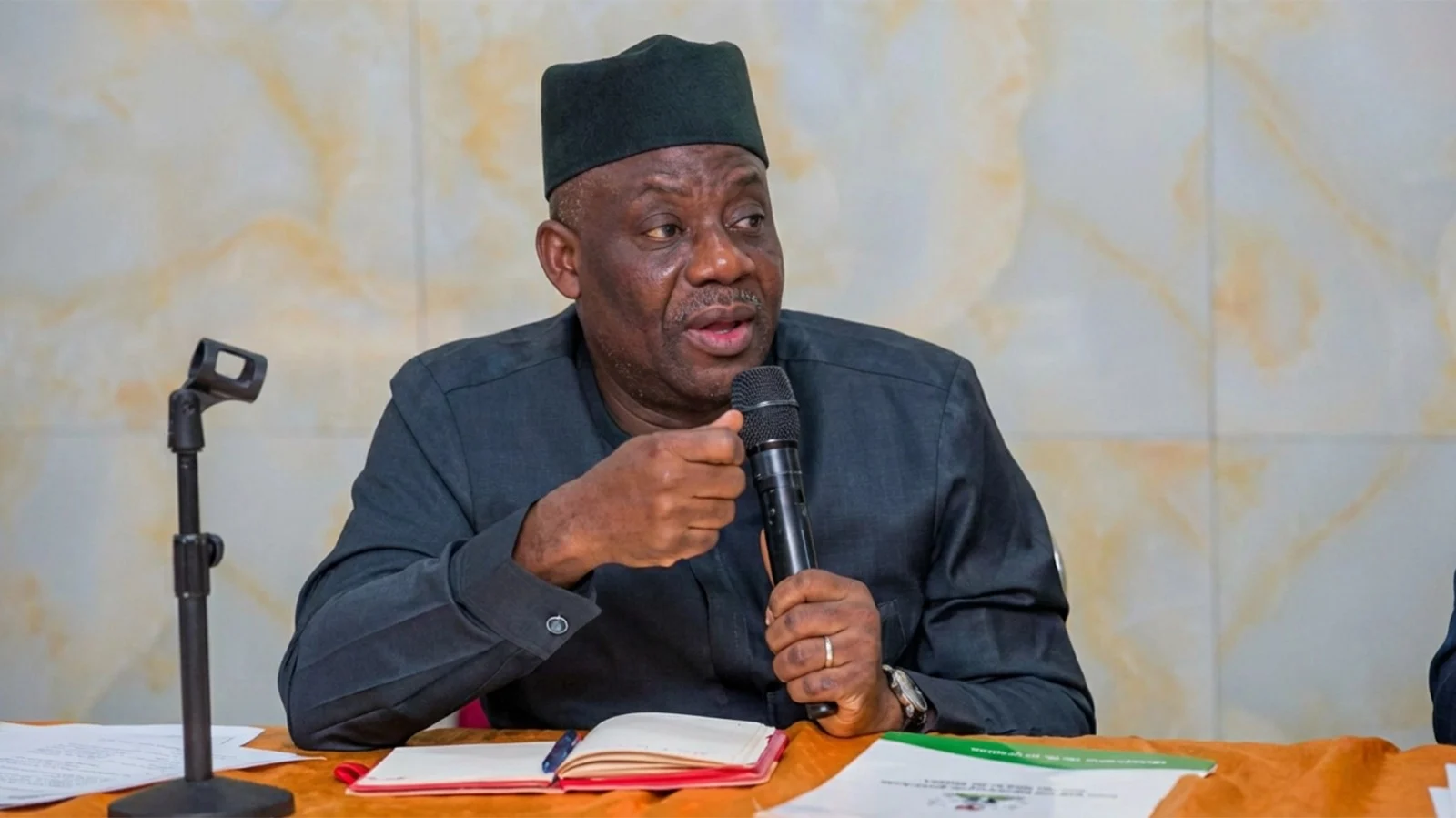
Nigeria's Minister of Education has positioned the sector as fundamental to President Bola Ahmed Tinubu's agenda of growing the economy to $1 trillion by 2030. In recent interviews, Dr. Maruf Tunji Alausa stated that the government is actively reshaping education policy to develop a workforce capable of competing on the global stage and driving national economic growth.
The minister outlined that the federal government's strategy centres on three pillars: strengthening human capital development, expanding skills acquisition programmes, and implementing reforms across tertiary institutions. Alausa framed these measures as deliberate steps to ensure Nigeria can export skilled professionals internationally and build domestic capacity for sustained prosperity.
According to the minister, the education sector overhaul is not isolated but integrated into the broader economic transformation agenda championed by the Tinubu administration. He emphasised that investments in education infrastructure and curriculum development are being treated as critical infrastructure for long-term national development rather than peripheral social spending.
The minister also referenced addressing sectoral shortages, including gaps in health professions, as part of the education sector's response to the economy target. By aligning university curricula and technical training with market demands, the government intends to reduce skills mismatches and improve labour force productivity across key industries.
Sources
- This Day — $1trn Economy: Reforms Are Building Nigeria’s Future Workforce, Says Minister
- Blueprint — How Tinubu’s targeted $1 trillion economy can be achieved by 2030 – Minister
- Nigerian Tribune — We’re committed to Tinubu’s targeted $1trn economy — Minister
Enjoy this article?
Get the weekly Nigerian roundup — top stories, NPFL, naira. One email, Sunday morning.
Related Stories
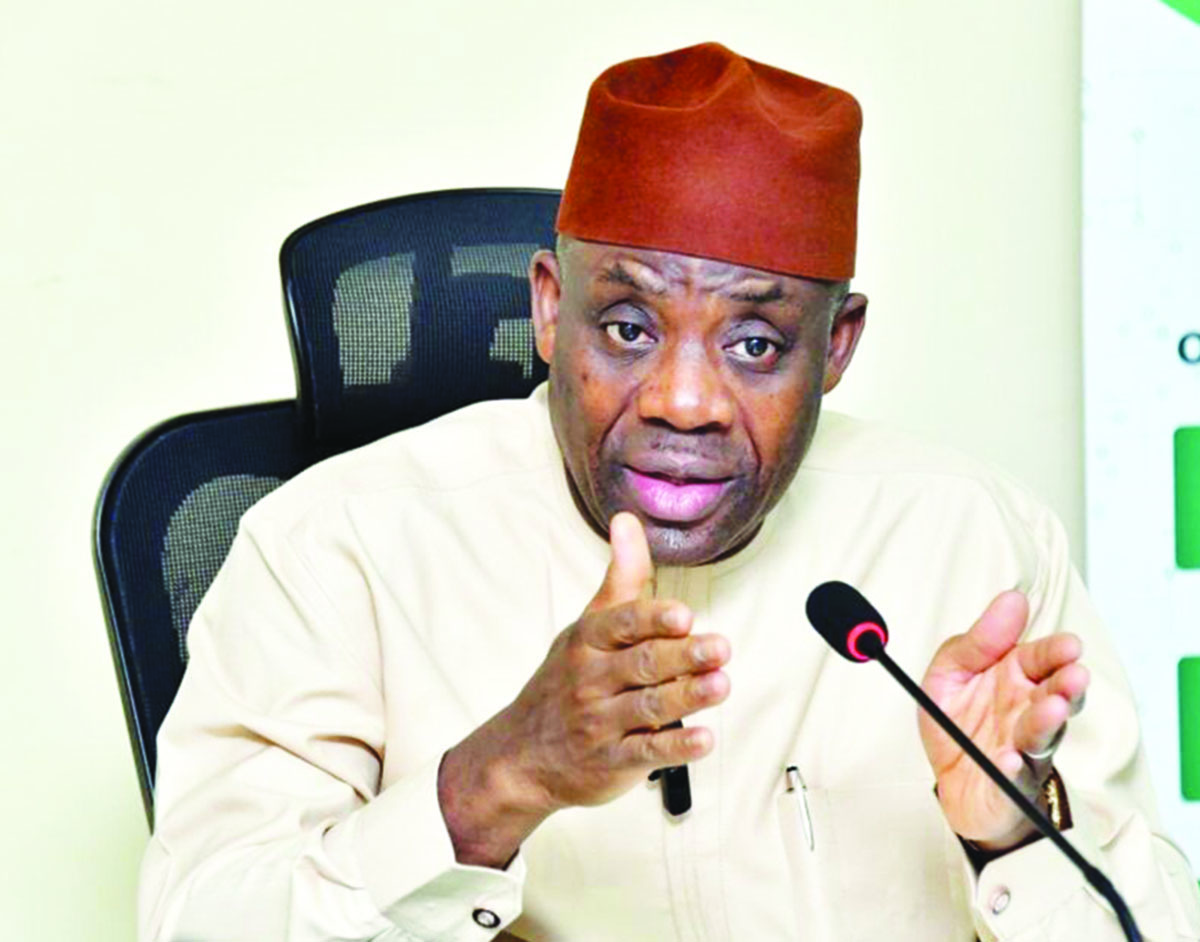
Education Key to Nigeria's $1 Trillion Economy Vision
Tinubu's ₦1 Trillion Investment in Nigeria's Education
Tinubu's Economic Reforms Impacting 2027 Election
Tinubu Launches Education Programs to Boost Human Capital
Education Minister Urges Universities to Drive Economic Growth
Education Minister Calls for Investment in Nigeria's Future
Get Plus234Feed on messaging apps
Same headlines, delivered where you already scroll.


