

Nigeria's Financial Inclusion Strategy for Economic Resilience

The article outlines Nigeria's participation in the global financial inclusion initiative, marked by the signing of the Maya Declaration in September 2011. This commitment aims to reduce poverty and enhance financial access for individuals, particularly the poor.
The World Bank supports this initiative by redefining financial inclusion to ensure that individuals and businesses can access affordable financial products and services. The Central Bank of Nigeria (CBN) defines financial inclusion as the ease with which adult Nigerians can access a broad range of formal financial services.
The CBN has set a target of achieving 80% financial inclusion by 2020, with a baseline of 46.3% in 2012. As of 2021, global account ownership rose from 55% in 2014 to 70%.
The CBN's strategy includes promoting digital payments and mobile banking to reach underserved populations, particularly in rural areas. Efina plays a critical role in promoting pro-poor financial inclusion through data-driven research and advocacy.
Plus234Feed summary based on reporting from Blueprint. Read the original report below.
Read full article
Continue on Blueprint
Get the week in one email
Top stories, NPFL results, the naira — every Friday morning. Free, one email a week.
Related Stories
Nigeria Launches Registration for 10 Million Financial Inclusion
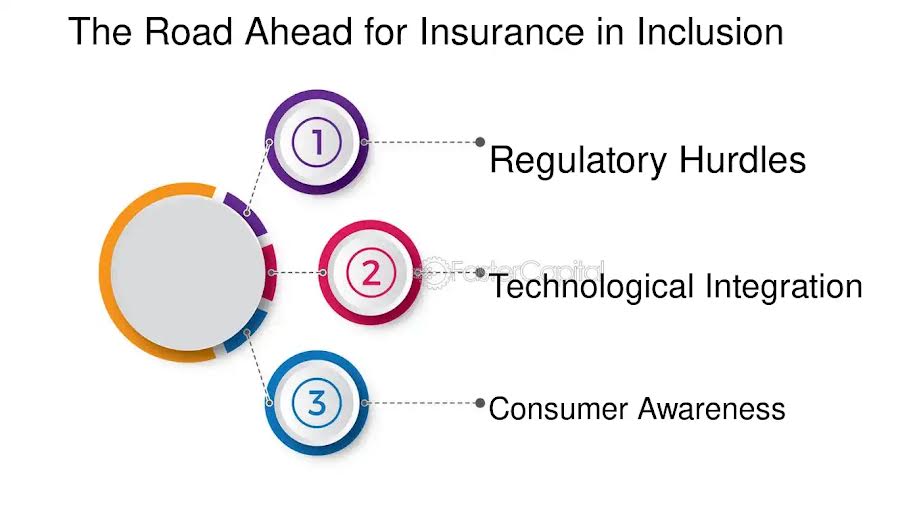
Enhancing Financial Inclusion in Nigeria's Insurance Sector

Financial Illiteracy Hinders Microfinance in Nigeria

Union Bank Nigeria Targets Financial Exclusion with Loans
EFInA Hosts Event to Boost Women's Financial Inclusion

Nigeria Launches Financial Literacy Training for 10M Citizens
Get Plus234Feed on messaging apps
Same headlines, delivered where you already scroll.


