

Global Food Prices Rise 5% After Hormuz Closure

The World Bank reported a 5% increase in global food prices following the near-total closure of the Strait of Hormuz due to conflict in the Middle East in late February 2026. This increase marks the highest level since January 2024, primarily driven by a 10% surge in oil meal prices and a 3% rise in grain prices.
The analysis indicates that the current food price pressures are less severe than those experienced during the early stages of the Russia-Ukraine war in 2022, when food prices rose by 15% in a similar timeframe. Despite this, the World Bank warns that risks remain, particularly if disruptions persist beyond mid-year.
The report highlights that food inflation is particularly acute in import-dependent regions such as the Middle East and North Africa, with Iran experiencing food inflation rates of 98% as of February 2026. The World Bank projects modest increases in food commodity prices through 2026, with overall food index prices expected to rise by around 2.5%.
Plus234Feed summary based on reporting from Punch Newspapers. Read the original report below.
Read full article
Continue on Punch Newspapers
Get the week in one email
Top stories, NPFL results, the naira — every Friday morning. Free, one email a week.
Related Stories

Global Oil Prices Drop as Iran Reopens Strait of Hormuz
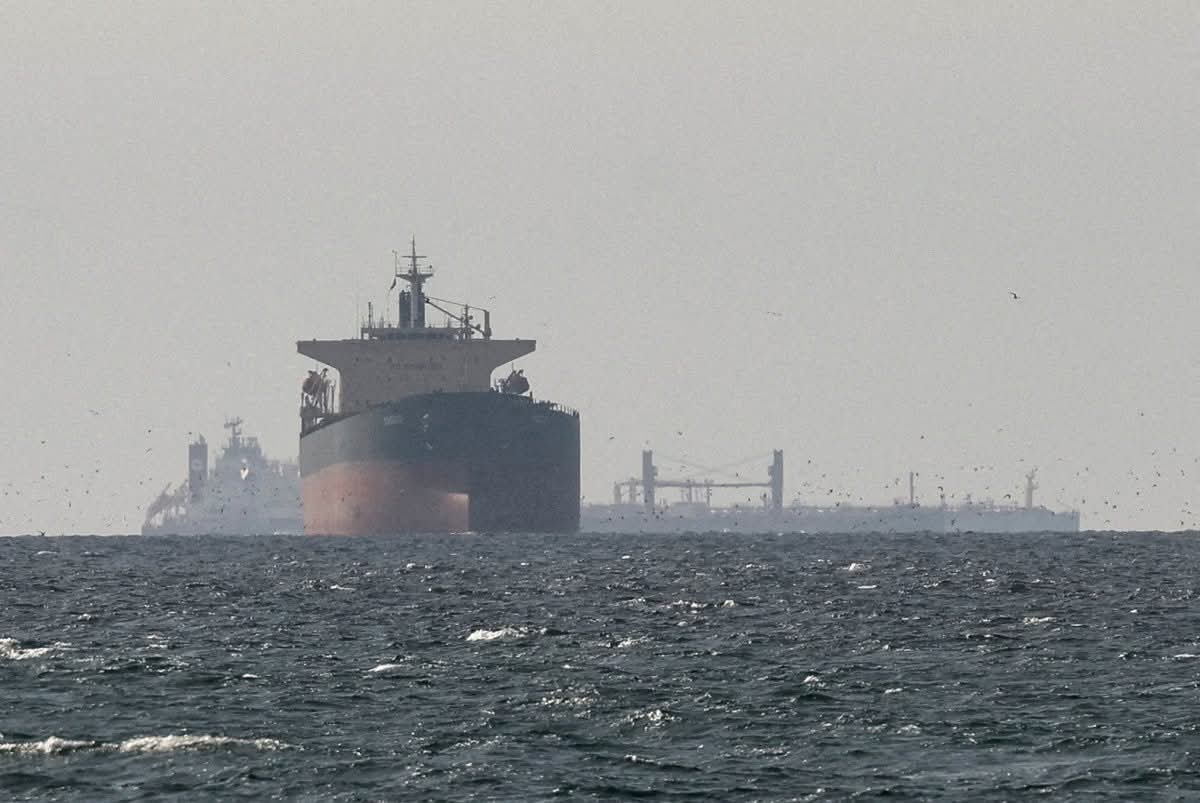
Uncertain Strait of Hormuz Impacts Global Fuel Prices
Oil Prices Plunge 11% as Iran Reopens Strait of Hormuz

Oil Prices Surge to $74 After Hormuz Tanker Attacks

Oil Prices Surge as Trump Orders Hormuz Blockade

Crude Oil Prices Surge 7% After U.S. Navy Blockade Order
Get Plus234Feed on messaging apps
Same headlines, delivered where you already scroll.


