

Tinubu's Infrastructure Reforms Transform Nigeria's Economy

President Bola Ahmed Tinubu, who assumed office on May 29, 2023, has focused on transforming Nigeria's infrastructure through decisive fiscal reforms and attracting foreign investment. His administration inherited a challenging economic landscape, including a fiscal deficit of 5.4% of GDP and net foreign reserves of $3.99 billion.
Key reforms included the removal of subsidies and unification of exchange rates, which aimed to restore investor confidence. By 2026, projections indicate Nigeria's external reserves could reach $50 billion, with a halved fiscal deficit of 3% of GDP and GDP growth projected at 4.2%.
Notable achievements include upgrades from Fitch Ratings and S&P Global, reflecting improved economic credibility. The European Bank for Reconstruction and Development signed a $100 million trade finance facility with Access Bank Nigeria PLC, further enhancing Nigeria's position in international finance.
These efforts aim to establish a sustainable public-private partnership environment, crucial for long-term infrastructure investment.
Plus234Feed summary based on reporting from This Day. Read the original report below.
Read full article
Continue on This Day
Get the week in one email
Top stories, NPFL results, the naira — every Friday morning. Free, one email a week.
Related Stories
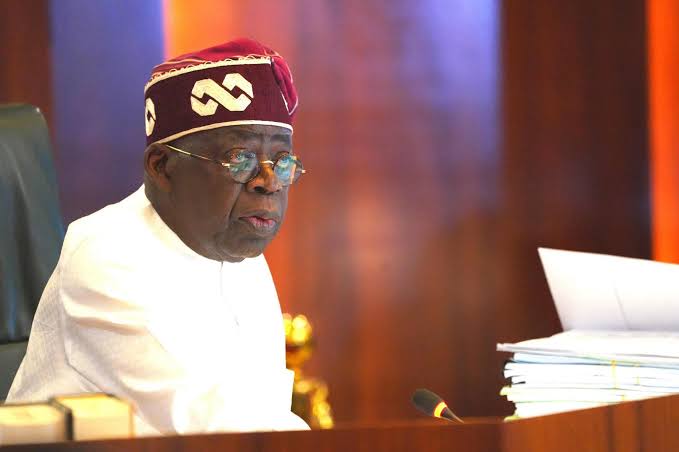
Tinubu's Three-Year Reforms: Economic Impact in Nigeria
Tinubu's Administration Marks Three Years Amid Challenges

Tinubu Defends Economic Reforms on Third Anniversary
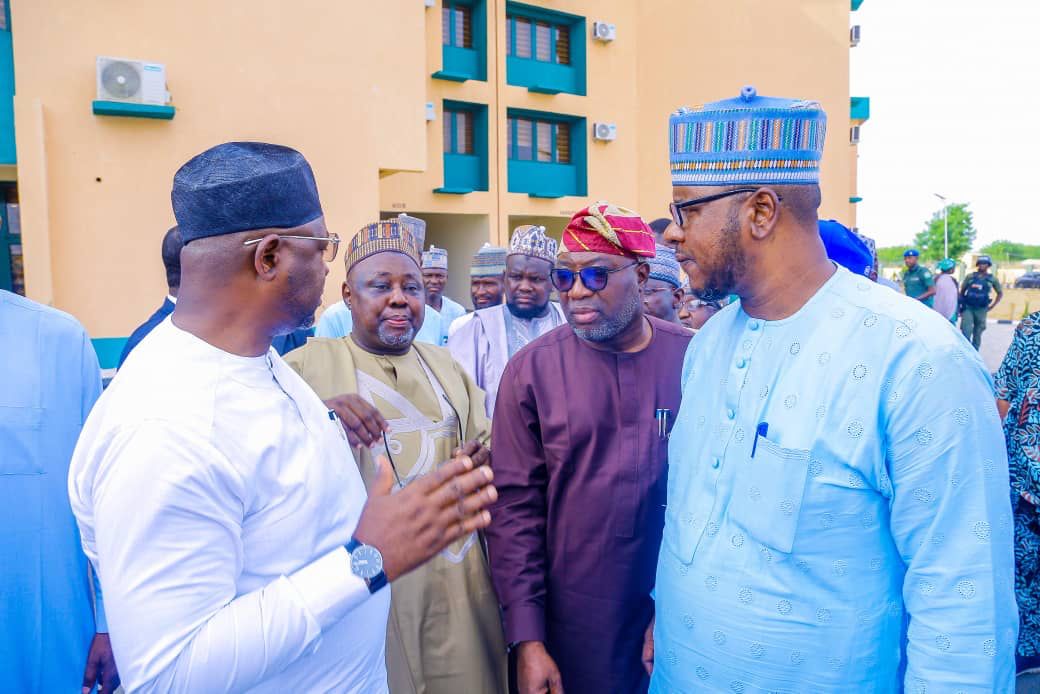
Tinubu's Infrastructure Projects to Enhance Nigeria's Economy
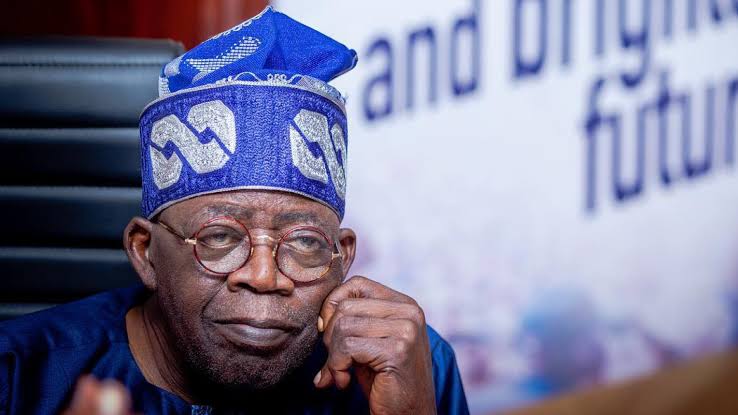
Tinubu's Administration Showcases Nigeria's Transformative Achievements
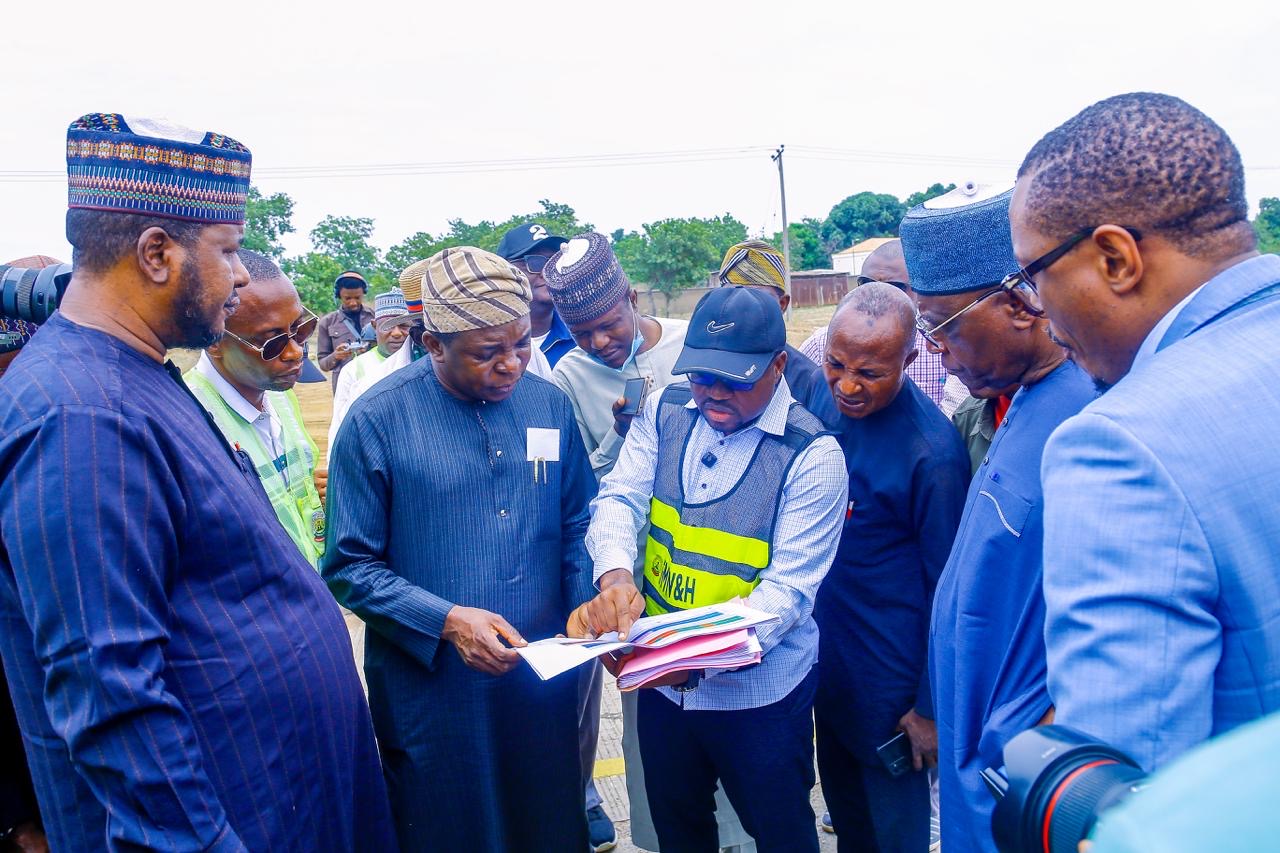
Tinubu's Administration Lauded for Northern Infrastructure Projects
Get Plus234Feed on messaging apps
Same headlines, delivered where you already scroll.


