

Governance Deficits Undermine Nigeria's Development, Says Prof.

On Wednesday, during the 41st inaugural lecture series at the Federal University Lokoja, Prof. Ebenez Ejalonibu Lawal attributed Nigeria's developmental challenges to poor governance and weak institutional frameworks rather than a lack of policy ideas. He noted that despite numerous development plans, Nigeria remains underdeveloped across key sectors due to inadequate governance, poorly conceived policies, and uneven enforcement.
Prof. Lawal highlighted the limitations of institutional autonomy and stressed the importance of public regulatory institutions, including anti-corruption agencies. He warned that without genuine autonomy and legal protections, promises of institutional reform would remain unfulfilled.
He criticized the persistent underfunding of critical social sectors such as education and healthcare, which he described as foundational for sustainable development. Prof. Lawal called for a recalibration of Nigeria's development approach, emphasizing the need to strengthen institutional structures and functions to promote accountability and transparency.
He concluded that sustainable progress requires a shift away from patronage-based politics.
Plus234Feed summary based on reporting from Blueprint. Read the original report below.
Read full article
Continue on Blueprint
Get the week in one email
Top stories, NPFL results, the naira — every Friday morning. Free, one email a week.
Related Stories
Professor Lawal Discusses Nigeria's Development Paradox

Nigeria's Economic Reforms Hindered by Corruption, Expert Warns
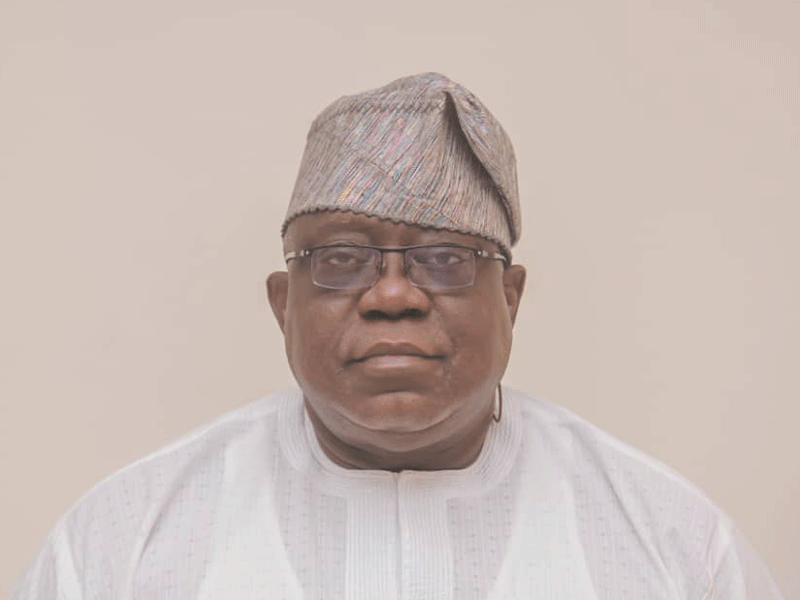
Local Governance is Key to Democracy, Says Prof. Olaopa
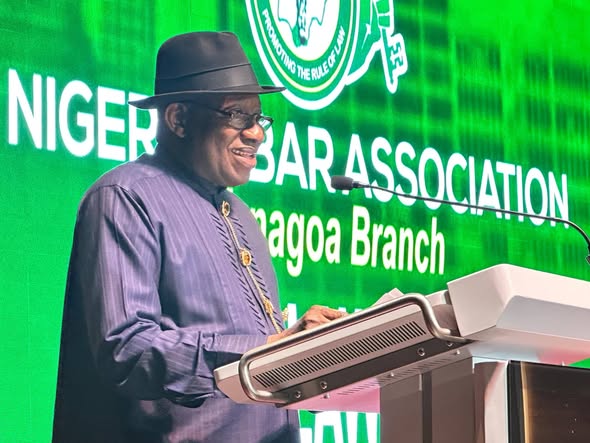
Jonathan Advocates for Strong Institutions in Nigeria
Inclusive Financial Systems Essential for Nigeria's Growth
Agada Addresses Broken Trust in Nigeria's Governance
Get Plus234Feed on messaging apps
Same headlines, delivered where you already scroll.


