

Tinubu's Economic Reforms Transform Nigeria's Financial Landscape

The Independent Media Policy Initiative (IMPI) has highlighted the economic progressivism of President Bola Tinubu as a pivotal factor in lifting Nigeria out of a state of profligacy. According to IMPI, the country, characterized by deep-rooted oligarchic structures, faced significant economic challenges, including a high poverty rate affecting 63 percent of the population, with 133 million people living in multidimensional poverty as of 2022.
Prior to Tinubu's administration, Nigeria was spending approximately 97 percent of its total revenue on debt servicing, a situation described as disastrous. The IMPI identified several key policies implemented by Tinubu's administration since May 2023, including fiscal policy reforms, taxation adjustments, and the removal of fuel subsidies.
These reforms have reportedly led to a significant increase in revenue distribution among the three tiers of government, with a 30 percent increase in the first eleven months of 2024. The reforms are expected to stabilize the economy and redistribute wealth effectively.
Plus234Feed summary based on reporting from Blueprint. Read the original report below.
Read full article
Continue on Blueprint
Get the week in one email
Top stories, NPFL results, the naira — every Friday morning. Free, one email a week.
Related Stories
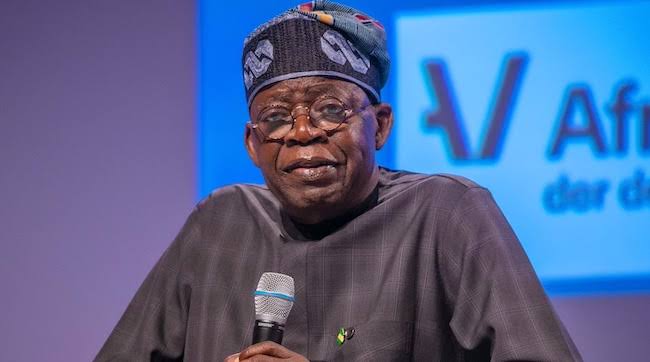
Tinubu's Economic Reforms: A Path to Nigeria's Stability
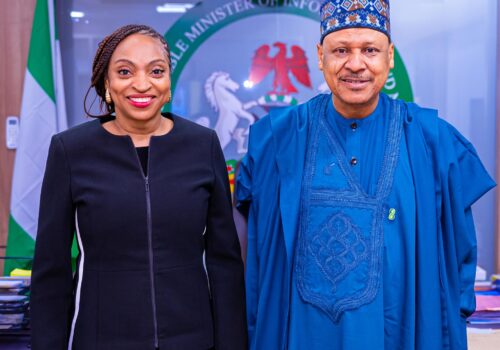
Tinubu's Economic Reforms Yield Positive Results, Says Idris

Tinubu's Economic Reforms: Aiming for Stability and Growth
Tinubu's Economic Reforms Boost Nigeria's Foreign Reserves
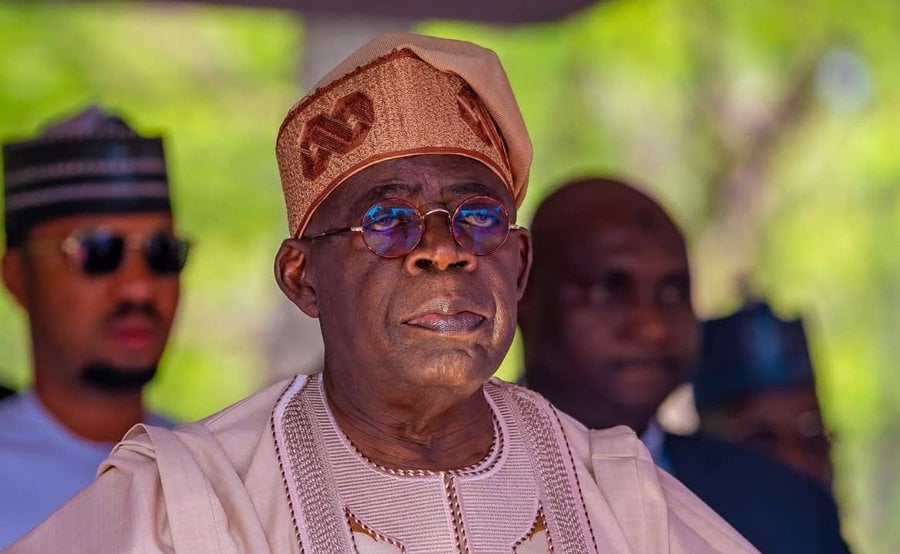
S&P Global: Tinubu's Reforms Drive Nigeria's Economic Growth
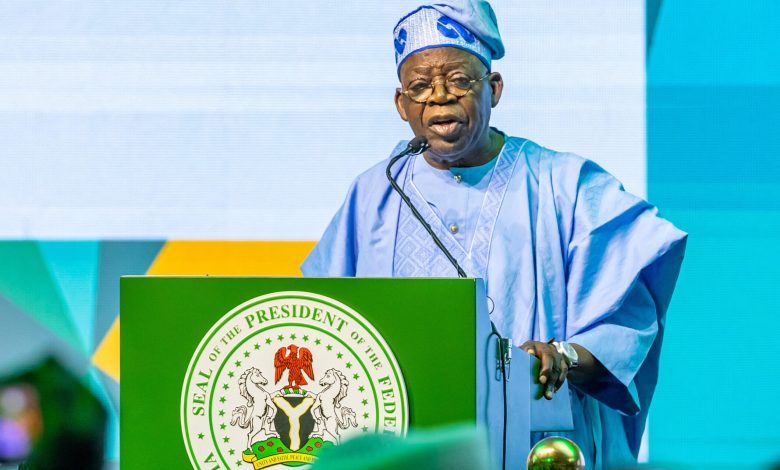
Tinubu Claims Nigeria's Economy is Improving Post-Bankruptcy
Get Plus234Feed on messaging apps
Same headlines, delivered where you already scroll.


