

Tinubu's Economic Reforms: Aiming for Stability and Growth

The article discusses the economic reforms initiated by President Bola Ahmed Tinubu's administration, which began in May 2023 and are expected to continue until February 2026. Upon taking office, Tinubu inherited an economy on the brink, with public debt at 87.4 trillion Naira and debt servicing consuming 100% of government revenue.
The administration's orthodox reforms aim to correct deep structural distortions and mitigate strategies that yield significant macroeconomic dividends, despite inflicting severe short-term hardships. Critics argue that while macroeconomic stabilization is crucial, it is meaningless without transparency and visible investments in human development.
The article emphasizes that the current trajectory of the population bears the brunt of the pain without seeing tangible benefits, calling for radical transparency and structural changes to create jobs and lower living costs. The success of Tinubu's reforms will ultimately be measured by their impact on the everyday lives of Nigerians.
Plus234Feed summary based on reporting from Premium Times. Read the original report below.
Read full article
Continue on Premium Times
Get the week in one email
Top stories, NPFL results, the naira — every Friday morning. Free, one email a week.
Related Stories
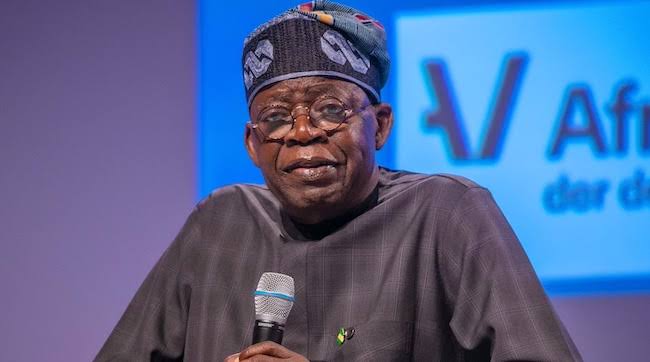
Tinubu's Economic Reforms: A Path to Nigeria's Stability
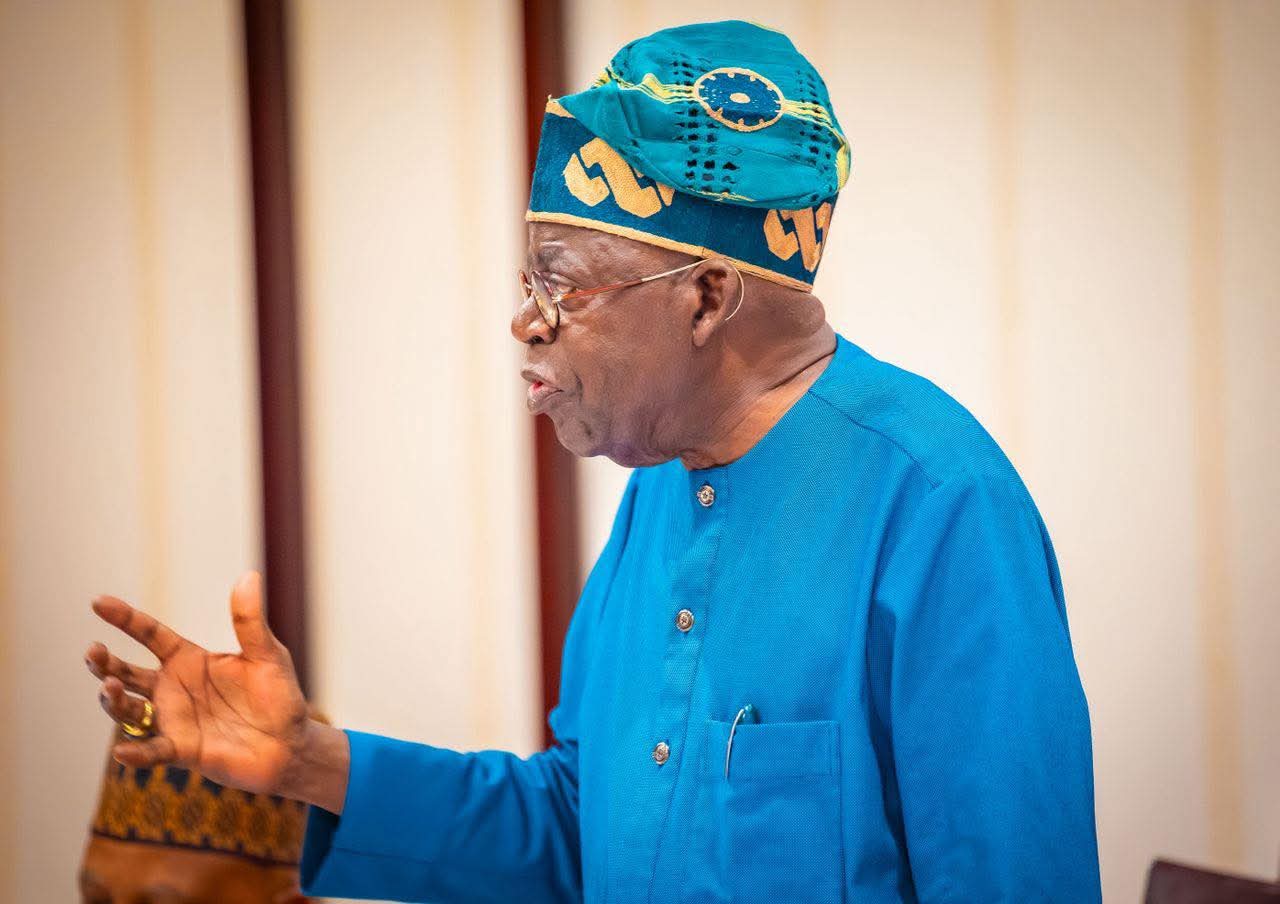
Tinubu's Reforms Boost Nigeria's Real Sector Revenue

Nigeria's Economic Reforms Under President Tinubu
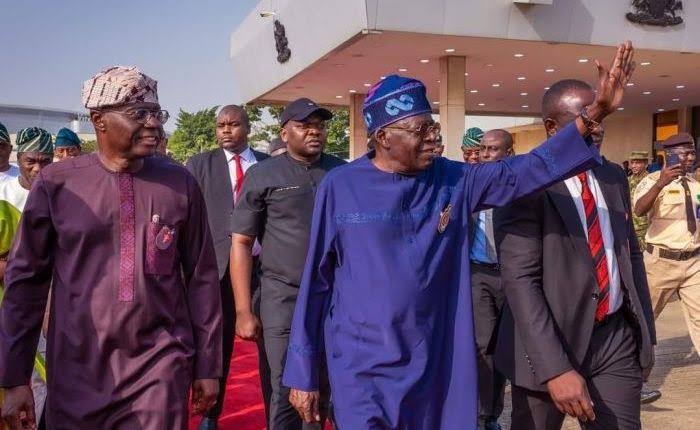
Tinubu Reaffirms Commitment to Nigeria's Economic Reforms
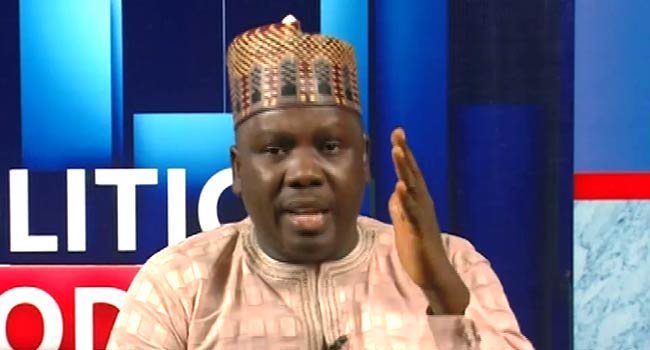
Bwala Defends Tinubu's Economic Reforms Amid Hardship
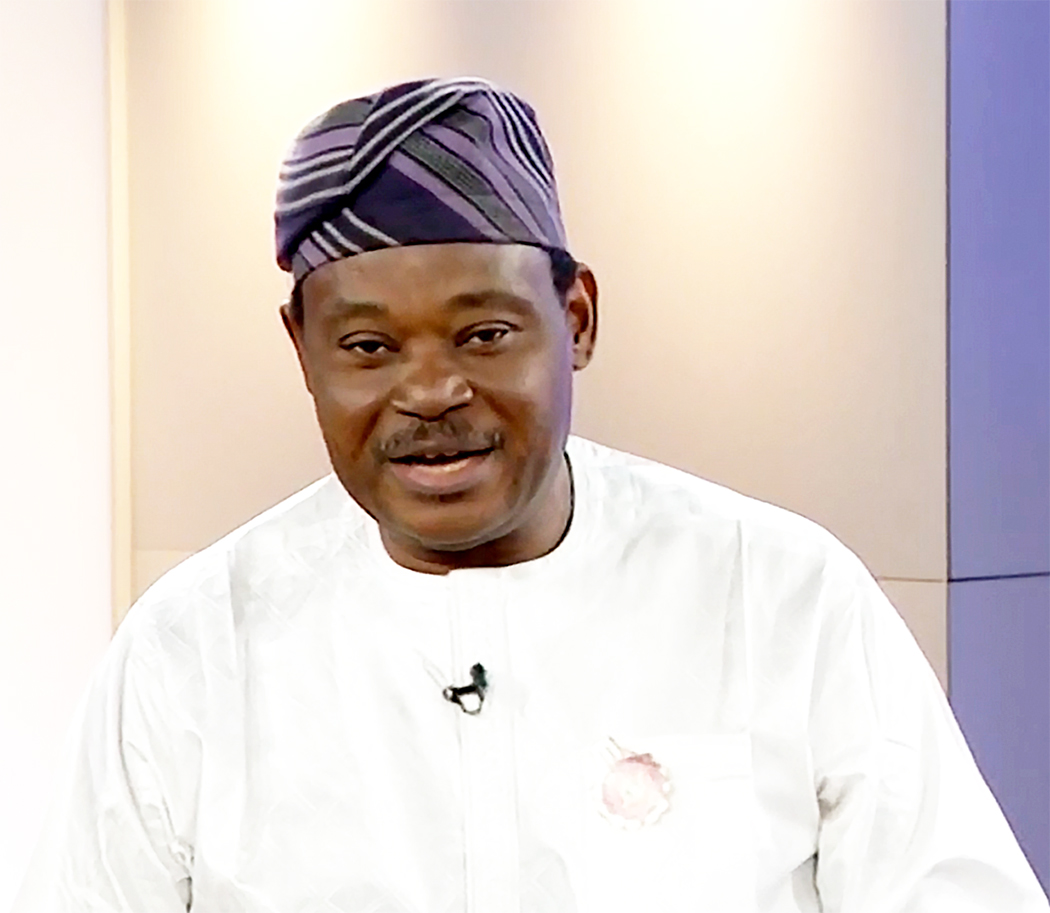
Tinubu's Economic Reforms Will Continue, Says Jimoh Ibrahim
Get Plus234Feed on messaging apps
Same headlines, delivered where you already scroll.


