

IMF Advocates Anti-Tax Avoidance for Emerging Economies
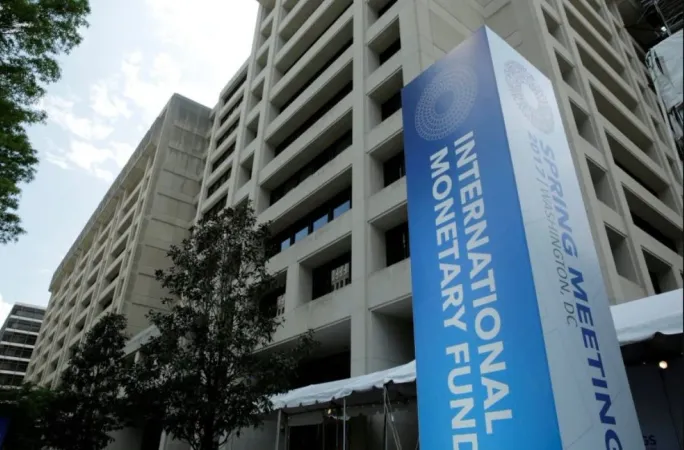
The International Monetary Fund (IMF) has reported that implementing stronger anti-tax avoidance measures could yield substantial benefits for emerging market and developing economies by minimizing profit shifting and safeguarding government revenue. This finding is part of the IMF’s October 2026 World Economic Outlook, which analyzes how international tax rule changes are affecting competition for multinational investments and profits.
The IMF noted that the rise of intangible assets has facilitated profit reporting separation from actual business operations, but new anti-avoidance rules are beginning to alter this trend. The report indicates that competition among countries over corporate tax rates has lessened since the mid-2010s, coinciding with the introduction of stronger regulations to curb tax-base erosion.
The IMF's findings are particularly pertinent to Nigeria, where tax compliance and revenue mobilization remain critical issues, with a report indicating that 99% of Nigeria’s wealthiest individuals are allegedly evading tax obligations.
Plus234Feed summary based on reporting from Nairametrics. Read the original report below.
Read full article
Continue on Nairametrics
Get the week in one email
Top stories, NPFL results, the naira, every Friday morning. Free, one email a week.
Related Stories

IMF Urges Nigeria to Enhance Fiscal and Monetary Reforms

Nigeria's N3.87 Trillion Tax Breaks Under Review

Ex-IMF Expert Calls for Economic Relief for Nigerians

IMF Urges Nigeria to Address High Poverty Amid Growth

IMF Paper: Trade Restrictions Boost Current Accounts

Gas Pipeline Explosion in Rivers State Injures Residents
Get Plus234Feed on messaging apps
Same headlines, delivered where you already scroll.