

IMF: Nigeria's Debt Sustainable, But Tax Revenue Concerns

The International Monetary Fund (IMF) assessed Nigeria's debt level as sustainable, with no immediate risk of distress. However, Dr. Christian Ebek, the IMF's resident representative in Nigeria, expressed concern that 50% of the federal government's tax revenue is used to pay interest on debt, limiting funding for critical sectors like health, education, and social protection.
Nigeria's debt-to-GDP ratio remains in the mid-30% range, which is relatively low compared to peer countries. Ebek noted that a significant portion of Nigeria's external debt consists of concessional loans, reducing exposure to high financing costs.
He emphasized the importance of implementing new tax laws to enhance domestic revenue mobilization, especially in light of high inflation and poverty levels. The IMF also raised concerns about a $5 billion total return swap arrangement approved by the Senate, citing transparency issues and potential hidden costs.
Ebek highlighted the need for Nigeria to maintain access to international capital markets for future financing.
Plus234Feed summary based on reporting from This Day. Read the original report below.
Read full article
Continue on This Day
Get the week in one email
Top stories, NPFL results, the naira — every Friday morning. Free, one email a week.
Related Stories
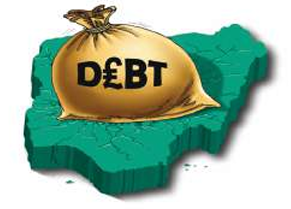
IMF Warns Nigeria on Rising Public Debt Concerns
ActionAid Critiques IMF Over Nigeria's Debt Crisis

Nigeria's Revenue Crisis Fuels Debt Challenges Ahead
IMF Report Highlights Nigeria's Fiscal Challenges for 2026
Nigeria's Debt to Reach $72.6 Billion by 2027, IMF Warns
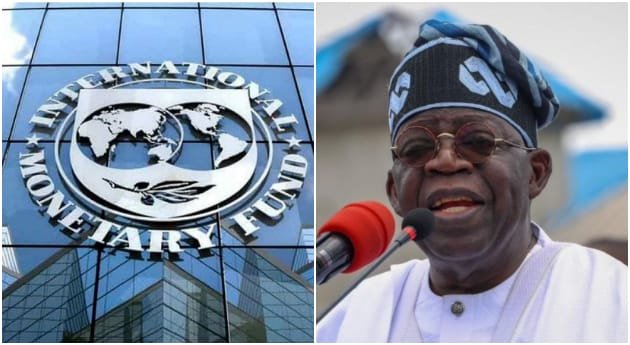
IMF Warns Nigeria on Rising Bad Loans Amid Bank Resilience
Get Plus234Feed on messaging apps
Same headlines, delivered where you already scroll.


