

Nigeria Needs $3 Trillion to Bridge Infrastructure Gap

Nigeria faces a substantial infrastructure deficit, with estimates indicating that the country requires an investment of approximately $3 trillion over the next 30 years to bridge this gap. The World Bank categorizes Nigeria as a middle-income economy, with its total infrastructure stock estimated at 30-35% of its gross domestic product (GDP), which falls short of the 70% benchmark for middle-income economies.
The African Development Bank (AfDB) estimates the infrastructure shortfall at $2-3 trillion, while Dr. Akinwunmi Adesina states that Nigeria needs $15 billion annually over 20 years to address its infrastructure gap. The International Finance Corporation (IFC) suggests a lower figure of $2 trillion over 20 years.
KPMG estimates that Nigeria should spend $14.2 billion annually over ten years, totaling $142 billion to effectively address its infrastructure needs. The current state of infrastructure, including roads, rail, and power supply, significantly hampers economic growth and quality of life for citizens.
Plus234Feed summary based on reporting from This Day. Read the original report below.
Read full article
Continue on This Day
Get the week in one email
Top stories, NPFL results, the naira — every Friday morning. Free, one email a week.
Related Stories
Nigeria Targets $2.3 Trillion for Infrastructure Development

Nigeria Tackles $2.3tn Infrastructure Deficit with Reforms
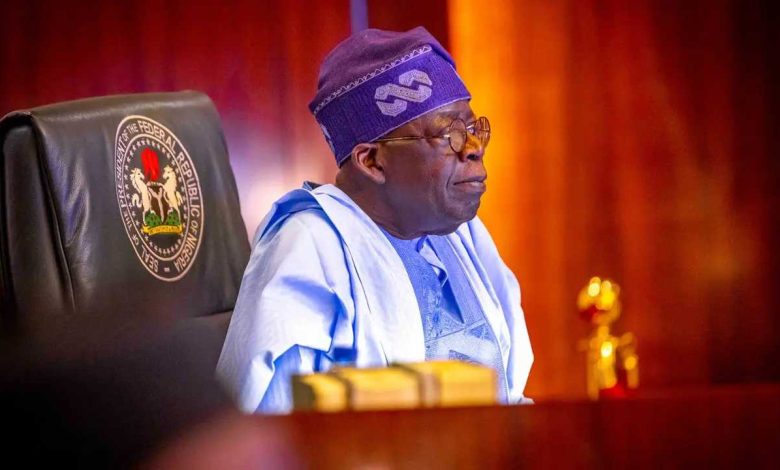
Nigeria's Presidency Borrowing Billions for Infrastructure

Nigeria's Economic Crisis: Tinubu's Debt and Inflation Woes
Tinubu Defends Infrastructure Focus in Renewed Hope Agenda
Nigeria Needs $100 Billion Annually for Infrastructure
Get Plus234Feed on messaging apps
Same headlines, delivered where you already scroll.


