

Nigeria's Economic Crisis: Tinubu's Debt and Inflation Woes

Under President Bola Tinubu's administration, Nigeria has embarked on an unprecedented borrowing spree, accumulating significant debt through loans from the World Bank and other multilateral institutions. Despite claims of improved revenue generation, the reality shows Nigeria classified among the world's largest borrowing countries, alongside Bangladesh and Pakistan.
The government's fiscal policies, including the removal of fuel subsidies without adequate safety nets, have triggered a cost-of-living crisis and rampant inflation, severely affecting citizens' purchasing power. By 2026, debt servicing is projected to consume half of the government's revenue, leaving little for actual development.
The economic hardships are expected to be a major voter grievance in the upcoming 2027 elections, as ordinary citizens continue to endure unprecedented hardship without tangible improvements in essential services such as power, healthcare, and education.
Plus234Feed summary based on reporting from The Authority. Read the original report below.
Read full article
Continue on The Authority
Get the week in one email
Top stories, NPFL results, the naira — every Friday morning. Free, one email a week.
Related Stories
Tinubu's Economic Reforms: Gains and Ongoing Hardships
ADC Criticizes Tinubu's Administration Over Debt Accumulation
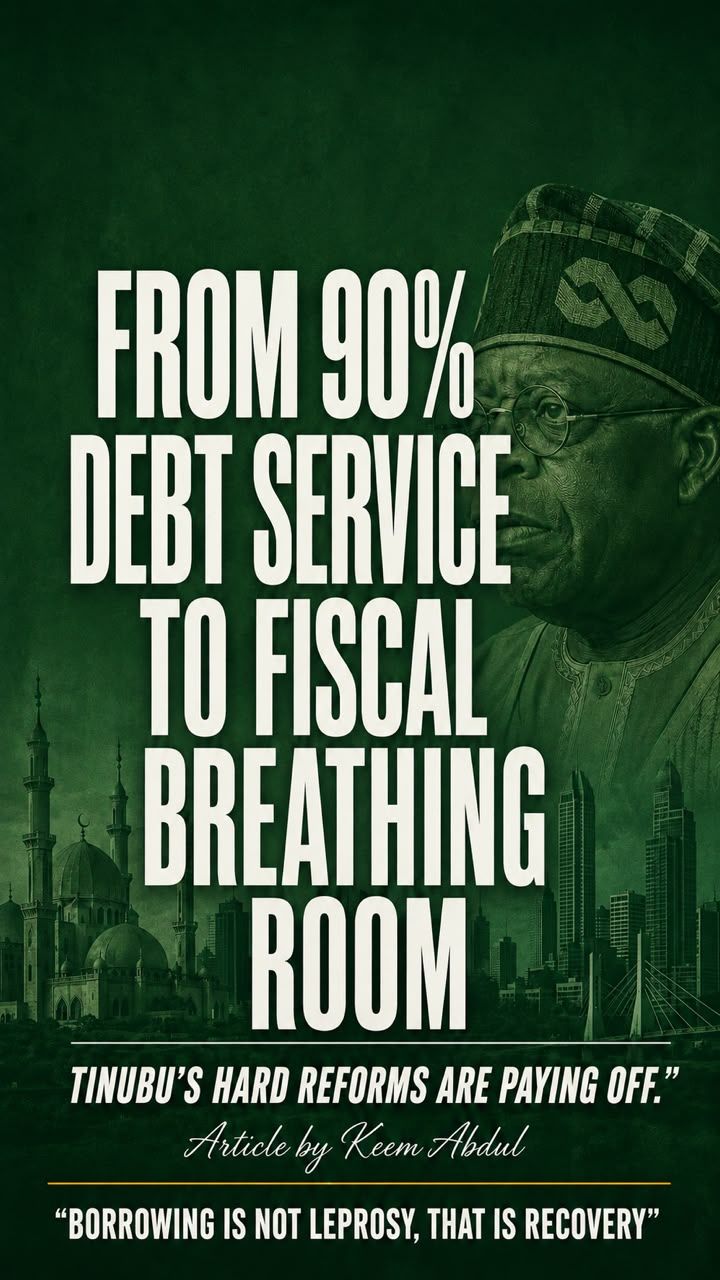
Tinubu's Reforms Aim to Triple Nigeria's Budget Revenue

Tinubu's Economic Reforms: Aiming for Stability and Growth
Obi Criticizes Tinubu Over Nigeria's Rising Debt Crisis
Tinubu Seeks New Loans, Nigeria's Debt to Reach N195 Trillion
Get Plus234Feed on messaging apps
Same headlines, delivered where you already scroll.


