

KPMG: Political Spending to Drive Inflation and Instability

KPMG has indicated that political spending in Nigeria as the country approaches the 2027 general elections will likely result in inflation, foreign exchange instability, and increased cost pressures in 2026. Mr. Oluwol Adelokun, a partner at KPMG West Africa, noted that the ongoing counter-insurgency campaign in Nigeria could heighten risks of sabotage and affect operational continuity, especially in areas with significant geographical spread.
The 2026 budget will be a critical test for the federal government's commitment to macroeconomic reforms amidst potential political spending pressures. KPMG forecasts a growth rate of 4.5% for the Nigerian economy in 2026, supported by less restrictive credit conditions and sustained investment.
Inflation is expected to decline to an annual average of approximately 11% to 13% in 2026, with the naira projected to stabilize at an average of N1,400 per dollar. Additionally, Mr. Lawrenc Amadi from PwC emphasized the importance of embedding AI in governance processes to enhance decision-making.
Plus234Feed summary based on reporting from This Day. Read the original report below.
Read full article
Continue on This Day
Get the week in one email
Top stories, NPFL results, the naira — every Friday morning. Free, one email a week.
Related Stories
PwC Report: Delayed Budget Releases in 2025 Impacted Nigeria's Investment Drive, Urges Fiscal Reforms
IMF Projects 4.4% Economic Growth for Nigeria in 2026 Amid Budget Delays and Election Risks
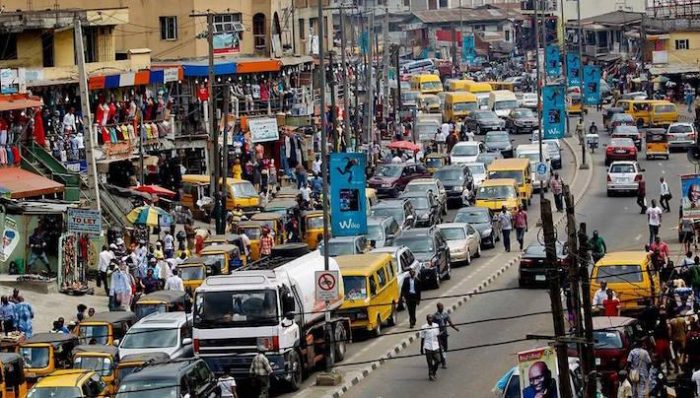
Nigeria's Economy in 2026: Key Issues and Challenges Revealed
Norrenberg Report Forecasts Significant Policy Rate Cuts in 2026, Positive Investment Outlook in Nigeria
IMF Forecasts 4.4% Growth for Nigeria in 2026, Flags Inflation Concerns
Nigeria Faces Inflation Spike Amid Middle East Conflicts
Get Plus234Feed on messaging apps
Same headlines, delivered where you already scroll.


