

Nigeria Faces Inflation Spike Amid Middle East Conflicts

Experts forecast a significant rise in consumer goods prices in Nigeria throughout 2026, driven by ongoing conflicts in the Middle East, particularly between the United States, Israel, and Iran. This situation has already pushed global oil prices above $100 per barrel, resulting in increased fuel costs that impact local manufacturing.
The conflict, which began in February 2026 with U.S. and Israeli strikes on Iran due to failed nuclear talks, is expected to have long-term economic effects, particularly on the cost of living. Former President of the Nigerian Association of Chambers of Commerce, Industry, Mines and Agriculture (NACCIMA) highlighted that the war's impact is already evident through higher diesel prices, affecting approximately 139 million Nigerians living in poverty.
The CEO of Duchess Group noted that escalating fuel costs dramatically affect product costs for local businesses. Reports indicate that food prices, such as tomatoes and onions, have surged significantly.
Despite rising costs, Finance Minister Wale Edun emphasized the administration's economic strategies to ease living costs without reversing existing reforms.
Plus234Feed summary based on reporting from Nairametrics. Read the original report below.
Read full article
Continue on Nairametrics
Get the week in one email
Top stories, NPFL results, the naira — every Friday morning. Free, one email a week.
Related Stories
Rising Middle East Tensions Threaten Nigeria's Fuel Prices
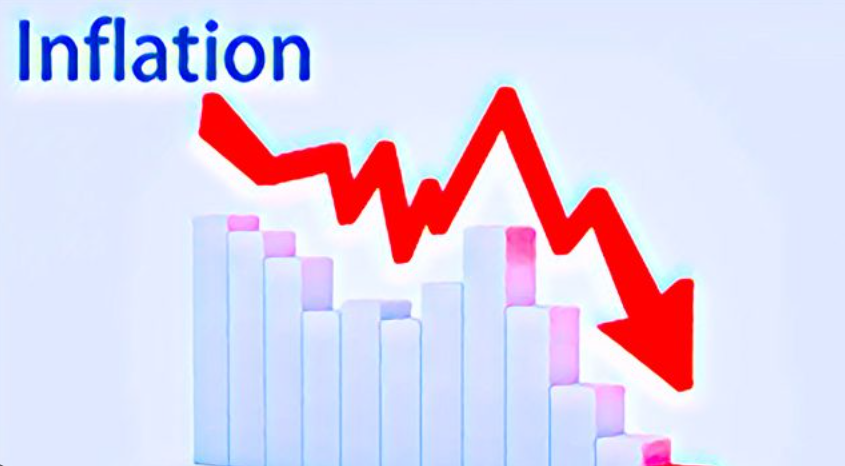
Nigeria Faces Inflation as Brent Crude Hits $112 Per Barrel

Middle East Crisis May Boost Nigeria's Oil Revenue
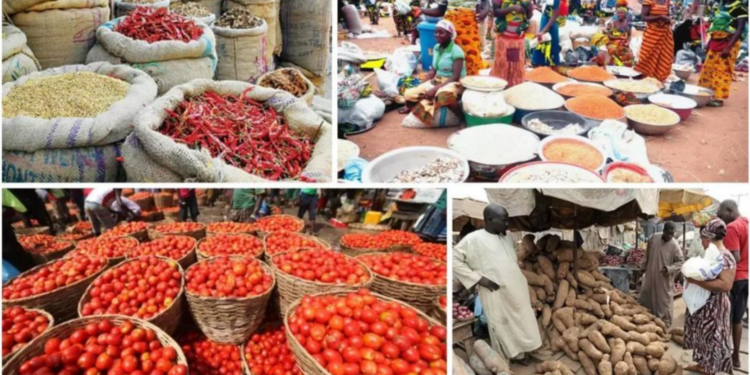
Nigeria's January 2026 Inflation Rate Forecasted to Rise
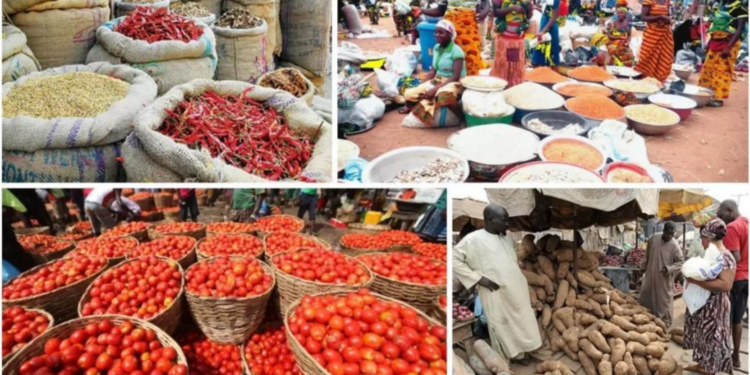
Nigeria's Inflation Rate Hits 15.38% in March 2026
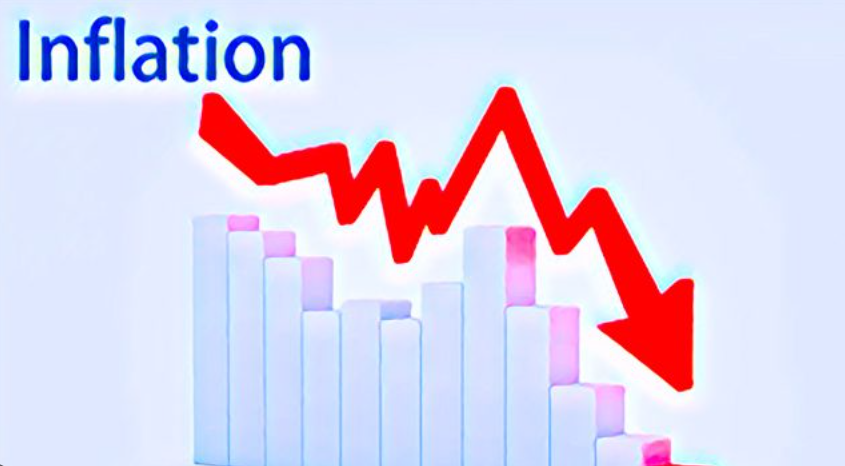
Energy Shocks Drive Inflation Rise in Nigeria to 15.38%
Get Plus234Feed on messaging apps
Same headlines, delivered where you already scroll.


