

Makoko Demolition Reveals Environmental, Human, and Economic Costs of Urbanization

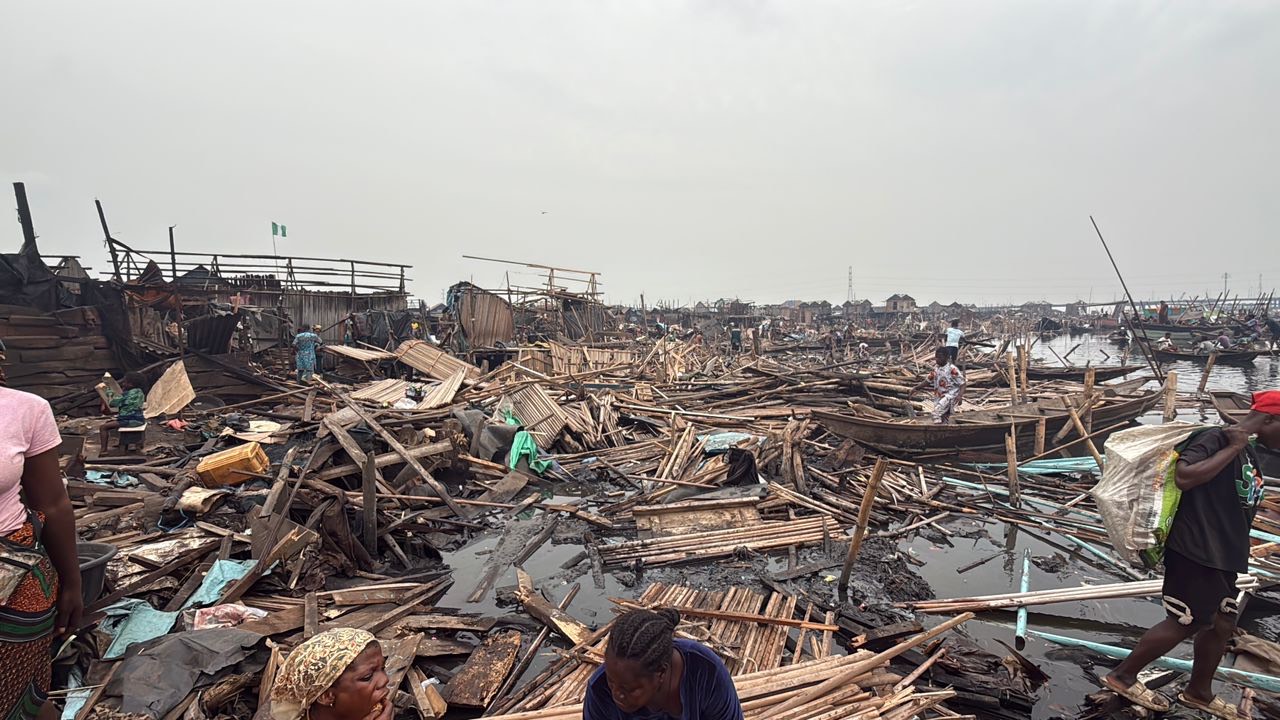
The Lagos State Government initiated the demolition of Makoko, a historic waterfront settlement, citing safety concerns related to power lines. The demolition displaced thousands of residents, sparking environmental, human, and economic repercussions.
Evangelist Isaac and other residents expressed distress over the sudden demolitions, impacting schools, churches, and homes. Gbolahan Oki, the Permanent Secretary of Urban Development, defended the government's actions as necessary for residents' safety.
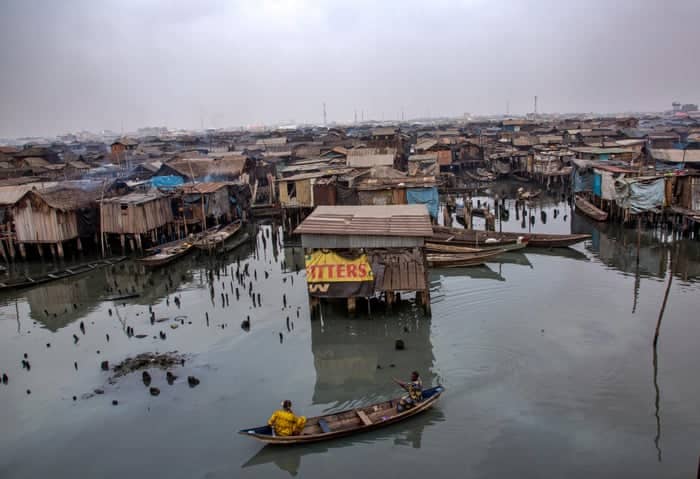
Makoko, established in the 19th century, faced environmental challenges like sewage disposal and limited healthcare access. The government's urban renewal efforts have been ongoing since 2005, with concerns raised about the long-term intentions behind the demolitions and land reclamations near Makoko.
Plus234Feed summary based on reporting from This Day. Read the original report below.
Read full article
Continue on This Day
Get the week in one email
Top stories, NPFL results, the naira — every Friday morning. Free, one email a week.
Related Stories
Lagos State Government's Makoko Demolition Sparks Outrage and Safety Concerns

Lagos State Government Clarifies Demolition of Makoko Community for Safety and Urban Development

CSOs Demand Immediate Development for Makoko Safety
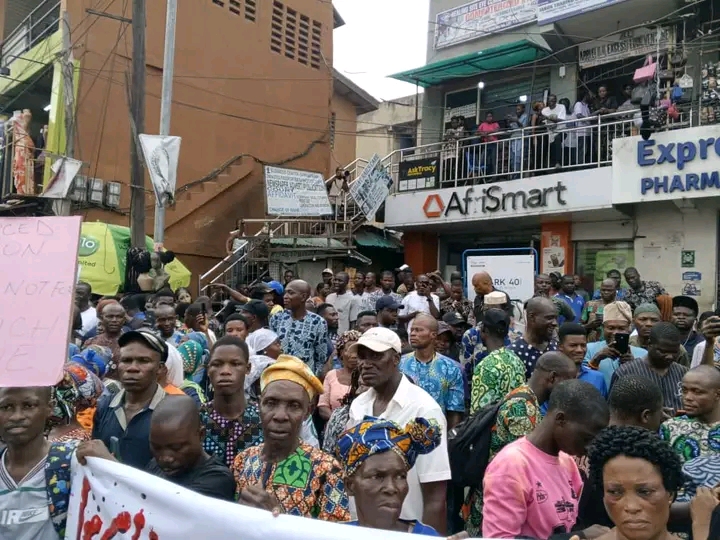
Makoko Residents Protest Demolitions and Forced Evictions in Lagos

Lagos Lawmakers Visit Makoko Amid Residents' Outcry Over Demolitions
Lagos Housing Crisis Threatens Makoko Community Stability
Get Plus234Feed on messaging apps
Same headlines, delivered where you already scroll.


