

Naira Faces Continued Pressure in Black Market FX

As of March 30, 2026, the Nigerian naira remains under significant pressure in the black market, trading at 1,405 naira per USD and 1,620 naira per euro. Despite a slight recovery, the currency's instability is attributed to ongoing structural challenges within Nigeria's foreign exchange landscape.
The Central Bank of Nigeria (CBN) has been criticized for frequent regulatory shifts that create uncertainty for businesses and investors. Scarcity of forex supplies, coupled with strong demand for imports and travel, exacerbates the situation.
Analysts note that the naira's weakness directly affects daily economic realities, pushing prices up across essential sectors such as food, transportation, and healthcare. The persistent decline in purchasing power intensifies financial strain on households and small businesses.
To achieve sustainable recovery, analysts warn that structural adjustments and clearer policies aimed at improving export performance and restoring investor confidence are necessary. The black market continues to serve as a critical barometer of market sentiment, reflecting the pressures shaping Nigeria's economic landscape.
Plus234Feed summary based on reporting from Federal Character. Read the original report below.
Read full article
Continue on Federal Character
Get the week in one email
Top stories, NPFL results, the naira — every Friday morning. Free, one email a week.
Related Stories

Naira Faces Continued Pressure in Black Market FX Trading

Naira Faces Pressure in Black Market Amid Economic Instability

Naira Faces Ongoing Pressure in Black Market FX Trading

Central Bank of Nigeria Lowers Monetary Policy Rate to 23%
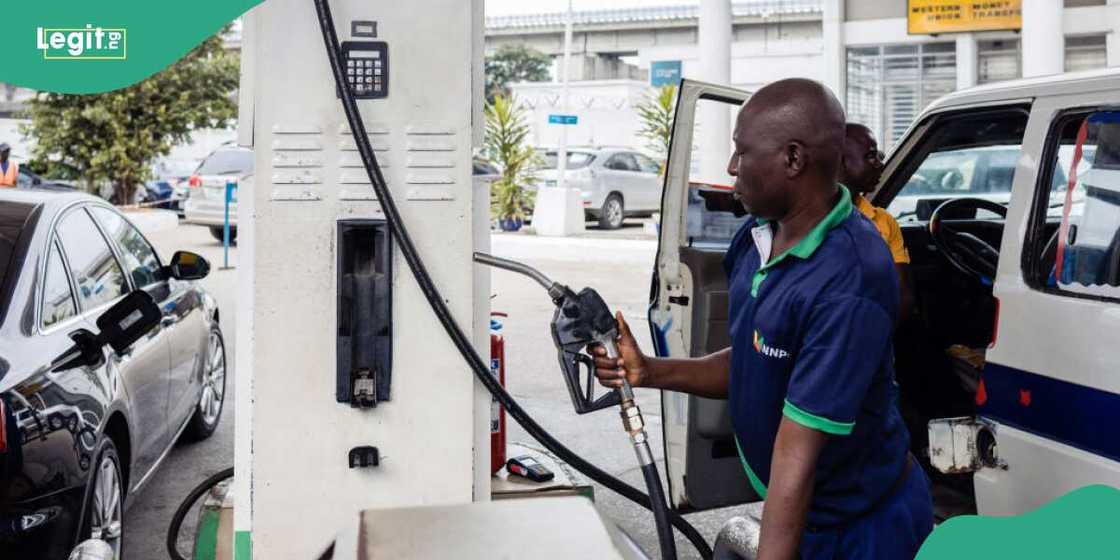
Crude Oil Prices Surge, Impacting Nigerian Fuel Costs
CBN Launches Campaign in Kano to Promote Naira Dignity
Get Plus234Feed on messaging apps
Same headlines, delivered where you already scroll.


