

Nigeria's Economy Faces Challenges Amid Middle East Crisis
The article discusses the implications of the Middle East crisis on Nigeria's economy, particularly in relation to crude oil prices. As tensions rise due to conflicts involving Iran and Israel, analysts predict that crude oil prices could exceed $100 per barrel, significantly affecting global energy supplies.
Nigeria, a major oil producer, is already grappling with rising energy costs, which are putting pressure on household expenses. Experts, including Stevenson Odusanya and Ben Owolek, highlight that while Nigeria may see increased export revenue from higher oil prices, the country's reliance on imported refined fuel and suboptimal refinery operations could lead to higher domestic fuel prices, exacerbating inflation.
The article draws parallels to the Gulf War, which previously resulted in substantial oil windfalls for Nigeria but also highlighted issues of fiscal discipline and transparency in managing such revenues. The current situation poses a risk of repeating past mistakes, with experts cautioning that Nigeria's oil sector structure limits the potential benefits of rising crude prices.
Plus234Feed summary based on reporting from Daily Trust. Read the original report below.
Read full article
Continue on Daily Trust
Get the week in one email
Top stories, NPFL results, the naira — every Friday morning. Free, one email a week.
Related Stories

Middle East Crisis May Boost Nigeria's Oil Revenue

Middle East Conflict's Impact on Nigerian Businesses
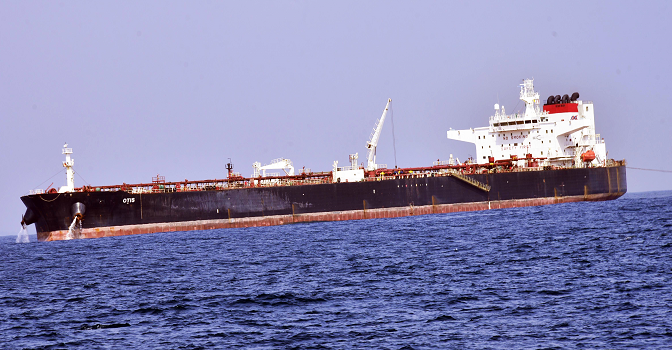
Gulf Conflict Drives Oil Prices, Impacts Nigeria's Economy

Middle East Crisis Impacts Africa's Oil Economies

Nigeria's Economy Threatened by Middle East Conflict
IMF: Higher Oil Prices May Boost Nigeria's Economy
Get Plus234Feed on messaging apps
Same headlines, delivered where you already scroll.


