

Nigeria's Economy Threatened by Middle East Conflict

The Centre for the Promotion of Private Enterprise (CPPE) has highlighted that Nigeria is experiencing a double-edged impact from the ongoing conflict in the Middle East, particularly due to rising oil prices and foreign exchange (FX) volatility. The report indicates that the conflict involving Iran, the United States, and Israel has heightened fears of disruptions in the Strait of Hormuz, a vital corridor for nearly 20% of global crude supply.
Nigeria's economy, which relies heavily on oil—accounting for 85% of export earnings and half of government revenue—faces significant implications from these geopolitical shocks. The CPPE notes that higher oil receipts typically exert pressure on the naira, potentially boosting FX liquidity.
However, global risk aversion may drive investors toward safe-haven assets, leading to capital outflows from emerging markets like Nigeria. The report emphasizes the need for fiscal prudence and warns against historical cycles of spending booms followed by fiscal stress, recommending that part of any oil windfall be saved and that refining capacity be accelerated to support social protection.
Plus234Feed summary based on reporting from Nairametrics. Read the original report below.
Read full article
Continue on Nairametrics
Get the week in one email
Top stories, NPFL results, the naira — every Friday morning. Free, one email a week.
Related Stories
Nigeria's Economy Faces Challenges Amid Middle East Crisis
IMF: Higher Oil Prices May Boost Nigeria's Economy

Middle East Conflict's Impact on Nigerian Businesses
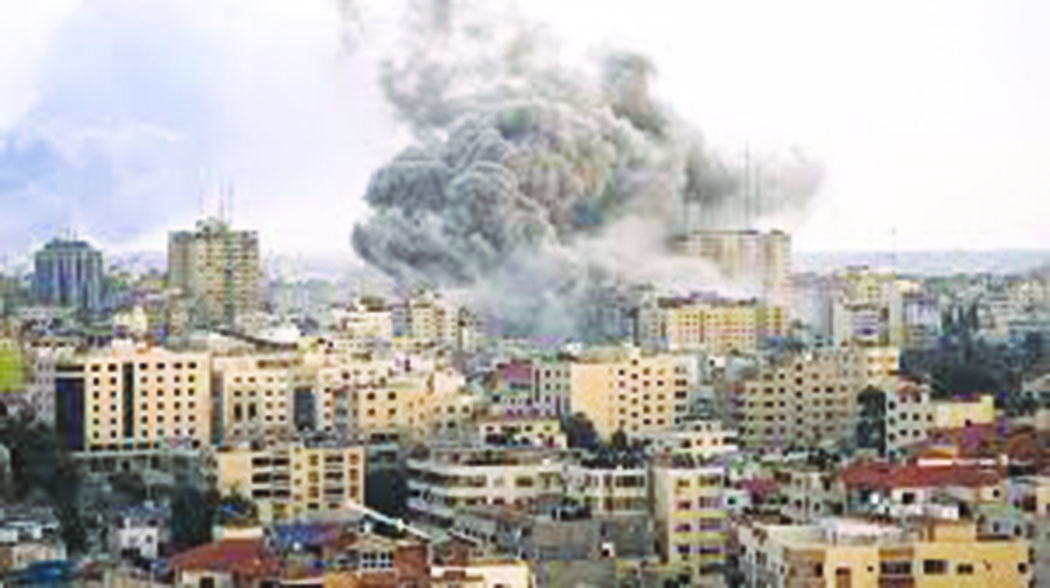
Middle East Conflict Drives Fuel Prices Up in Nigeria

Cardoso: Middle East Conflict Threatens Nigeria's Economy
Rising Middle East Tensions Threaten Nigeria's Fuel Prices
Get Plus234Feed on messaging apps
Same headlines, delivered where you already scroll.


