

Nigeria's Textbook Ranking Policy Sparks Controversy

The Nigerian government's proposed textbook ranking policy, championed by Minister of Education Dr. Tunji Alausa, has ignited significant debate within the educational publishing sector. The Nigerian Publishers Association (NPA) argues that the policy undermines decades of progress in educational publishing and threatens job creation.
Concerns have been raised about the potential for the policy to weaken the educational system rather than strengthen it. The new ranking system, set to be implemented by September 2026, aims to standardize quality and reduce costs but has faced pushback for insufficient consultation and transparency.
Critics argue that the policy could create monopolistic conditions, limit competition, and lead to mass layoffs in the publishing industry. The NPA estimates that the assessment and ranking process could impose significant costs on publishers, further complicating the educational landscape.
The policy's implementation timeline and its effects on various stakeholders, including students and parents, remain contentious issues.
Plus234Feed summary based on reporting from Blueprint. Read the original report below.
Read full article
Continue on Blueprint
Get the week in one email
Top stories, NPFL results, the naira — every Friday morning. Free, one email a week.
Related Stories
Nigeria's Textbook Ranking Policy Sparks Controversy
Publishers Warn Against New Textbook Ranking Policy

Nigeria's New Book Ranking Policy Faces Industry Backlash
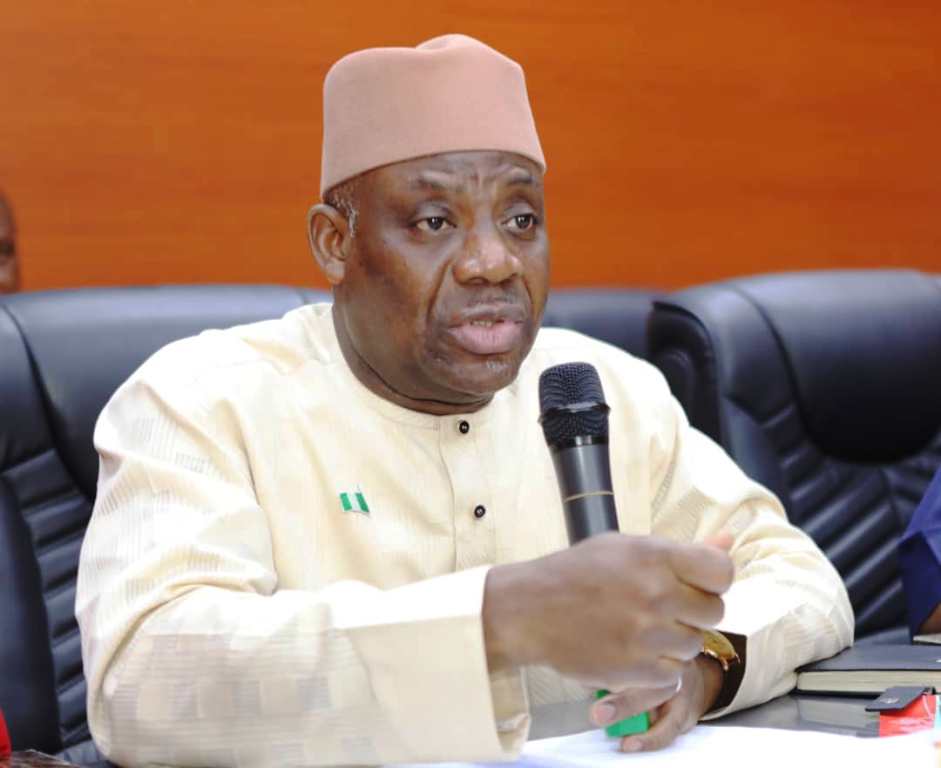
Nigeria Launches National Textbook Ranking System for Schools
Publishers Condemn 300% Hike in Textbook Fees in Nigeria
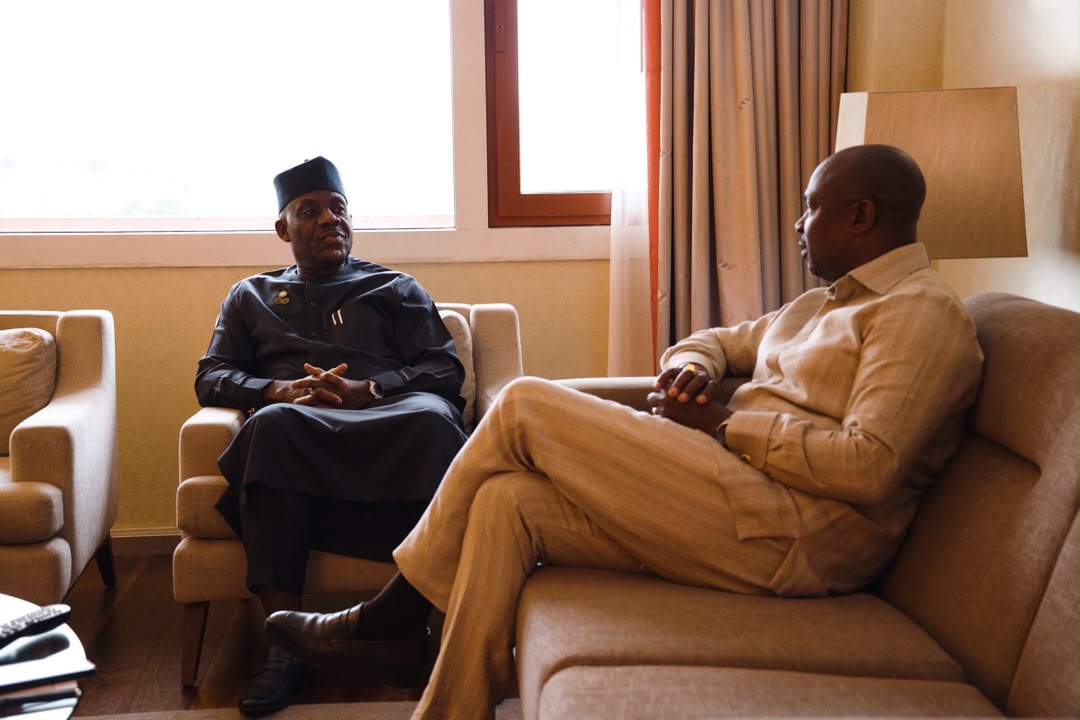
Nigeria's Education Minister Earns Global Praise for Reforms
Get Plus234Feed on messaging apps
Same headlines, delivered where you already scroll.


