

Nigeria's 66th Independence: A Struggle with Paradoxes

On 1 October 1960, Nigeria gained independence, symbolizing immense promise. Sixty-six years later, the nation grapples with fundamental issues despite its rich resources, including oil, gas, and human talent.
The paradox lies in the contrast between Nigeria's potential and its struggles with leadership, poverty, and infrastructure. Leadership has historically failed to meet the nation's challenges, resulting in widespread poverty and a lack of productive opportunities for the youth.
The electricity crisis exemplifies Nigeria's developmental challenges, with reliance on generators highlighting public inadequacies. Insecurity from insurgency, banditry, and communal violence disrupts agriculture and commerce, exacerbating food supply issues.
Healthcare and education face disparities, while corruption undermines institutional confidence. The article underscores the need for effective leadership to convert Nigeria's resources into tangible improvements in citizens' lives.
Plus234Feed summary based on reporting from This Day. Read the original report below.
Read full article
Continue on This Day
Get the week in one email
Top stories, NPFL results, the naira — every Friday morning. Free, one email a week.
Related Stories
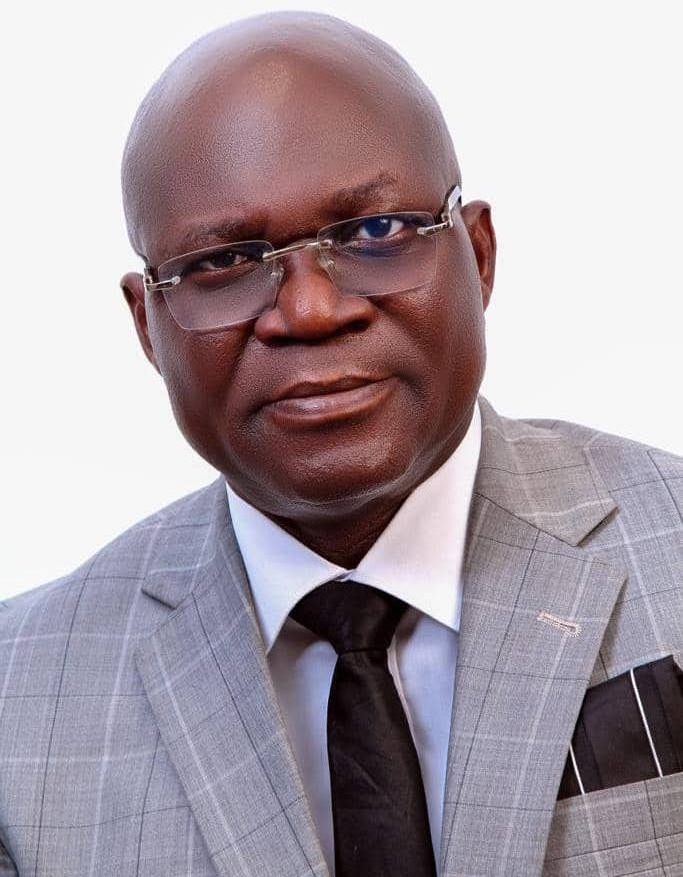
President Tinubu's Absence Raises Governance Concerns
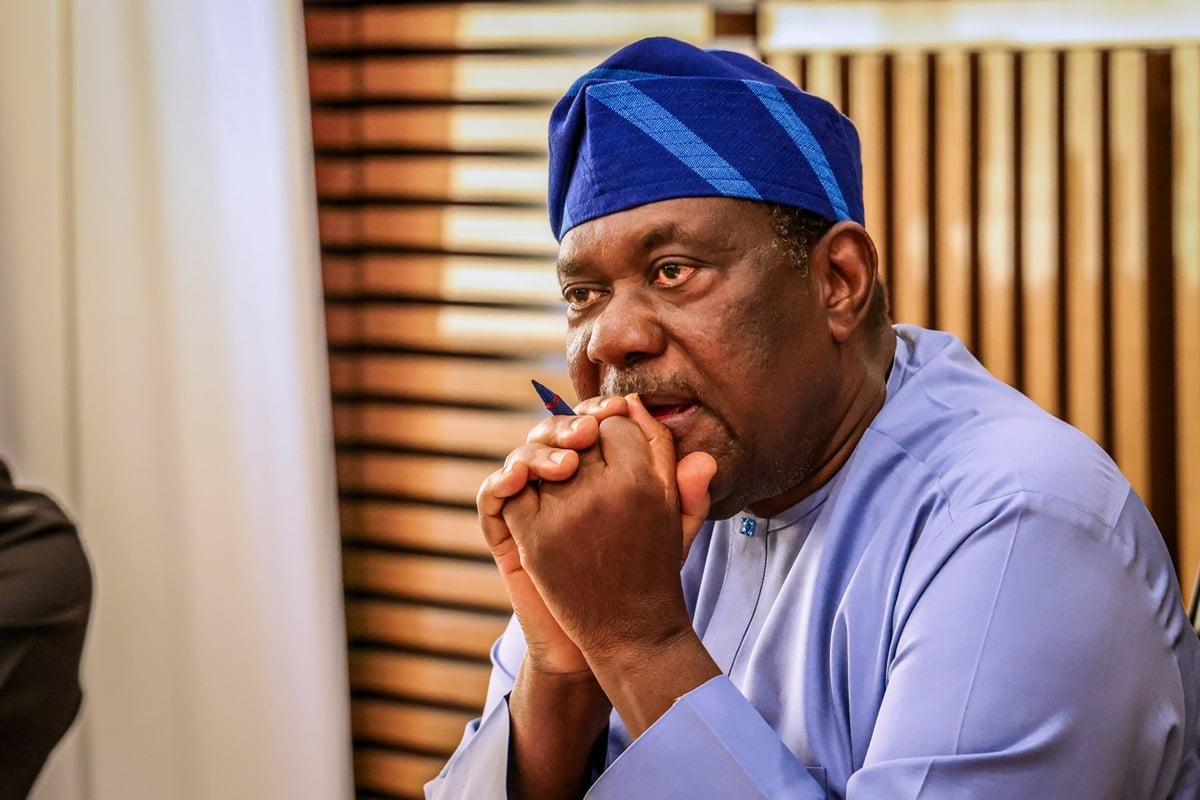
Nigeria's Government Celebrates 66 Years of Progress Amid Challenges
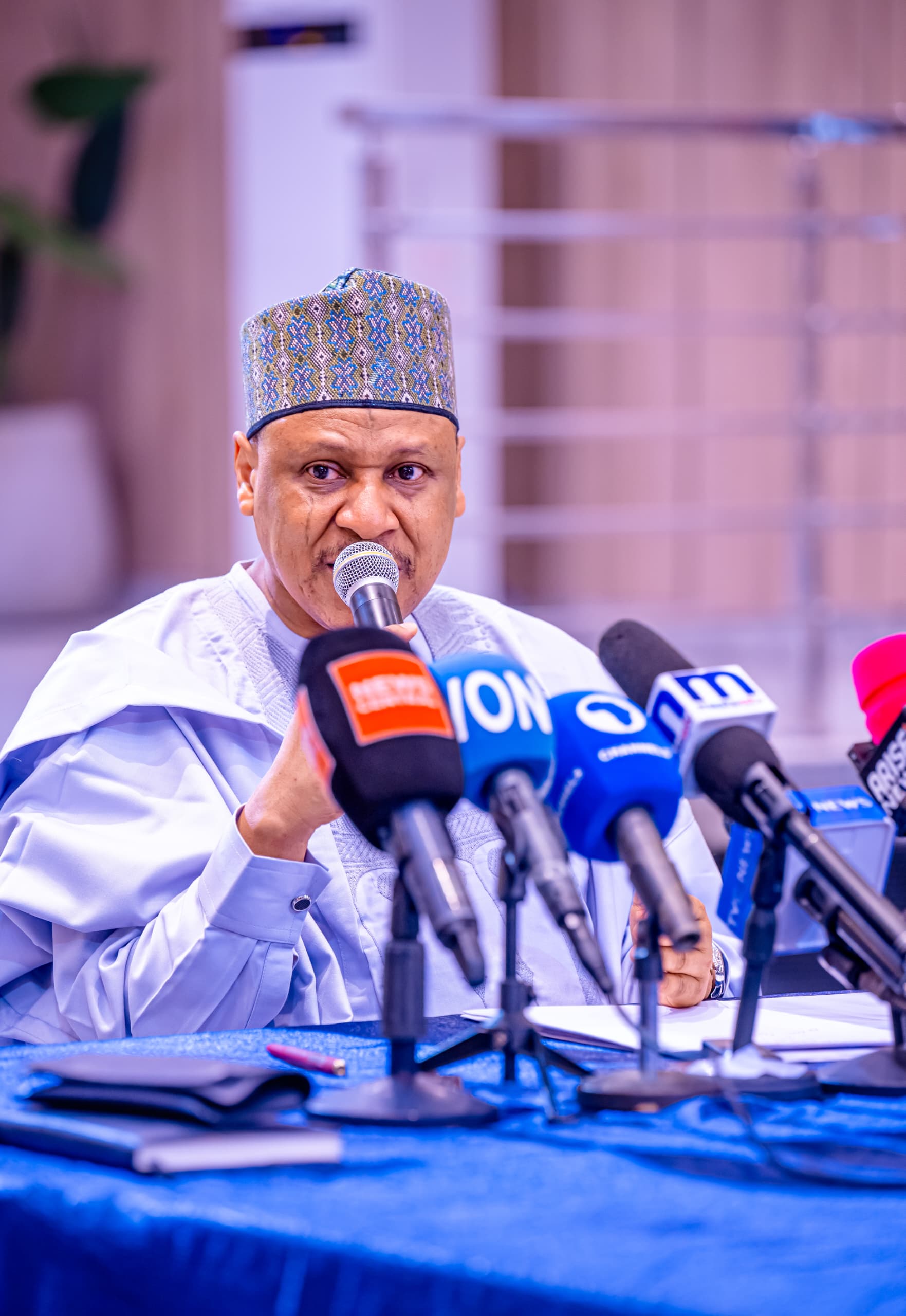
Nigeria's Government Commits to Economic Reforms for Growth
Tinubu Encourages Hope for Nigeria's Future at 66th Anniversary

CPPE Advocates for Productivity Growth in Nigeria's Economy
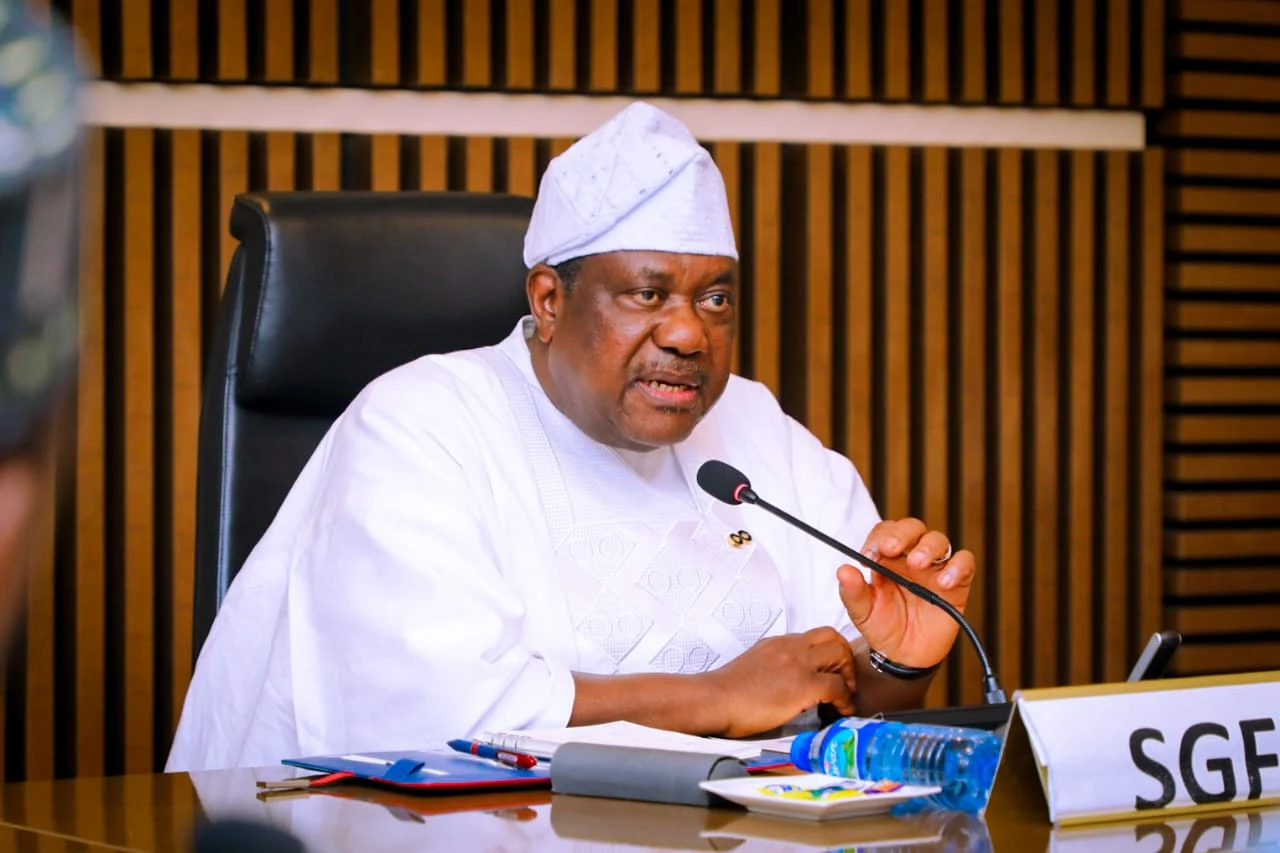
Nigeria's Government Plans Low-Key 66th Independence Day
Get Plus234Feed on messaging apps
Same headlines, delivered where you already scroll.


