
Nigeria's Economic Growth Hindered by Power Sector Issues

Nigeria has struggled to convert its vast natural, human, and productive resources into sustained economic prosperity since gaining independence on October 1, 1960. Key challenges include policy inconsistencies, market failures, lack of political will, and corruption, which have stunted industrialization and weakened domestic production.
This has resulted in a heavy reliance on imports, making the economy vulnerable to external shocks and fluctuations in global commodity prices. The slow pace of industrialization has also contributed to inadequate job creation for the youth population and persistent poverty.
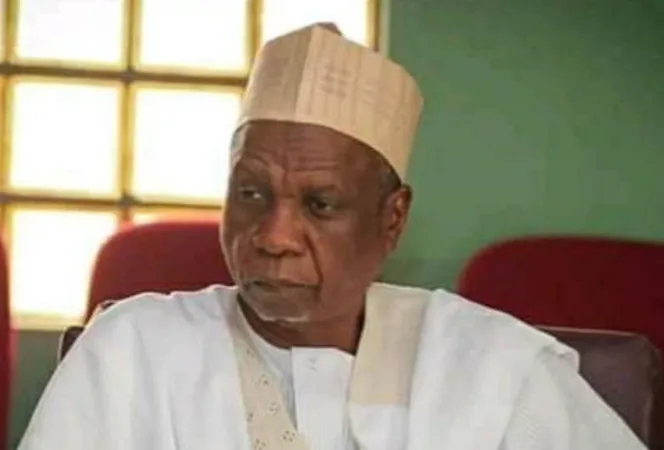
The harsh business environment, characterized by difficulties in obtaining electricity, registering property, and paying taxes, further deters investment. The Minister of Power, Joseph Tegbe, faced criticism for being misled by claims of adequate electricity supply, highlighting ongoing issues in the power sector that hinder economic development.
Plus234Feed summary based on reporting from This Day. Read the original report below.
Read full article
Continue on This Day
Get the week in one email
Top stories, NPFL results, the naira, every Friday morning. Free, one email a week.
Related Stories
Tinubu's Economic Reforms Amid Nigeria's Independence Reflection
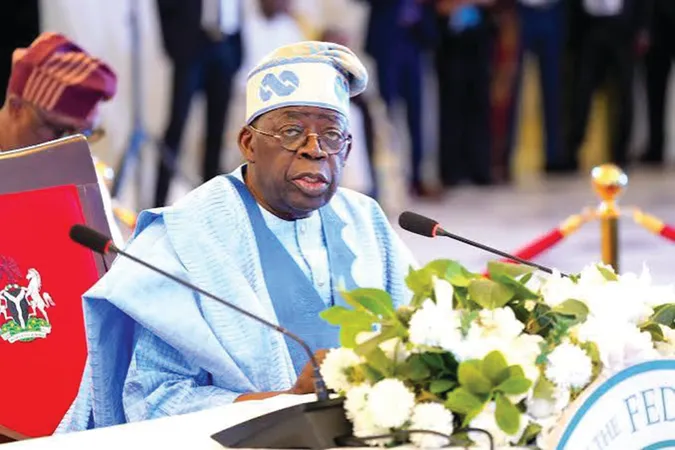
President Tinubu Addresses Nigeria's Economic Challenges at 66

Nigeria's 66th Anniversary: Resilience and Institutional Challenges

CPPE Advocates for Productivity Growth in Nigeria's Economy

CPPE Urges Nigeria to Focus on Productivity Amid Economic Reforms

Nigeria's 66 Years of Independence Marked by Corruption
Get Plus234Feed on messaging apps
Same headlines, delivered where you already scroll.