

Nigeria's Climate Goals Challenged by Gas Flaring Issues

Nigeria has pledged to achieve net zero emissions by 2060 and submitted an updated climate commitment under the Paris Agreement, aiming to reduce greenhouse gas emissions by 20% unconditionally and 47% conditionally by 2030. The energy transition plan launched in 2021 outlines a pathway for gradual decarbonization, yet Nigeria remains one of the largest gas flaring countries globally.
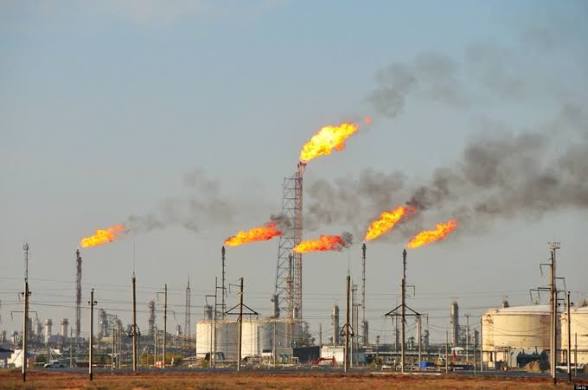
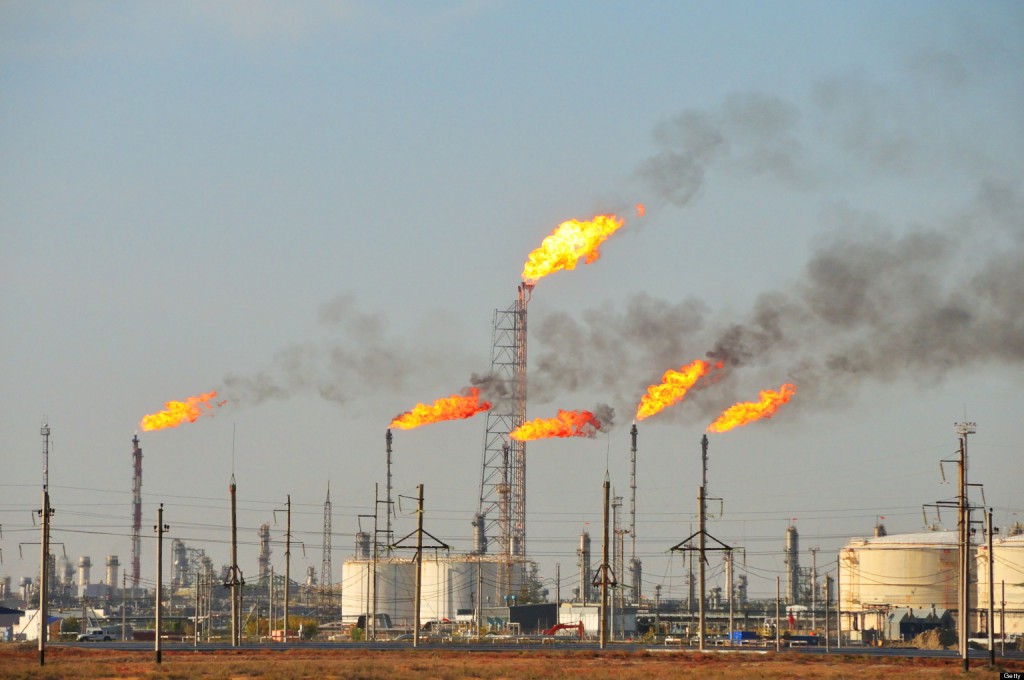
In 2019, Nigeria flared 7.83 billion cubic meters (bcm) of gas, and in 2023, this figure was 5.83 bcm, representing an energy value of nearly $1.89 billion. Despite regulatory efforts, the country has seen a 12% increase in gas flaring in 2024, raising questions about the effectiveness of its climate policies.
The Petroleum Industry Act (PIA) of 2021 introduced reforms to the oil and gas sector, but the enforcement of gas flaring regulations remains uncertain, with previous deadlines repeatedly postponed.
Plus234Feed summary based on reporting from This Day. Read the original report below.
Read full article
Continue on This Day
Get the week in one email
Top stories, NPFL results, the naira — every Friday morning. Free, one email a week.
Related Stories
Nigeria's Gas Flaring Crisis: $2.5 Billion Annual Losses
Nigeria's Gas Output Surges 8% to 2.706 Trillion scf in 2025, Flaring Increases: Report
Nigeria's Gas Flaring Crisis: Compliance Challenges Persist

NCCC Advocates Natural Gas as Africa's Bridge Fuel
Nigeria Targets 12 Bcf Daily Gas Output by 2030

Stakeholders Urge Action on Gas Decarbonisation in Africa
Get Plus234Feed on messaging apps
Same headlines, delivered where you already scroll.


