

Nigeria's Gas Flaring Crisis: Compliance Challenges Persist

Nigeria has one of the highest rates of gas flaring globally, despite decades of legislation aimed at curbing the practice. The Petroleum Industry Act (PIA) establishes a regulatory framework that prohibits gas flaring without explicit permission and mandates upstream operators to submit gas utilization plans.
However, enforcement of these regulations by the Nigerian Upstream Petroleum Regulatory Commission (NUPRC) is hindered by financial disincentives, as capturing and transporting gas is often more costly than paying penalties for flaring. The PIA includes provisions for penalties against unauthorized flaring, but these are not consistently enforced, particularly for larger operations.
The regulatory framework allows for flexibility in issuing flare permits under certain conditions, which can lead to routine waivers and lack of transparency. Additionally, the PIA introduces a chapter aimed at addressing environmental and social impacts but does not prohibit flaring outright.
The slow implementation of these regulations and the lack of community engagement further complicate the situation, leaving Nigeria's gas flaring framework heavily permissive.
Plus234Feed summary based on reporting from Premium Times. Read the original report below.
Read full article
Continue on Premium Times
Get the week in one email
Top stories, NPFL results, the naira — every Friday morning. Free, one email a week.
Related Stories
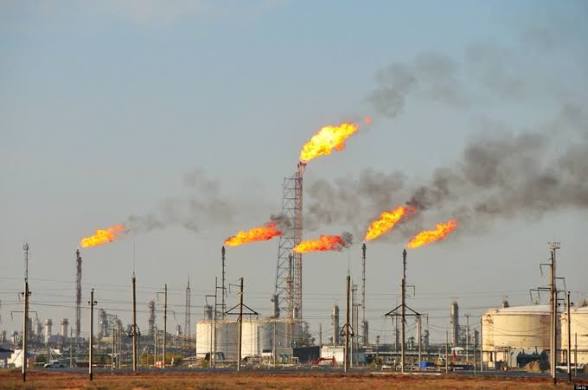
Nigeria's Gas Flaring Crisis: $2.5 Billion Annual Losses

NUPRC Approvals Impact Energy Companies in Nigeria's Oil Sector
Nigeria's Gas Output Surges 8% to 2.706 Trillion scf in 2025, Flaring Increases: Report

Nigeria's Climate Goals Challenged by Gas Flaring Issues
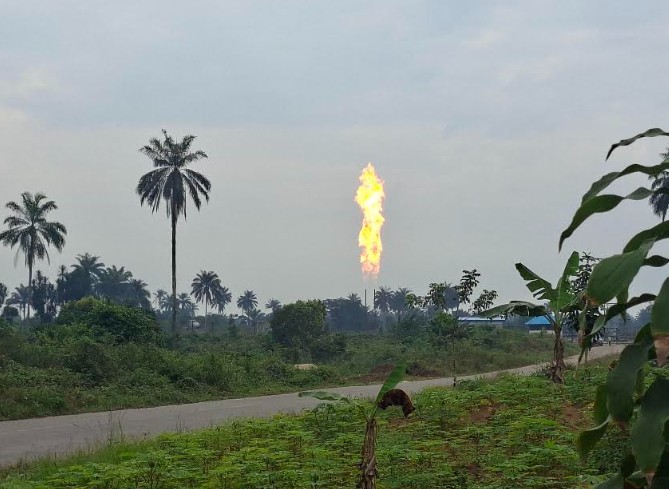
Gas Flaring Devastates Akwa Ibom Oil Communities
Seplat Energy Partners to End Gas Flaring in Nigeria, Commits to Environmental Stewardship
Get Plus234Feed on messaging apps
Same headlines, delivered where you already scroll.


