

Nigeria's Dilemma: Build Refineries or Maintain Imports

The article discusses Nigeria's pressing need to choose between developing local refineries and maintaining a system that favors rent-seeking intermediaries. The current fuel economy is unstable, characterized by sudden price increases and supply disruptions, leading to public anger and inflation.
Nigeria, despite being a crude oil producer, relies heavily on fuel imports, which drain foreign exchange reserves and exacerbate economic challenges. The inefficiencies in the supply chain, including delays and high costs, benefit intermediaries while harming consumers.
The Dangote refinery is highlighted as a potential game-changer that could reduce imports and streamline the supply chain. However, the article emphasizes that the federal government must establish clear policies to encourage local refining and reduce reliance on imports.
The lack of transparency and consistent regulations creates risks and entrenches existing interests, making it crucial for the government to align incentives and support local production to stabilize the economy.
Plus234Feed summary based on reporting from This Day. Read the original report below.
Read full article
Continue on This Day
Get the week in one email
Top stories, NPFL results, the naira — every Friday morning. Free, one email a week.
Related Stories
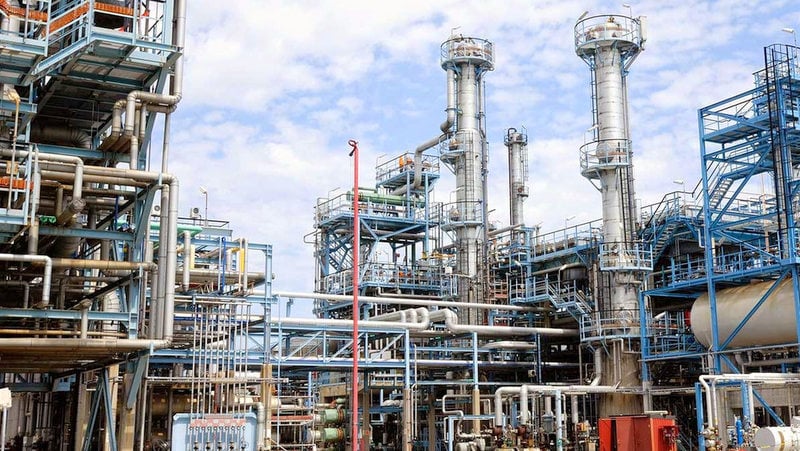
Nigerian Refiners Seek to Reduce Petrol Imports, Increase Local Production
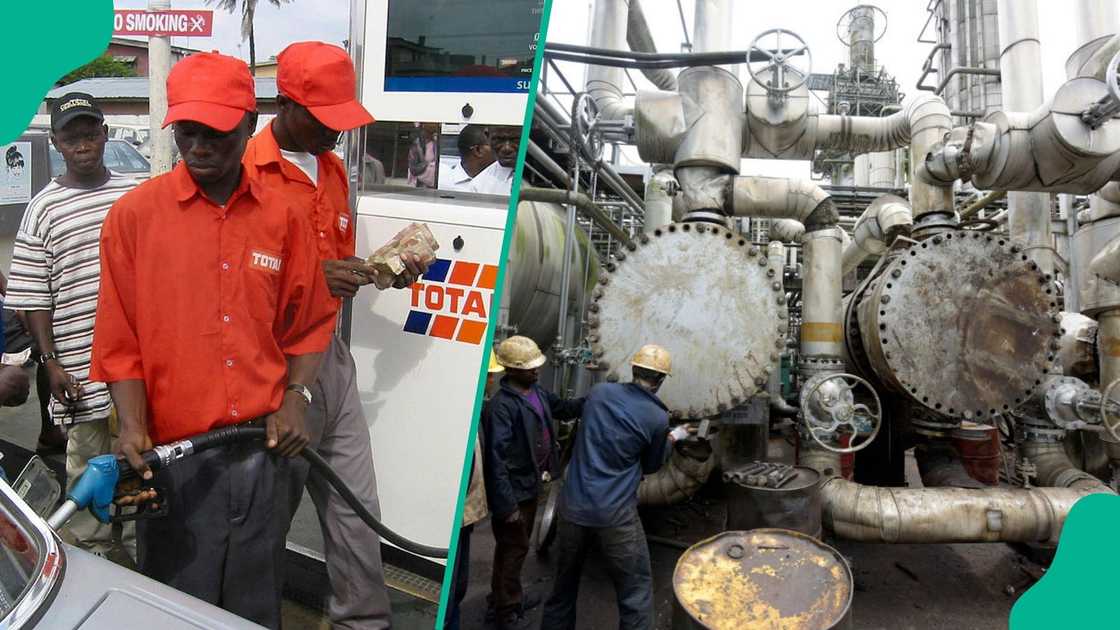
Nigerian Refineries Seek Govt Support to End Petrol Imports by 2026
Dangote Refinery's Impact: Nigeria Shifts from Petroleum Imports to Local Production
Nigerian Depot Owners Fear Investment Uncertainty
Nigeria's Oil Import Crisis Amidst Refining Capacity
Nigerian Experts Reject World Bank's Fuel Import Advice
Get Plus234Feed on messaging apps
Same headlines, delivered where you already scroll.


