

Nigerians Can Sell Excess Solar Power to National Grid

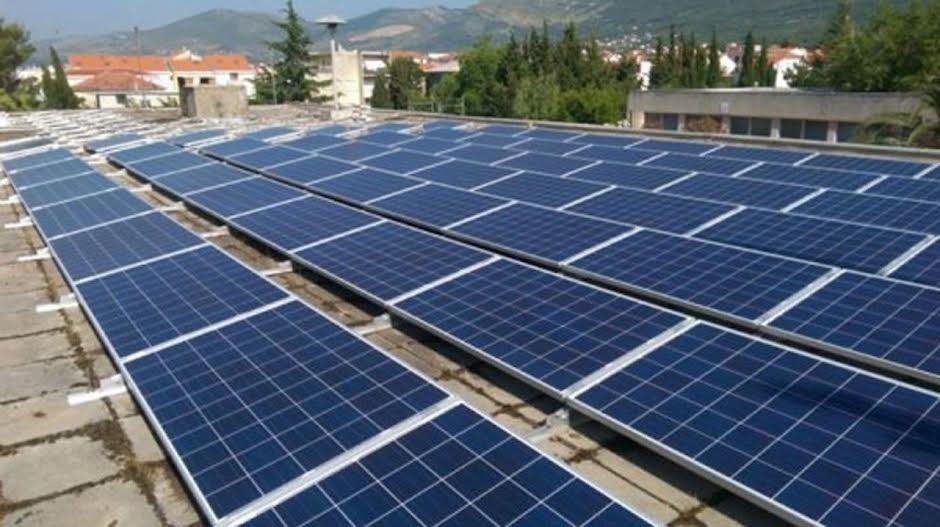
The Nigerian Electricity Regulatory Commission (NERC) has announced a new net billing regulation that will allow electricity consumers to sell excess solar power back to the national grid, effective from 2026. This policy framework aims to expand the use of renewable energy, improve electricity reliability, and encourage private investment in power generation.
Eligible electricity users, referred to as prosumers, can install solar photovoltaic systems for their own consumption and export surplus energy to the distribution network. The regulation establishes a net billing arrangement, promoting the adoption of renewable energy technologies and enhancing energy security.
Participants must sign a net billing agreement and register with NERC, obtaining approval from their electricity distributor. The installation capacity for these systems ranges from 50 kilowatt peak (kWp) to 1.5 megawatt peak (MWp).
Users will be equipped with bidirectional meters to measure electricity consumption and exports, with exported energy credited according to an approved export tariff. This initiative is expected to accelerate the adoption of rooftop solar systems in Nigeria.
Plus234Feed summary based on reporting from Punch Newspapers. Read the original report below.
Read full article
Continue on Punch Newspapers
Get the week in one email
Top stories, NPFL results, the naira — every Friday morning. Free, one email a week.
Related Stories

NERC Launches Net Billing for Excess Solar Power Sales
Nigeria's New Solar Policy Faces Infrastructure Challenges
Nigerians Need 200 Solar Panels to Sell Electricity

New Mini-Grid Rules to Enhance Nigeria's Renewable Energy
NRS Secures Permit for Captive Power Plant in Abuja

Nigeria Boosts Solar Manufacturing Capacity to 300MW
Get Plus234Feed on messaging apps
Same headlines, delivered where you already scroll.


